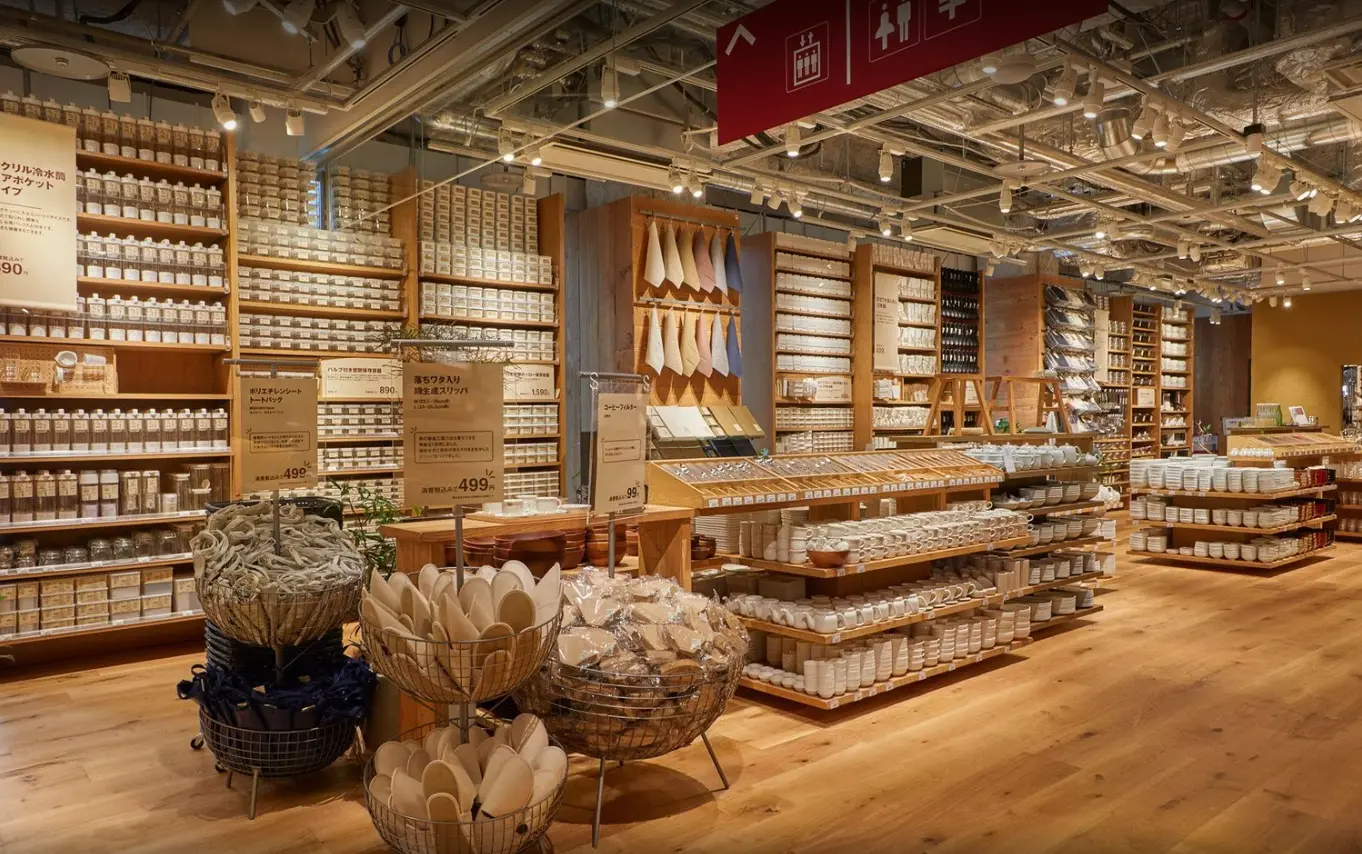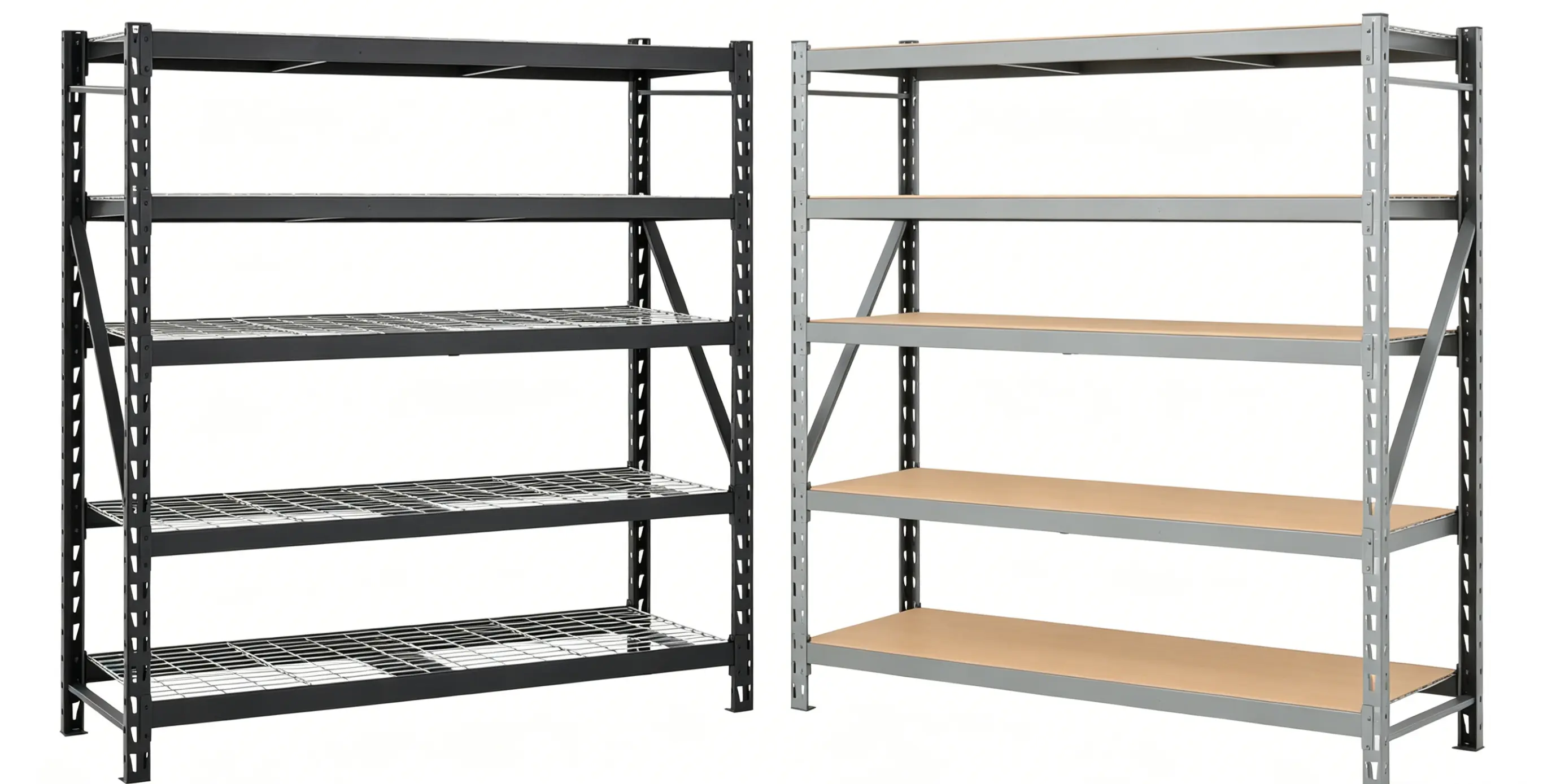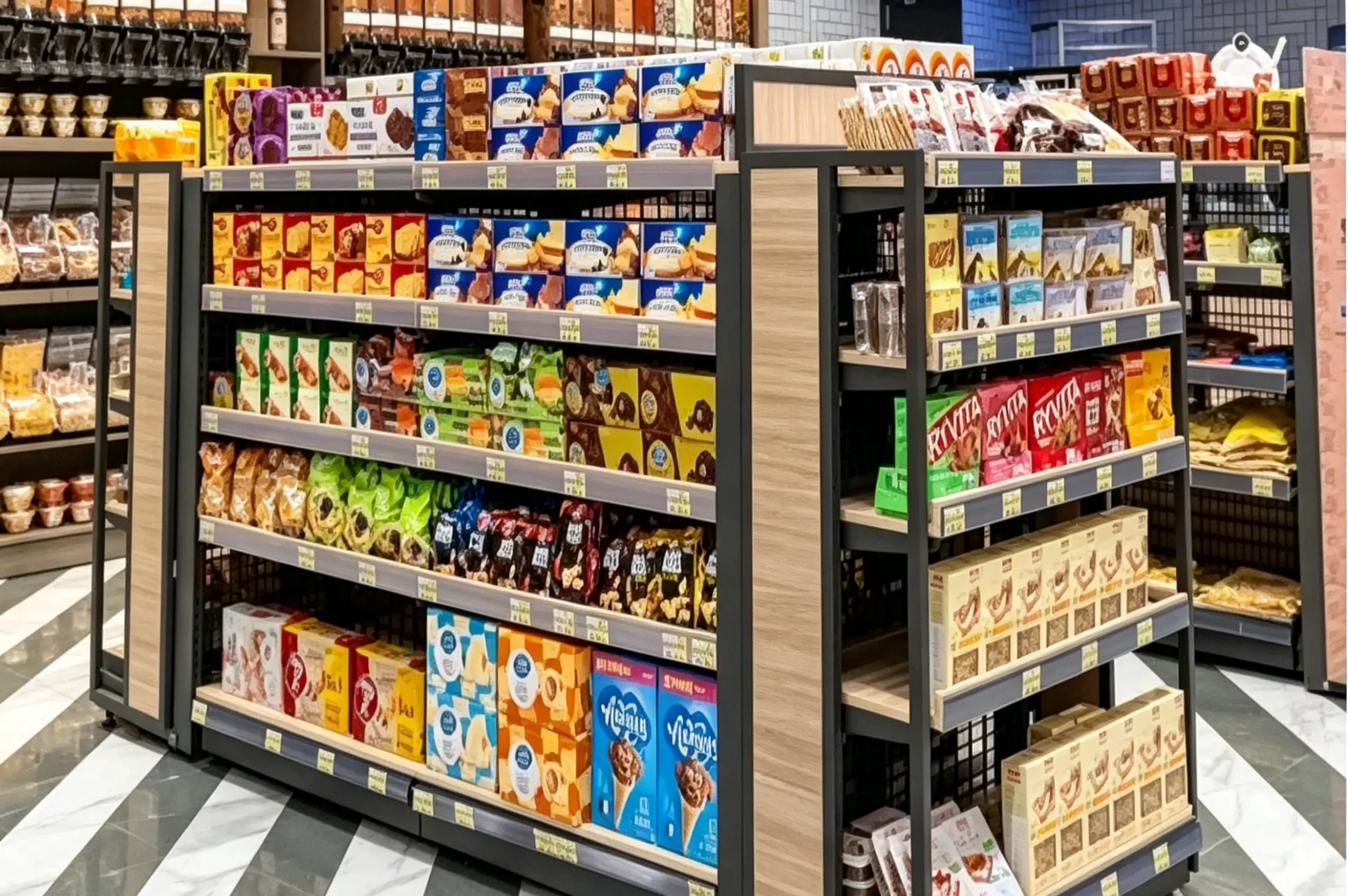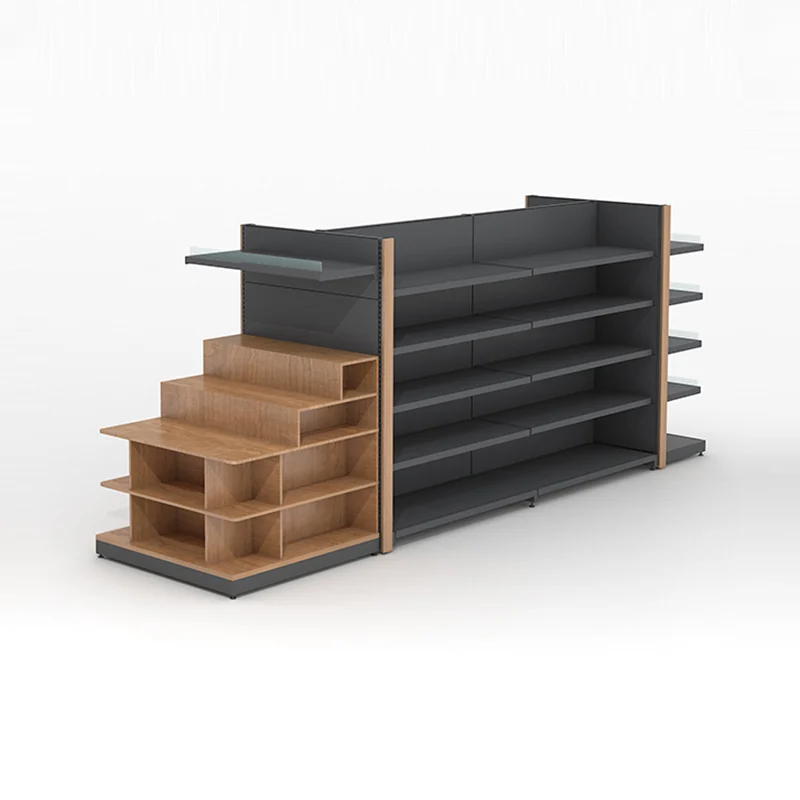
Many supermarkets lose sales because of poor store layout, crowded aisles, and low product visibility. Even with good products, customers may leave quickly if the shopping experience feels confusing or uncomfortable. High-quality grocery store shelves help solve these problems by improving traffic flow, organizing products better, and making the store easier to navigate.
Today, modern retailers use more than simple shelving. They use smart grocery store shelving systems, including gondola grocery store shelving, end cap displays, and modular layouts, to guide customer movement and increase impulse purchases. A well-designed layout can also improve restocking efficiency and maximize sales per square foot.
Whether you operate a supermarket, convenience store, or small grocery shop, choosing the right shelves for grocery store layouts is now an important part of retail success. In this guide, you will learn how to optimize your store layout using durable grocery store display shelves, improve customer experience, and create a more efficient retail space with modern gondola shelving solutions.
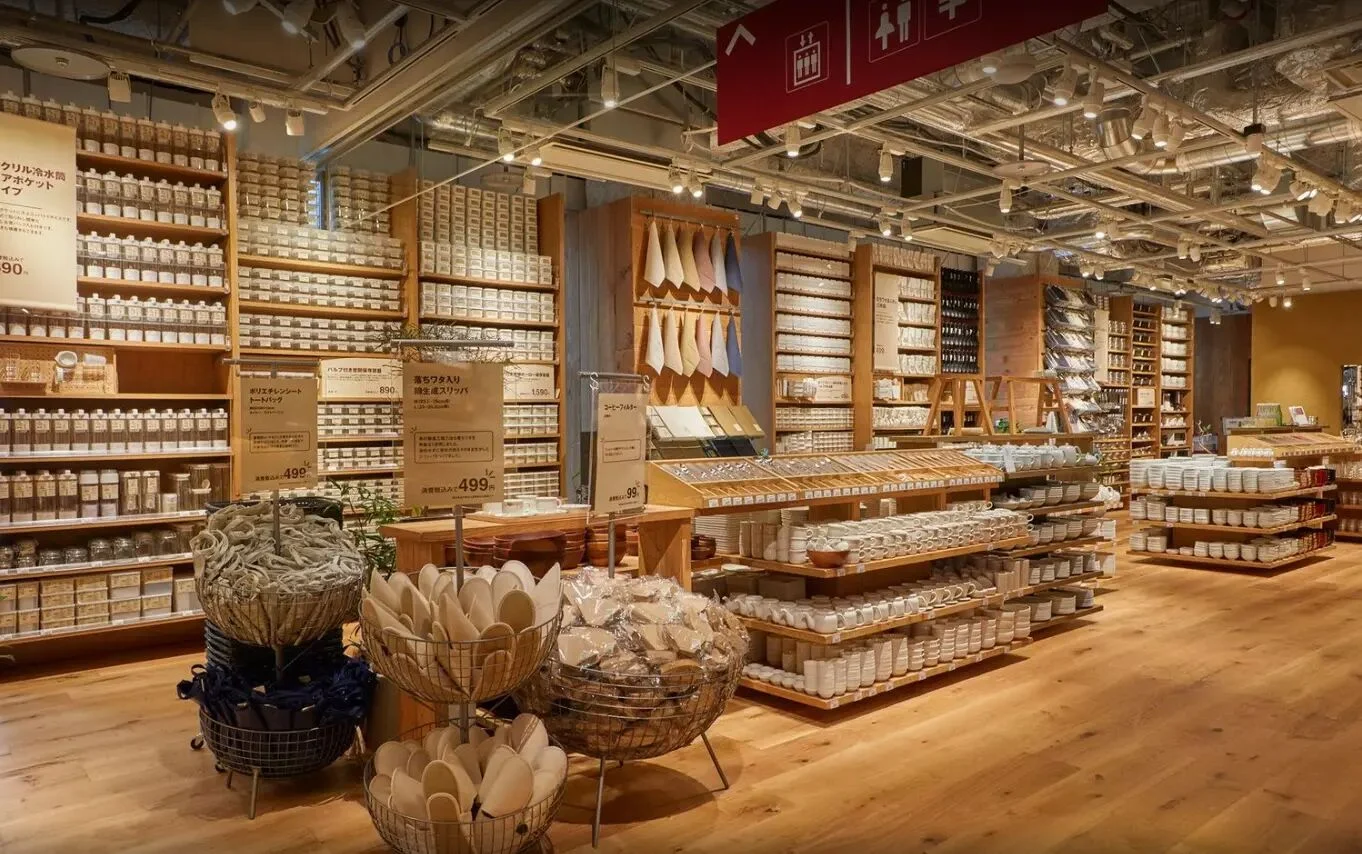
Key Takeaways
- High-quality grocery store shelves improve customer flow and product visibility.
- Gondola shelving helps supermarkets maximize retail space and organize products efficiently.
- End cap displays can increase impulse purchases and promotional sales.
- A smart grocery store layout improves shopping experience and restocking efficiency.
- Modular shelving systems offer more flexibility for modern retail stores.
Why Grocery Store Shelves Matter in Retail Layout Design
High-quality grocery store shelves shape how customers move through the store, what they notice first, and how long they stay inside. A smart shelving layout can improve customer experience and increase sales at the same time.
Today, many retailers use modern grocery store shelving systems to create cleaner aisles, better product visibility, and more efficient store operations.
How Shelving Affects Customer Behavior
Customers make many buying decisions while walking through the store. Studies show that product placement and shelf visibility strongly affect what shoppers buy. Eye-level shelves often receive the most attention because products are easier to see and reach.
For example:
- High-margin products are usually placed at eye level.
- Small impulse items are displayed near checkout counters.
- Essential products are often placed deeper inside the store to increase aisle traffic.
Well-organized grocery store display shelves also reduce customer stress. Shoppers can quickly find products, move through aisles more easily, and enjoy a smoother shopping experience.
The Connection Between Shelf Layout and Sales
Store layout directly affects retail performance. Poor shelf placement can reduce visibility and limit product exposure. On the other hand, optimized gondola grocery store shelving can increase customer interaction and improve basket size.
Modern retailers focus on:
- Maximizing sales per square foot
- Improving customer traffic flow
- Increasing impulse purchases
- Creating better product organization
Many purchase decisions happen inside the store, not before customers arrive. This makes shelf layout and product placement extremely important for supermarkets and convenience stores.
Common Problems Caused by Poor Grocery Store Shelving
Old or poorly planned shelving systems can create several operational problems.
Common problems include:
- Narrow and crowded aisles
- Poor product visibility
- Difficult restocking processes
- Dead zones with low customer traffic
- Confusing store navigation
Customers also dislike shelves that are too high or difficult to access. A poor layout can make shopping uncomfortable and reduce repeat visits.
Why Modern Gondola Shelving Is a Better Solution
Modern gondola shelving systems are flexible, durable, and easy to customize. Retailers can adjust shelf height, add end cap displays, and reorganize aisles based on seasonal products or customer behavior.
Benefits of modern gondola display shelving include:
- Better use of vertical space
- Cleaner product presentation
- Flexible store layout adjustments
- Easier inventory management
- Improved customer flow
Because of these advantages, many retailers now prefer modular grocery store racks and adjustable shelving systems for both large supermarkets and small grocery store layout designs.
Choosing the Right Grocery Store Shelving System
Different shelving types affect customer flow, product visibility, and space efficiency. A good shelving system should also support daily operations like restocking, cleaning, and inventory management.
Today, many supermarkets use flexible gondola shelving systems because they are durable, adjustable, and easy to customize for different store layouts.
Grocery Store Gondola Shelving
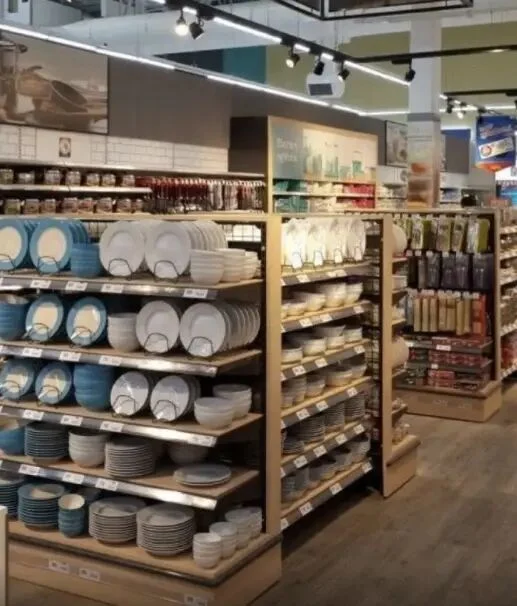
Grocery store gondola shelving is one of the most common shelving solutions in supermarkets and convenience stores. These shelving units usually have a strong metal frame with adjustable shelves. Retailers can easily change shelf height and product arrangement based on inventory needs.
Benefits of gondola grocery store shelving include:
- Better use of vertical space
- Flexible shelf adjustment
- Strong product support
- Easy aisle organization
- Improved customer navigation
Double-sided gondola shelves are often placed in the center of the store to create aisles. Wall gondola shelving is usually installed along store walls to maximize display space.
Because of their flexibility, gondola shelves work well for:
- Supermarkets
- Grocery stores
- Convenience stores
- Retail chains
- Small local shops
End Cap Gondola Shelving for Promotions
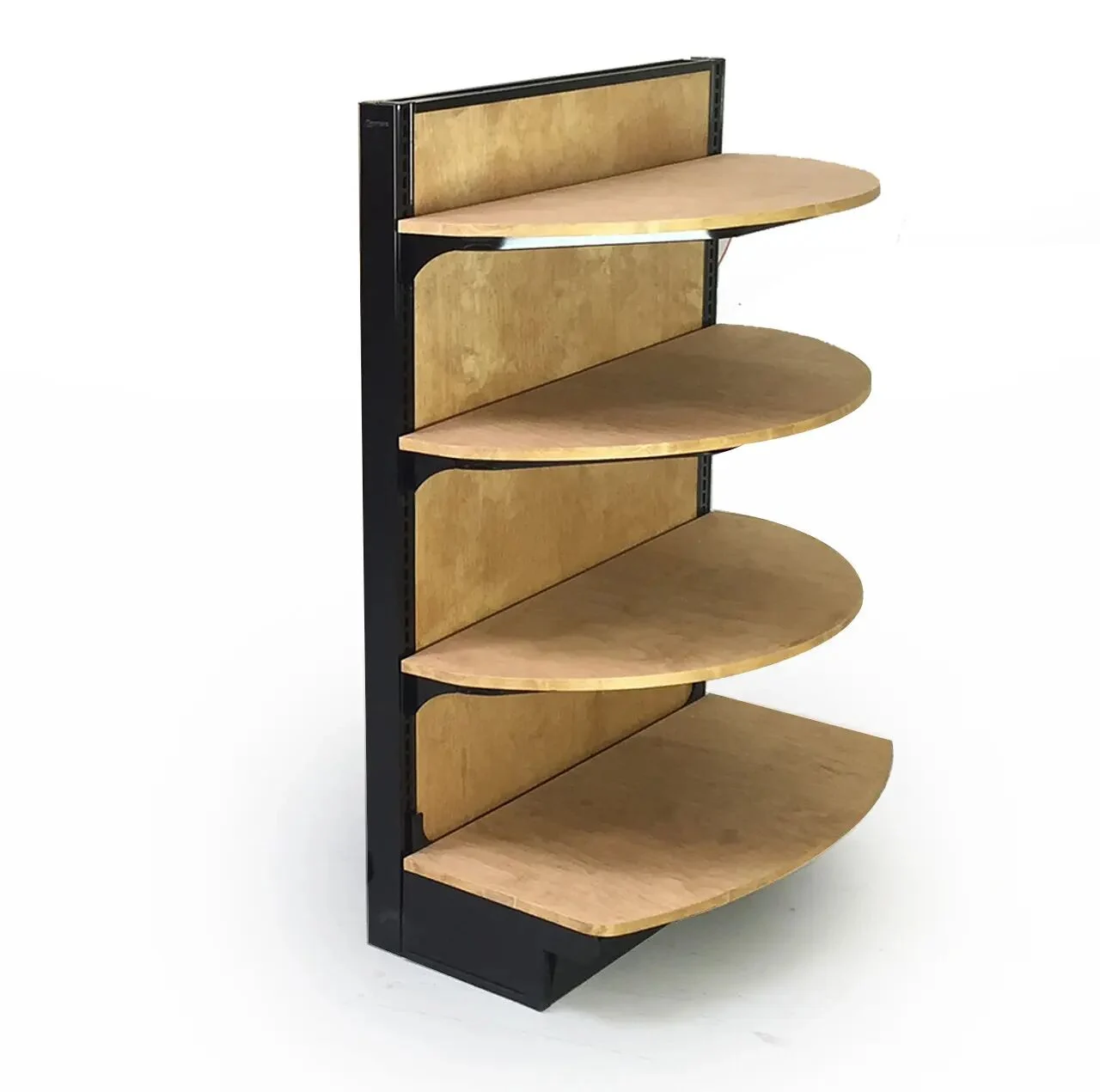
End cap displays are located at the end of gondola aisles. These areas receive high customer attention because shoppers naturally see them while moving through the store. Many retailers use end cap gondola shelving for promotional products and seasonal items.
Common products displayed on end caps include:
- Snacks and drinks
- Holiday products
- Discount items
- New arrivals
- High-margin products
Well-designed gondola display shelving can increase impulse purchases and improve promotional visibility. Many supermarkets rotate end cap products regularly to keep displays fresh and attract repeat customers.
Island Gondola and Wall Gondola Layouts
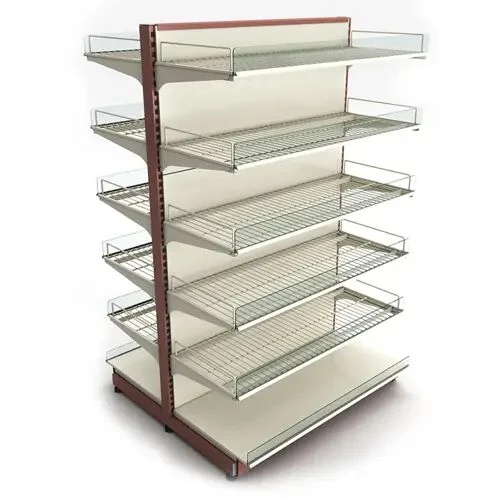
Different store layouts require different shelving arrangements. Two common options are island gondolas and wall gondolas.
Island Gondola Shelving
Island gondolas are placed in the middle of the sales floor. They help create organized aisles and guide customer movement through the store.
Advantages include:
- Efficient aisle creation
- Better product organization
- Increased display capacity
- Flexible traffic flow design
Wall Gondola Shelving
Wall gondola shelves are installed along store walls. They are useful for maximizing vertical display space and creating cleaner store layouts.
Combining wall gondolas with center aisle shelving creates a more balanced and organized retail environment.
Store Counters and Checkout Areas
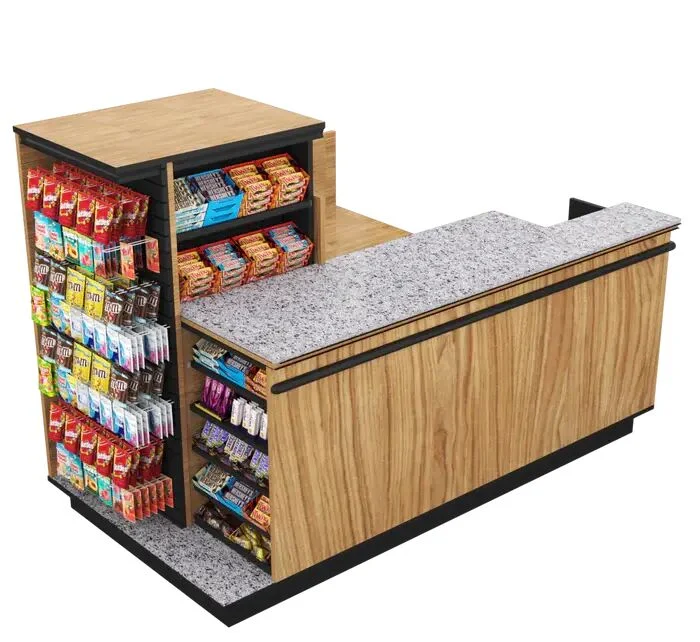
A well-designed store counter or retail counter can improve customer experience and increase last-minute sales.
Many supermarkets place small products near the transaction counter, such as:
- Candy
- Gum
- Batteries
- Travel-size products
- Small household items
This strategy encourages impulse buying while customers wait in line. At the same time, the checkout area should remain clean and easy to navigate.
Modern retailers also use compact grocery store display racks near checkout areas to maximize small retail spaces without creating congestion.
Factors to Consider When Choosing Grocery Store Shelves
Before choosing a shelving system, retailers should evaluate several important factors.
Key considerations include:
- Store size and layout
- Product categories
- Shelf weight capacity
- Customer traffic flow
- Flexibility for future layout changes
- Durability and maintenance needs
High-quality grocery store racks and modular shelving systems can help retailers adapt more easily to changing product displays and seasonal merchandising needs.
How to Design an Efficient Grocery Store Layout
A good grocery store layout helps customers shop more easily and encourages them to spend more time inside the store. It also improves product visibility and makes daily operations more efficient. Modern retailers often combine smart floor planning with flexible grocery store shelves to create a better shopping experience.
Whether you operate a supermarket or a small convenience store, the right layout can improve customer flow and maximize retail space.
Use a Grid Layout for Better Store Organization
The grid layout is one of the most common designs for supermarkets. This layout uses parallel aisles with organized gondola shelving to guide customer movement through the store.
Benefits of a grid layout include:
- Better product organization
- Easier navigation
- Higher shelf capacity
- Efficient use of retail space
- Simpler inventory management
Many retailers place gondola grocery store shelving in the center of the store and use wall gondolas along the perimeter. This setup creates a clean and organized shopping environment.
Optimize Customer Traffic Flow
Poor aisle planning can create congestion and reduce shopping comfort. Wide aisles and clear product categories help customers move more naturally through the store.
Retailers often use grocery store display shelves to guide shoppers toward key product areas. High-demand products are usually placed deeper inside the store to increase overall traffic flow.
To improve customer movement:
- Keep major aisles open and clear
- Avoid overcrowded shelving
- Place promotional displays carefully
- Maintain clear store sightlines
- Use signs to guide customers
Improve Product Placement Strategies
Product placement has a direct effect on customer behavior and sales. Stores should arrange products based on visibility, demand, and customer shopping habits.
Common placement strategies include:
- Eye-level shelves for high-margin products
- Essential products placed deeper inside the store
- Fast-moving items placed in easy-access areas
- Impulse products displayed near checkout counters
Many retailers also use end cap gondola shelving for seasonal promotions and discounted products. These displays attract customer attention because they are located at the end of aisles.
Design a Better Small Grocery Store Layout
Small stores need to use every square foot efficiently. A compact layout should still feel open and comfortable for customers.
For effective small grocery store layout design, retailers often use:
- Wall gondola shelving
- Narrow but organized aisles
- Vertical display systems
- Modular shelving units
- Compact checkout counters
Using flexible shelves for grocery store layouts allows small retailers to adjust displays based on seasonal products and inventory changes.
Maximize Space With Vertical Shelving
Vertical space is often underused in retail stores. Modern gondola shelving systems help retailers increase display capacity without expanding floor space.
Benefits of vertical shelving include:
- More product display space
- Better organization
- Cleaner store appearance
- Improved stock visibility
However, shelves should not be too high. Customers should still be able to reach products comfortably. Balanced shelf height improves both convenience and store appearance.
Keep the Checkout Area Efficient
Modern supermarkets often use:
- Compact retail counters
- Organized transaction counters
- Small display racks near checkout
- Queue management systems
Many stores also place impulse products near checkout areas to increase last-minute purchases. A clean and efficient checkout zone creates a smoother shopping experience for customers.
Best Practices for Modern Grocery Store Shelving in 2026
Customers now expect cleaner layouts, faster shopping experiences, and better product organization. Because of this, modern retailers are investing in smarter grocery store shelving systems that improve both store operations and customer satisfaction.
Today, flexible gondola shelving and modular retail fixtures are becoming standard solutions for supermarkets and convenience stores. These systems help stores adapt to changing inventory, seasonal promotions, and customer shopping behavior.
Use Modular and Adjustable Shelving Systems
Modern retailers need flexibility. Product categories change throughout the year, and stores often update layouts for promotions and seasonal displays.
Benefits of modular shelving include:
- Adjustable shelf height
- Easier store layout changes
- Faster product reorganization
- Better use of retail space
- Lower long-term maintenance costs
Many supermarkets now prefer adjustable gondola grocery store shelving because it supports different product sizes and packaging types. Retailers can quickly change displays without replacing the entire shelving system.
This flexibility is especially useful for:
- Seasonal products
- Promotional displays
- New product launches
- Fast-changing inventory
Focus on Clean and Modern Store Design
Modern grocery stores are moving toward cleaner and more organized layouts. Customers prefer stores that feel open, bright, and easy to navigate.
Popular retail shelving trends in 2026 include:
- Minimalist shelf designs
- Neutral color shelving
- Better lighting integration
- Clear category signage
- Open aisle layouts
Many retailers also combine gondola display shelving with digital signs and branded displays to improve the shopping experience. A cleaner layout helps products stand out more clearly and improves overall store appearance.
Maximize Space With Vertical Display Solutions
Retail space is becoming more expensive in many markets. Because of this, supermarkets are using vertical shelving systems to display more products without increasing floor space.
Modern grocery store racks and wall gondola systems help retailers:
- Increase product capacity
- Improve inventory visibility
- Keep aisles organized
- Reduce floor congestion
However, shelves should still remain customer-friendly. Products should be easy to reach and clearly visible. A balanced shelving height creates a better shopping experience.
Many stores now combine:
- Wall gondola shelving
- Island gondolas
- End cap displays
- Compact checkout displays
This combination creates a more efficient and visually balanced retail environment.
Improve Merchandising With Data and Planograms
Modern retailers increasingly use sales data and customer behavior analysis to improve shelf layouts. Planograms help stores organize products more effectively based on sales performance and shopper habits.
Retailers use planograms to:
- Improve product visibility
- Increase impulse purchases
- Optimize shelf spacing
- Reduce empty shelf areas
- Improve category organization
For example, fast-selling products are often placed in high-traffic areas, while promotional products are displayed on end cap gondola shelving for better visibility.
Data-driven merchandising also helps stores respond more quickly to customer demand and seasonal shopping trends.
Choose Durable Shelving From a Reliable Manufacturer
Durability is another important factor when selecting grocery store shelving systems. Poor-quality shelves may bend, rust, or wear out quickly, especially in high-traffic supermarkets.
A reliable gondola shelving manufacturer can provide:
- Strong and durable materials
- Custom shelving solutions
- Flexible layout support
- Long-term maintenance value
- Professional store fixture advice
Many retailers now work with experienced shelving suppliers to create customized store layouts that match their product categories and customer traffic patterns.
FAQ: Grocery Store Shelves and Layout Optimization
What type of shelving is best for grocery stores?
Gondola shelving is the most popular choice for grocery stores because it is durable, adjustable, and space-efficient. It works well for supermarkets, convenience stores, and small retail shops.
What is gondola shelving used for in supermarkets?
Gondola grocery store shelving is commonly used to create store aisles and organize products. It is ideal for displaying packaged foods, beverages, household goods, and promotional items.
How can small grocery stores maximize limited space?
Small stores can use wall gondola shelving, vertical displays, and compact aisle layouts to save space. Modular shelving systems also make layout adjustments easier.
Why are end cap displays important in grocery stores?
End cap gondola shelving attracts customer attention because it sits at the end of aisles. Retailers often use these displays for promotions, seasonal products, and impulse items.
What should retailers consider when choosing grocery store shelving?
Retailers should consider store size, product categories, shelf durability, layout flexibility, and customer traffic flow before choosing a shelving system.
Conclusion
Optimizing your layout with high-quality grocery store shelves can improve both customer experience and store performance. A smart shelving system helps retailers organize products more efficiently, improve customer flow, and maximize retail space. From gondola shelving and end cap displays to modular store layouts, every detail plays an important role in modern retail success.
As supermarkets and convenience stores continue to evolve in 2026, flexible and durable grocery store shelving solutions are becoming more important than ever. Retailers need shelving systems that not only look professional but also support daily operations and changing merchandising needs.
With years of manufacturing experience, DAHO provides reliable and flexible shelving solutions designed for different store layouts and retail environments.
If you are looking for durable grocery store gondola shelving or customized retail display solutions for your next project, contact us to help you create a more efficient and modern retail space.