
Local Specialties Store Design
The local specialties store layout you choose directly impacts tourist and local customer experience, product promotion efficiency, and ultimately, your bottom line. A thoughtfully designed local specialties store creates easy‑to‑follow shopping paths, highlights regional characteristic products vividly, and reflects your brand identity. In today’s tourism‑driven retail landscape, strategic local specialties store design isn’t just about aesthetics—it’s a crucial business investment that influences how customers interact with your products and space.
Inspirations
Local Specialties Store Design Ideas
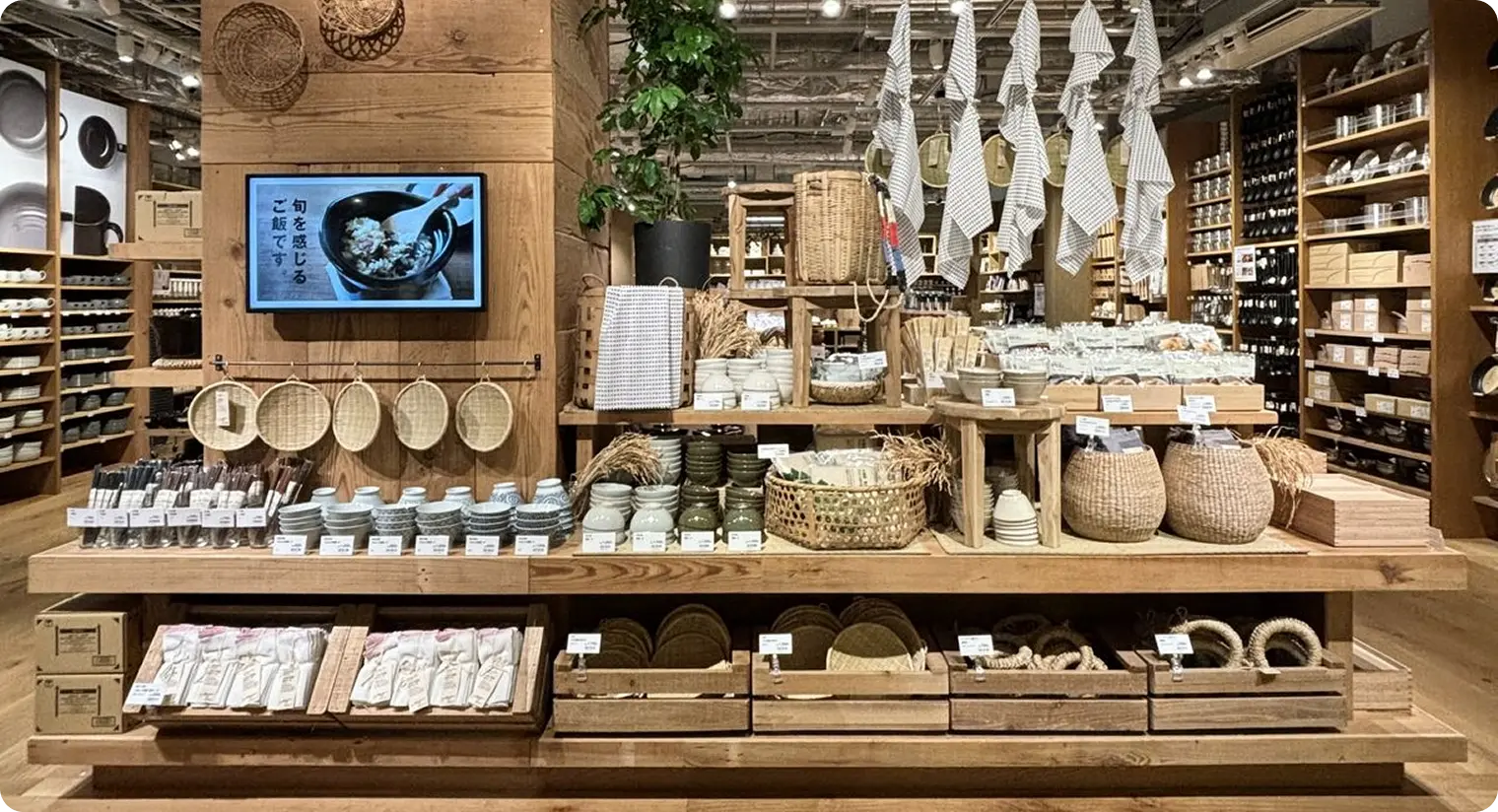
Contemporary local specialties store interior design adopts cultural‑themed open layouts, warm ambient lighting, natural local‑style materials, and cultural display technology integration. Popular concepts include characteristic product zones, tasting experience areas, and regional‑style shopping atmospheres that spread local culture through targeted layout planning.
Get One-stop Solution for Your Local Specialties Store Design!
101 Guides
What Makes Local Specialties Store Designs Effective
Characteristic display design shows regional featured products, inheriting local culture and customs.
Cultural‑Style Inviting Entrance
Decorate the storefront with regional elements such as local patterns and characteristic signs. Open‑view windows display representative local snacks, handicrafts and souvenirs to attract tourists.
Experience‑Oriented Traffic Flow
Guide customers from cultural display areas to food zones and souvenir sections. Set tasting corners along shopping paths to increase interaction and purchase willingness.
Temperature‑Controlled Department Positioning
Place perishable local food near cooling equipment. Handicrafts and cultural souvenirs are arranged in central areas to highlight regional features.
Warm Cultural Lighting
Use warm soft lighting to enhance the traditional atmosphere. Focus lights on featured specialties to highlight product features and local cultural sense.
Safe Flexible Display Fixtures
Use sealed display cases for food products and sturdy racks for handicrafts. Adjustable shelves support seasonal regional‑product updates.
Hygienic Easy‑Clean Surfaces
Adopt water‑proof, oil‑proof countertops for food areas. Smooth materials ensure hygiene and convenience for tourists’ quick shopping.
All-in-One Solution
DAHO Offers One-stop Local Specialties Store Design Solution
DAHO delivers complete local specialties store design solutions blending smart planning, durable shelving, and modern aesthetics. We create efficient layouts that optimize customer flow, enhance product visibility, and maximize retail sales.

Display fixture structure
Modular display shelves and showcase cabinets neatly exhibit local goods, allowing customers to browse and pick conveniently.
Colors
Natural and classic color choices plus custom tones, echoing regional style and unique store charm.
Materials
Sturdy food-safe wood, metal and glass materials, stable and hygienic for specialty product display.
Sizes
Customized sizes fit shop spaces of different areas, adapting to small stores and specialty exhibition halls.
Logo Printing
Custom logo printing strengthens local brand impression and unifies in-store visual style.
Brand Packaging
Characteristic customized packaging highlights regional features and promotes premium shopping experience.
Products
Elements You Need for Local Specialties Store Display

Display Table

Wall Display

Display Cabinet

Custom Display Racks

Slatwall

POP Display
Seamless Workflow
Local Specialties Store Design Tips
Even with limited space or budget, a well-executed local specialty shop design can show regional features, present distinctive goods, and deepen cultural impression. Here are some simple yet effective tips:
Prioritize Local Identity: Decorate the store with local elements (e.g., regional patterns, photos of local landmarks) to highlight the store’s focus. Use signage that emphasizes “local” and “handmade” to attract customers.
Categorize by Specialty Type: Divide the store into zones by specialty type (e.g., local food, handmade crafts, regional souvenirs, traditional products). Use clear, rustic signage to guide customers.
Showcase Product Stories: Add small signs near each product to share its story (e.g., “made by local artisans in X village” or “using traditional recipes passed down for generations”). This builds emotional connection with customers.
Maximize Display Appeal: Use rustic display fixtures (e.g., wooden shelves, woven baskets) to match the local, artisanal feel. Display products in an orderly yet inviting way, with some items arranged in eye-catching piles (e.g., local snacks).
Choose Warm, Inviting Lighting: Use soft, warm ambient lighting to create a cozy, welcoming atmosphere. Add focused lighting on featured local products or handmade items to draw attention.
Keep It Authentic and Tidy: Maintain a clutter-free space while keeping the display authentic (e.g., avoid overly modern fixtures that clash with local themes). Regularly restock products to ensure availability.
Incorporate Sampling Zones: Set up small sampling stations for local food products (e.g., jams, snacks, local beverages). This allows customers to taste products before buying, boosting sales and customer satisfaction.
Highlight Local Partnerships: Display photos or information about local artisans or producers near their products. This builds trust and encourages customers to support local businesses.
FAQs on Local Specialties Store Design
What is the key factor in convenience store design?
The most important factor is customer flow optimization. A well-planned layout guides shoppers naturally through high-traffic zones, improving product visibility and increasing impulse purchases.
How do I choose the right shelving layout for my store?
The choice depends on store size and product range. Most convenience stores use grid layouts with gondola shelving, as they maximize space efficiency and make products easy to locate and restock.
Why is modular shelving important in convenience stores?
Modular shelving allows flexible adjustments as product lines change. It helps store owners quickly reconfigure displays, improve merchandising, and adapt to seasonal or promotional needs.
How can store design increase sales?
A good design improves sales by placing high-demand items deeper in the store and impulse products near checkout areas. This encourages longer browsing time and more unplanned purchases.
What should be considered when planning store dimensions and fixtures?
Key factors include aisle width, product density, and accessibility. The layout should balance efficient space use with comfortable movement, ensuring both shoppers and staff can operate smoothly.
Work with DAHO to Optimize Your Store Display.
As a custom retail display manufacturer and supplier, we offer a full range of displays & fixtures with reliable quality to meet all retail requirements. Tell us your needs and our production and sourcing teams will provide you with the most cost-effective and efficient solution.