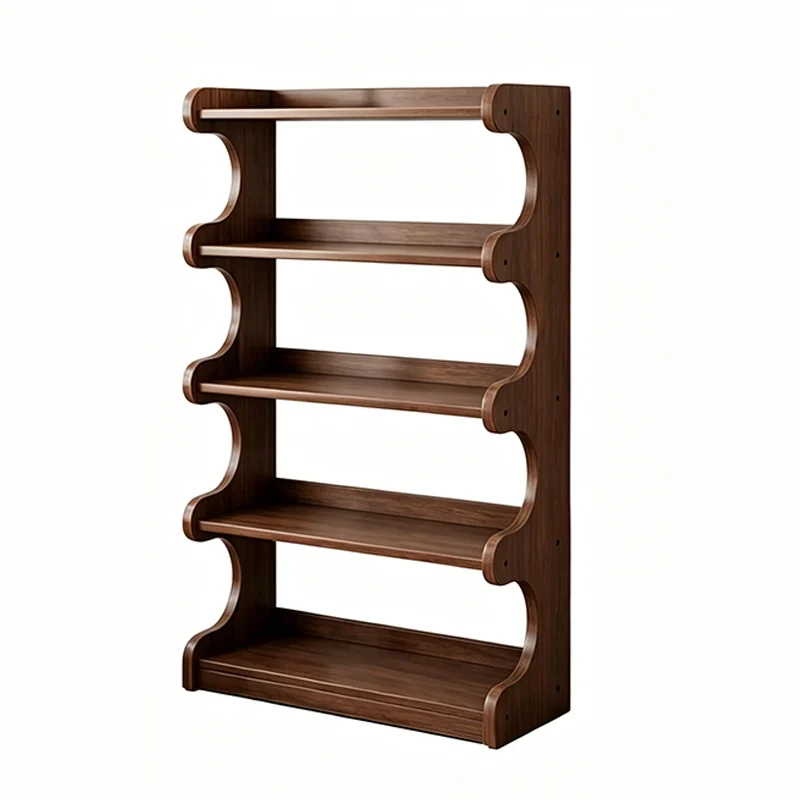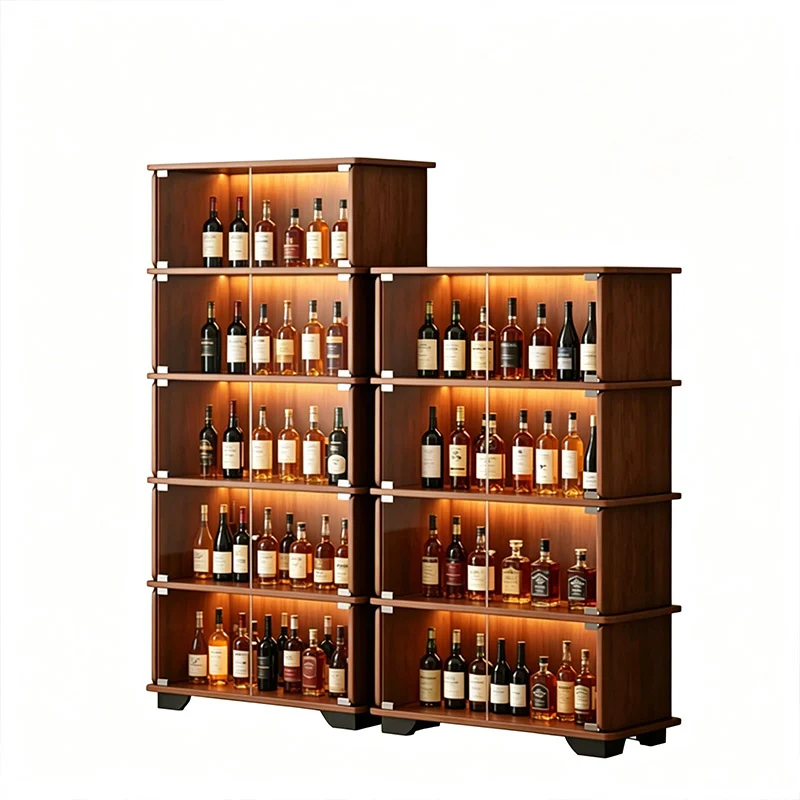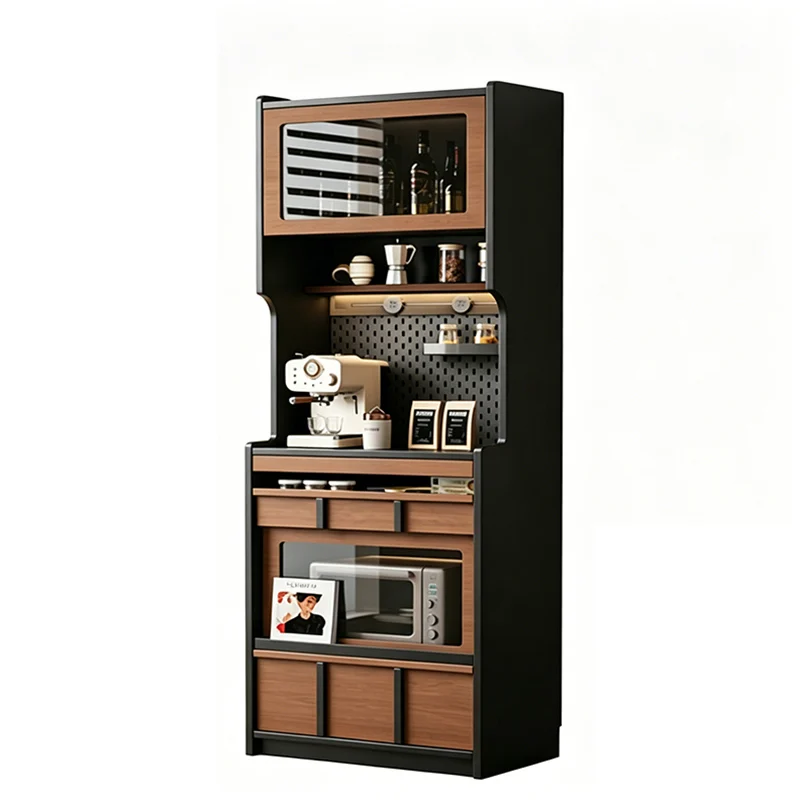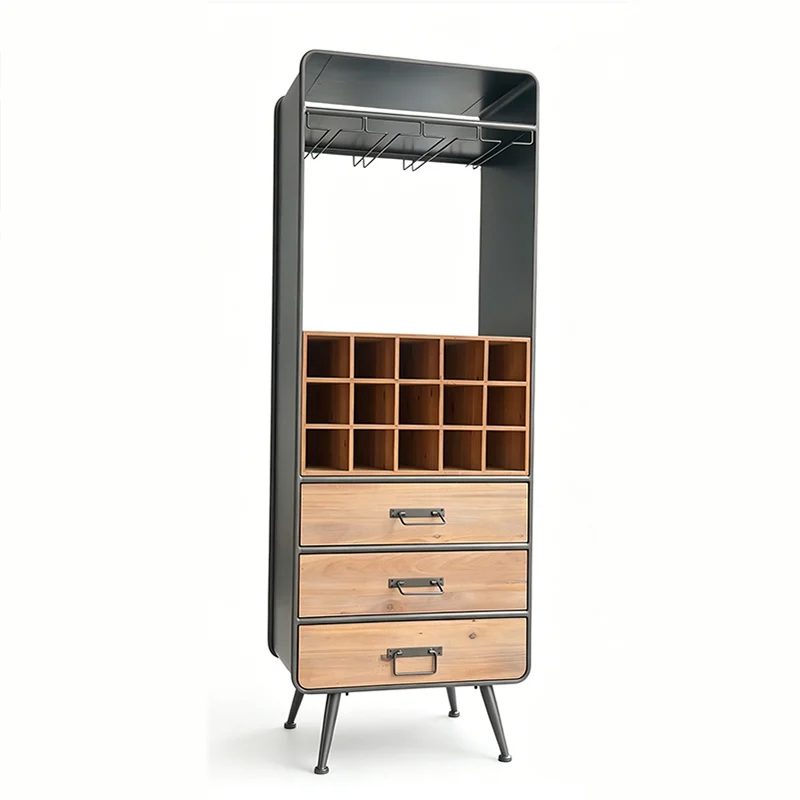

A retail store display rack can look strong, but still fail under real weight. This is a common problem in many retail stores. Shelves bend, crack, or collapse when load capacity is ignored.
Retail store display rack load capacity is the key factor that decides safety, stability, and long-term performance.
If the shelf thickness or structure is not designed correctly, even a small overload can cause serious damage. Products may fall, shelves may tilt, and stores may face safety risks.
Retailers today need more than just good-looking shelves. They need display systems that can handle real product weight every day. This includes proper steel thickness, strong brackets, and balanced load design.
In this guide, you will learn retail store display rack load capacity standards, key safety rules, and how to choose stable shelving for different store types.
Key Takeaways
- Retail store display rack load capacity typically ranges from 30–200kg per shelf, depending on structure and steel thickness.
- Load capacity is based on evenly distributed weight, not concentrated or point loading.
- Key factors affecting stability include steel thickness, shelf span, brackets, and upright frame design.
- Uneven loading and overloading are the main causes of shelf bending, deformation, and failure.
- Medium-duty systems (50–120kg per shelf) are the most common standard in retail stores.
- Proper installation and anchoring are critical to maintaining long-term safety and stability.
What Is Load Capacity in Retail Store Display Rack Systems?
Load capacity in a retail store display rack system refers to the maximum weight a shelf can safely hold without bending, deforming, or failing. It is a key safety and engineering standard used in retail shelving design.
In simple terms, it tells retailers how much product can be placed on each shelf or rack level while keeping the structure stable.
Retail store display rack load capacity is usually measured in three ways:
- Per shelf load (weight on a single shelf surface)
- Per bay load (total weight across one full rack section)
- Total system load (entire structure capacity)
Manufacturers calculate them using material strength, structure design, and load distribution rules.
One of the most important principles is uniform distributed load (UDL). This means weight must be spread evenly across the shelf surface. If weight is concentrated in one area, the real safe capacity becomes lower. Uneven loading is one of the most common causes of shelf bending in retail environments.
Several factors affect load capacity in a retail store display rack:
- Steel thickness and material grade
- Shelf span and depth
- Bracket strength and connection points
- Upright frame structure
- Installation quality and anchoring
Even small changes in design can significantly change performance. For example, a longer shelf span reduces strength, while thicker steel increases stability.
Retailers must also understand that load capacity is not just about how much weight fits. It is about long-term safety under daily use conditions. Over time, repeated stress can weaken weak structures and lead to deformation.
Therefore, choosing the right retail store display rack with proper load capacity is essential for product safety, store efficiency, and long-term structural stability.
Standard Load Capacity Ranges for Retail Store Display Racks
Retail store display rack systems are designed with clear load capacity levels. These levels help retailers choose the right shelving for different product weights and store environments. Load capacity is always based on evenly distributed weight across the shelf.
In real retail applications, most retail store display racks fall into three standard categories: light-duty, medium-duty, and heavy-duty systems.
Light-Duty Retail Store Display Racks (30–50 kg per shelf)
Light-duty retail store display rack systems are used for small and lightweight products. These include snacks, cosmetics, and small packaged goods.
They are commonly found in:
- Small retail shops
- Pharmacy displays
- Promotional product areas
These racks are cost-effective but not suitable for heavy goods.
Medium-Duty Retail Store Display Racks (50–120 kg per shelf)
Medium-duty systems are the most widely used standard in the retail industry. Most supermarket and convenience store setups rely on this range.
Retail store display rack systems in this category are suitable for:
- Packaged food
- Bottled drinks
- Household products
This range offers a good balance between strength, cost, and flexibility. Industry data shows that this is the most common load capacity range for retail shelving systems.
Heavy-Duty Retail Store Display Racks (120–200 kg+ per shelf)
Heavy-duty retail store display rack systems are designed for high-load and high-traffic environments. They provide stronger structural support and higher safety margins.
They are commonly used in:
- Bulk retail sections
- Warehouse-style stores
- Industrial product displays
Cold-rolled steel structures in this category can support up to 150–200 kg per shelf or more depending on configuration.
These systems require stronger brackets, reinforced uprights, and precise installation to ensure long-term safety.
Key Note on Real Load Performance
Although manufacturers provide rated load capacity, real performance depends on usage conditions. Factors such as shelf span, product placement, and installation quality can reduce actual safe load capacity.
Uneven loading or point loading can significantly lower the effective weight limit, even if the rated capacity is high.
Key Structural Factors That Affect Load Capacity
The load capacity of a retail store display rack is the result of multiple structural elements working together.
Retail store display rack strength is mainly determined by material quality, structural design, and load distribution efficiency.
Steel Thickness and Material Strength
Steel thickness is one of the most important factors. Thicker steel provides higher resistance to bending and deformation.
Retail store display rack systems made from cold-rolled steel are stronger and more stable under long-term load. Thin steel sheets may look similar, but they deform faster under pressure.
Shelf Span and Depth
Shelf span refers to the horizontal distance between support points. A longer span increases stress on the middle section of the shelf.
Retail store display rack systems with wide spans are more likely to bend under heavy products. Shorter spans improve stability and increase safe load capacity.
Shelf depth also plays a role. Deeper shelves can carry more weight, but only when properly supported.
Bracket Design and Support Structure
Brackets connect the shelf to the upright frame. They transfer weight from the shelf to the main structure.
Strong brackets improve stability and reduce bending risk. Weak or thin brackets are a common failure point in low-quality retail store display rack systems.
Proper locking design also improves safety by preventing movement under load.
Upright Frame Strength
The upright frame carries the full vertical load of the retail store display rack system.
Stronger uprights allow higher total system capacity. These frames distribute weight from each shelf down to the base structure.
Load Distribution Method
Retail store display rack load capacity is always based on evenly distributed weight.
Front-heavy or center-heavy stacking is one of the most common causes of structural failure in retail environments.
Installation and Anchoring Quality
Even a well-designed retail store display rack can fail if installation is poor.
Proper anchoring keeps the structure stable and prevents tilting.
Floor conditions and alignment also affect overall performance.
Safety Standards for Retail Store Display Rack Systems
Safety standards for a retail store display rack system are designed to ensure structural stability, user safety, and long-term performance in real retail environments. These standards define how much weight a shelf can carry and how the system should be tested and used.
Retail store display rack load ratings are based on engineering tests, material strength, and safety margins. Most systems are designed with a buffer to reduce the risk of failure under daily use conditions.
International Safety Standards and Guidelines
Many retail store display rack systems follow international engineering and safety frameworks. These include standards such as ISO, EN, and ANSI, which define how shelving systems should be tested and rated for load capacity.
These standards focus on:
- Structural strength testing
- Load distribution rules
- Stability under long-term use
- Safety factor requirements
Industry guidelines also require manufacturers to clearly define maximum safe load per shelf and per unit. This helps prevent misuse and overloading in retail environments.
Uniform Load vs Point Load Rules
A key safety rule in retail store display rack systems is the difference between uniform load and point load.
- Uniform load means weight is evenly spread across the shelf
- Point load means weight is concentrated in one area
All safety ratings are based on uniform load conditions. When weight is placed unevenly, the real safe capacity becomes lower.
Manufacturer Load Testing and Safety Factors
Retail store display rack manufacturers test shelving systems under controlled conditions before releasing them to the market. These tests include:
- Static load testing
- Long-term stress testing
- Frame stability testing
A safety factor is always applied. This means the actual breaking point of a shelf is higher than the rated load capacity. This buffer helps reduce risk in real-world retail use where conditions are not perfect.
Installation and Usage Compliance
Even when a retail store display rack is properly designed, safety still depends on correct installation and usage.
Key safety rules include:
- Proper anchoring to prevent tipping
- Correct assembly of brackets and shelves
- No mixing of incompatible parts
- Avoiding overloading beyond rated limits
Labeling and Load Identification
Modern retail store display rack systems are often required to show clear load capacity labels. These labels help store staff understand safe weight limits for each shelf.
How to Choose the Right Retail Store Display Rack for Your Store
Choosing the right retail store display rack is not only about design. It is mainly about load capacity, product weight, and structural safety.
A good retail store display rack should match your product type, store layout, and real load conditions, not just visual style.
Step 1: Identify Your Product Weight and Load Type
The first step is to understand what you will place on the retail store display rack.
Ask simple questions:
Are the products light, medium, or heavy?
Will weight be evenly spread or concentrated in one area?
Will products be stacked high or spread across shelves?
Heavy products like bottled drinks or bulk goods need stronger retail store display rack systems. Light products like cosmetics or snacks can use lighter shelving systems.
Step 2: Match Load Capacity to Store Type
Different stores need different retail store display rack strengths:
Small shops → light-duty racks (30–50 kg per shelf)
Supermarkets → medium-duty racks (50–120 kg per shelf)
Bulk retail or industrial stores → heavy-duty racks (120–200 kg+ per shelf)
Medium-duty systems are the most common choice because they balance cost and strength for daily retail use.
Step 3: Check Steel Thickness and Material Quality
Steel thickness is one of the most important factors in a retail store display rack system.
Thicker steel provides:
Higher load capacity
Better bending resistance
Longer service life
Cold-rolled steel is commonly used because it offers strong structure and stable long-term performance under repeated loading.
Step 4: Evaluate Shelf Span and Structure Design
Shelf span affects how weight is distributed across the retail store display rack.
Longer shelves create more stress in the middle area. This increases the risk of bending under heavy loads.
Key design factors include:
Shelf span length
Bracket support spacing
Upright frame strength
A well-designed structure reduces pressure points and improves stability.
Step 5: Choose the Right Bracket and Support System
Brackets transfer weight from the shelf to the main structure.
Strong brackets help:
Prevent shelf bending
Improve weight distribution
Increase safety under heavy load
More support points usually mean better stability.
Step 6: Consider Installation and Store Conditions
Even a strong retail store display rack can fail if installation is poor.
Important factors:
Proper anchoring to wall or floor
Level ground surface
Correct assembly of all parts
Step 7: Plan for Real Use
Manufacturers rate retail store display rack load capacity based on ideal conditions. In real stores, conditions are different.
Real usage includes:
Frequent restocking
Uneven product placement
Long-term stress over time
Because of this, it is safer to choose a rack with higher capacity than your actual need.
Maintenance Tips for Long-Term Shelf Stability
Retail store display rack systems need regular care to stay safe and stable. Dust, load stress, and daily use can all affect performance.
Proper maintenance helps extend the life of a retail store display rack and reduces risks like bending, rust, or structural failure.
Regular Cleaning to Prevent Damage
Cleaning is the first step in maintenance. Dust and dirt can build up on shelves and joints. Over time, this can affect coating quality and metal strength.
Use a soft cloth and mild cleaner. Avoid strong chemicals, as they can damage the surface.
A simple routine works best:
- Wipe shelves daily in high-traffic areas
- Do deeper cleaning weekly or monthly
- Always dry metal surfaces after cleaning
This helps prevent rust and surface wear in retail store display rack systems.
Check Load Distribution Frequently
Uneven weight is one of the main reasons for shelf deformation.
Make sure products are:
- Spread evenly across each shelf
- Not overloaded in one area
- Placed correctly based on shelf strength
Avoid placing all heavy items on one side or at the front edge. Balanced loading keeps the retail store display rack stable over time.
Inspect Brackets and Connections
Brackets and joints carry most of the structural stress.
Regular inspection should include:
- Tightening screws and bolts
- Checking bracket alignment
- Looking for bending or cracks
Even small looseness can grow into a bigger structural problem if ignored. This is especially important for high-load retail store display rack systems.
Prevent Rust and Surface Corrosion
Metal retail store display rack systems may develop rust in humid environments.
To prevent this:
- Keep racks dry after cleaning
- Use anti-rust coatings if needed
- Fix scratches quickly before corrosion spreads
Avoid Overloading Over Time
Even if a shelf is strong, repeated overloading reduces its lifespan. Long-term stress causes bending and permanent deformation.
To maintain stability:
- Follow rated load capacity
- Avoid stacking heavy goods on upper shelves
- Replace damaged shelves early
Perform Routine Structural Checks
A full inspection should be done regularly. This helps detect early signs of failure.
Check for:
- Shelf bending
- Frame tilt or instability
- Loose or missing parts
- Uneven floor contact
Early detection helps prevent serious damage and improves safety in daily retail use.
FAQ: Retail Store Display Rack Load Capacity Standards
What is the standard load capacity of a retail store display rack?
Most retail store display racks support 30–200 kg per shelf, depending on steel thickness, structure design, and load type. Medium-duty systems are most commonly used in retail stores.
What causes a retail store display rack to collapse?
The main causes are overloading, uneven weight distribution, weak structure, and poor installation. Long-term stress can also lead to deformation and failure.
How can I increase the load capacity of a retail store display rack?
You can improve capacity by using thicker steel, adding more brackets, reducing shelf span, and ensuring proper installation and anchoring.
Is load capacity based on real store conditions?
No. Load capacity is usually tested under evenly distributed static load. Real retail use may reduce safe capacity due to uneven loading or movement.
How often should retail store display racks be inspected?
It is recommended to inspect racks at least once a month. Check for loose parts, bending, rust, and uneven loading to ensure long-term safety.
Conclusion
Retail store display rack load capacity is a key factor that affects safety, stability, and long-term store performance. When load limits are ignored, shelves can bend, deform, or even collapse under daily retail pressure.
A safe retail store display rack depends on more than just strong materials. It also requires proper design, correct installation, and balanced load use. Steel thickness, bracket strength, and shelf span all work together to support weight in a stable way.
Most retail failures come from simple mistakes like overloading, uneven product placement, or poor maintenance. These issues are preventable when clear load standards are followed.
Choosing the right retail store display rack helps reduce risk, protect products, and improve store efficiency. It also ensures a safer shopping environment for customers and staff.
If you are planning a new store or upgrading your shelving system, DAHO can help you design custom retail store display rack solutions with the right load capacity for your products and space.
👉 Contact us today to get professional guidance and build safe, durable, and high-performance display rack systems for your retail business.