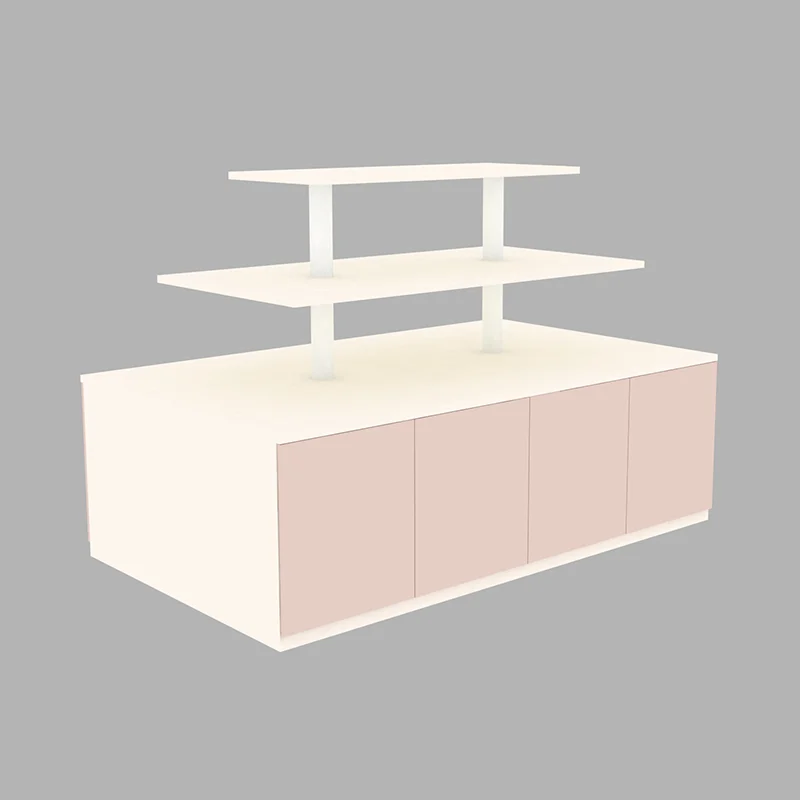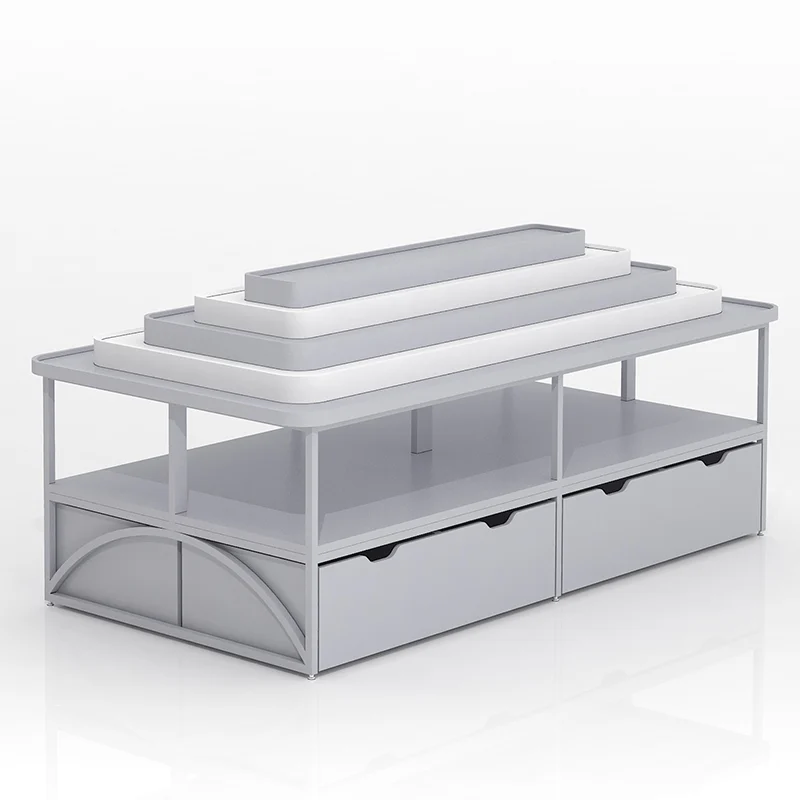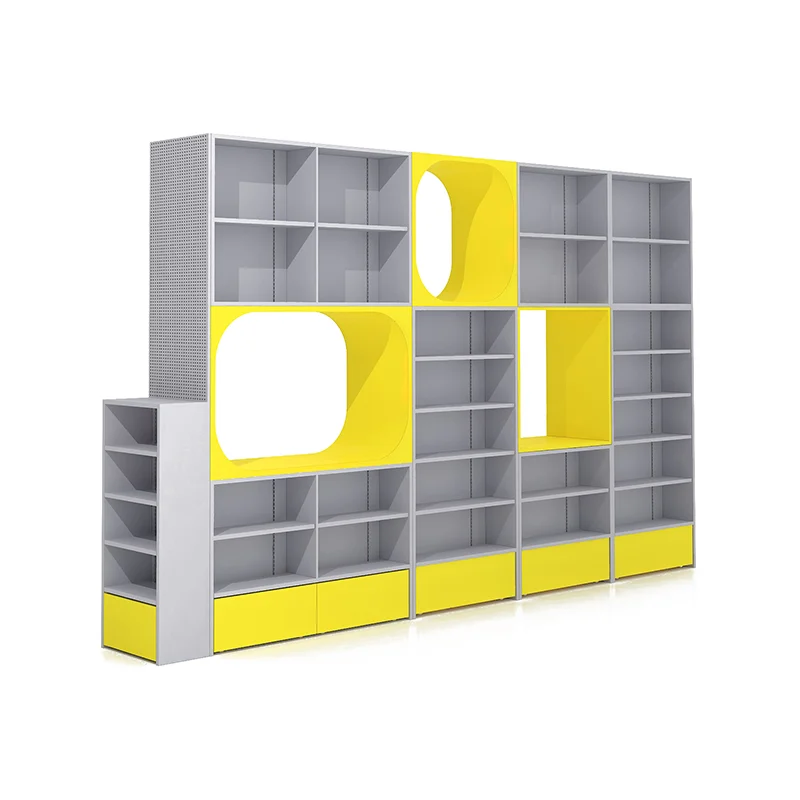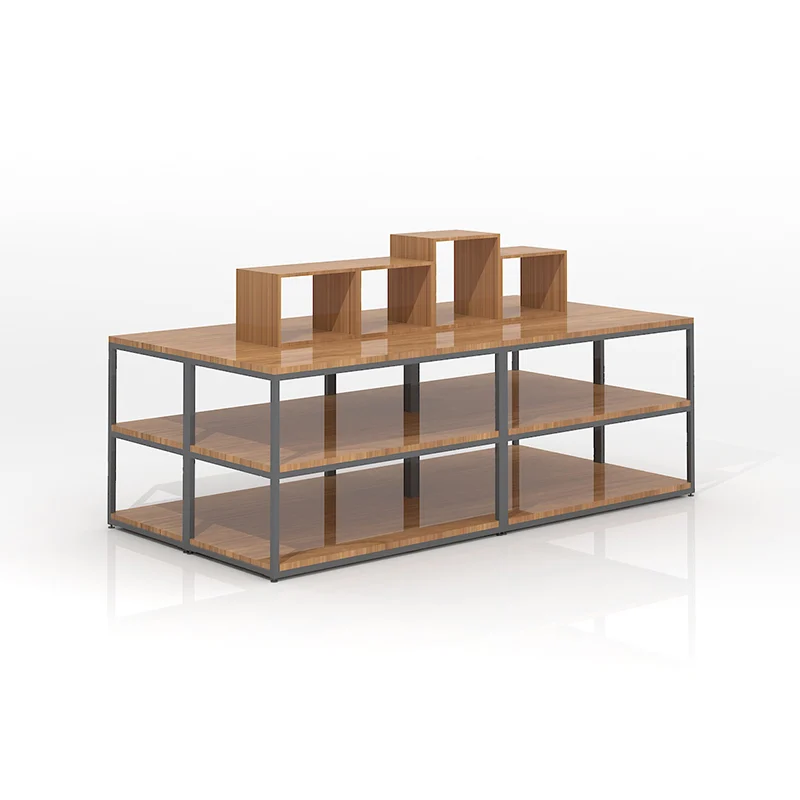
Many retail stores lose sales not because of product choice, but because of poor store layout. A wrong shelving system can make aisles crowded, reduce product visibility, and limit customer flow.
This is where gondola shelving and wall shelving become critical decisions.
Gondola shelving is designed for flexible aisle building and high-density product display in the center of a store. In contrast, wall shelving is used along store walls to save floor space and organize category-based products.
Both systems are widely used in supermarkets, grocery stores, and convenience stores. But they serve very different roles in retail space planning.
Choosing between gondola shelving and wall shelving directly affects store efficiency, customer movement, and long-term retail profit.
In this guide, we will break down the key differences, advantages, and best use cases of both systems to help you design a more efficient and cost-effective store layout.
Key Takeaways
- Gondola shelving is best for creating flexible aisles and high-density product displays in the center of retail stores
- Wall shelving is more cost-efficient and ideal for maximizing perimeter wall space
- Most supermarkets and convenience stores use a combination of both systems for optimal layout efficiency
- Gondola shelving offers higher merchandising flexibility and better customer access
- Wall shelving works best for structured, category-based product organization
What Is Gondola Shelving?
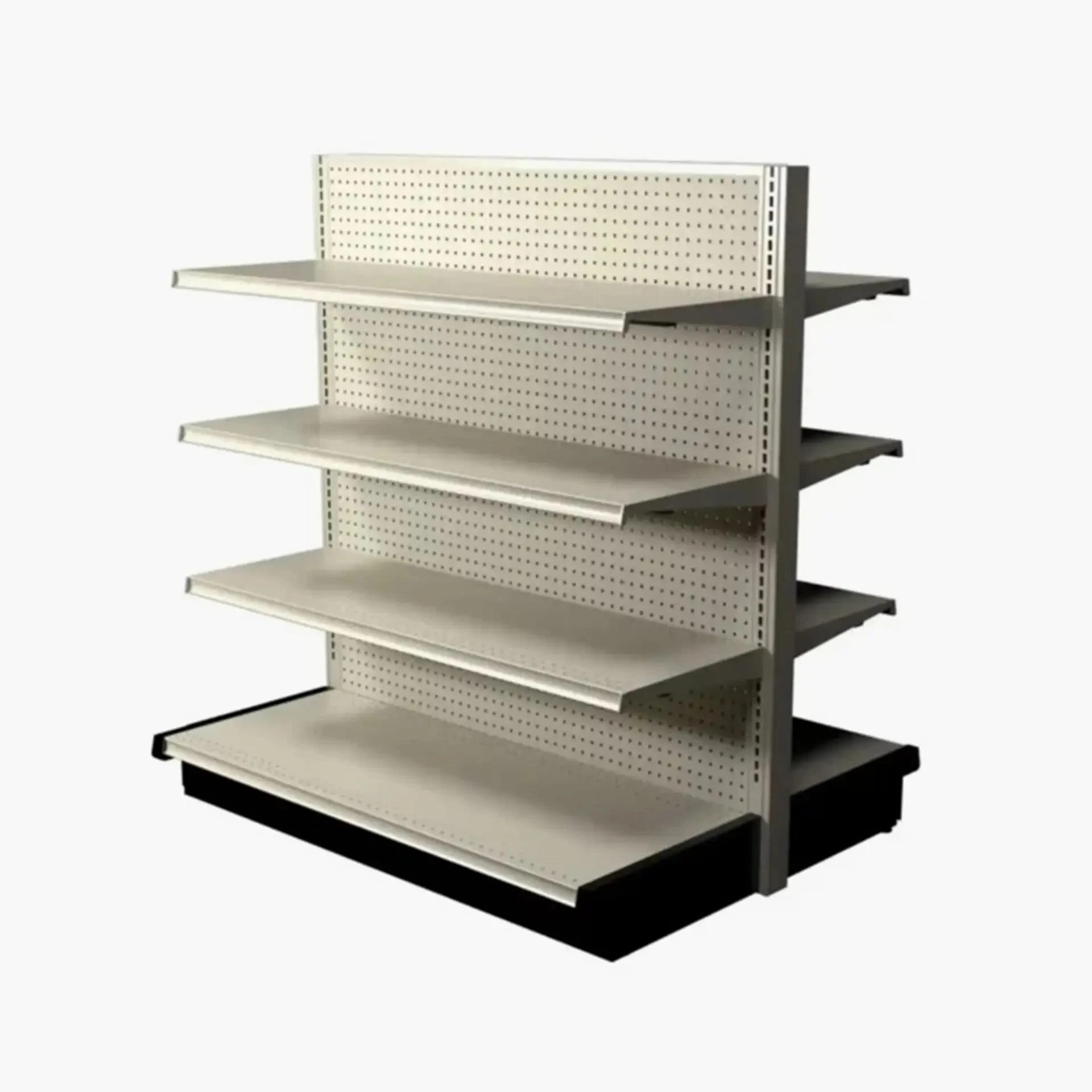
Gondola shelving is a freestanding retail display system used to create store aisles and organize products in supermarkets, convenience stores, and grocery stores.
It is one of the most common types of retail gondola shelving because it is strong, flexible, and easy to adjust for different store layouts.
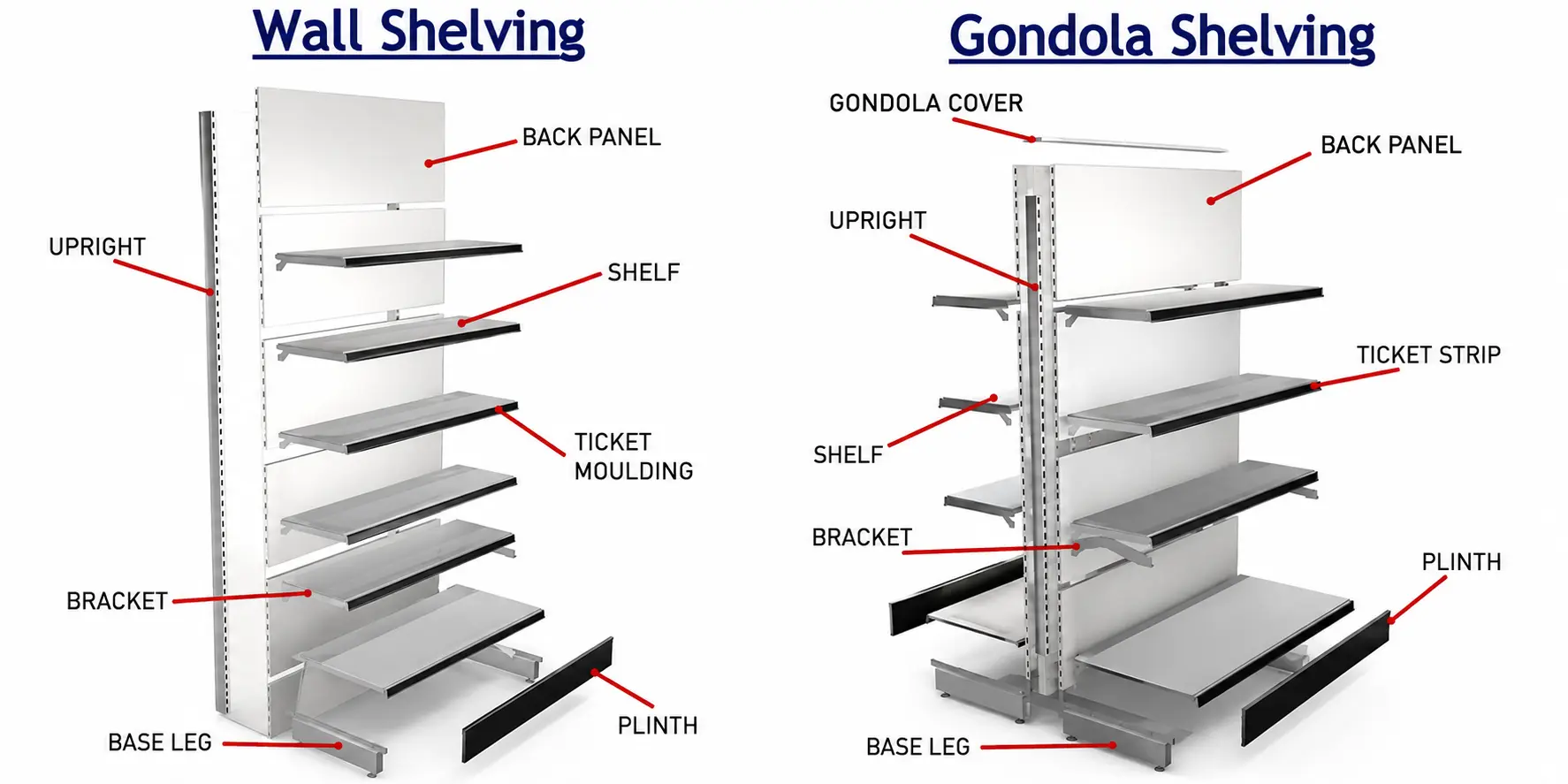
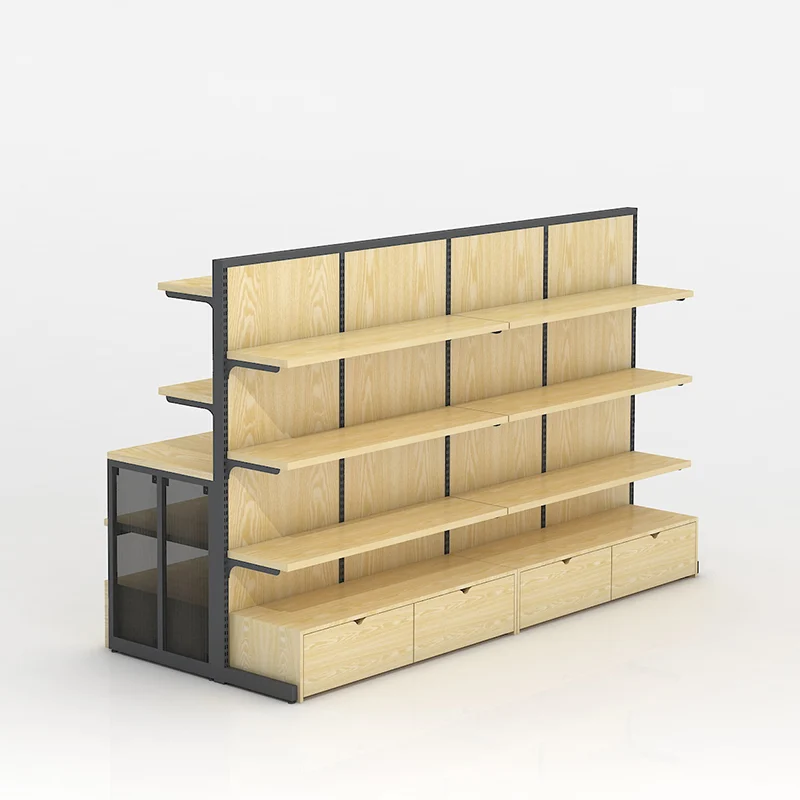
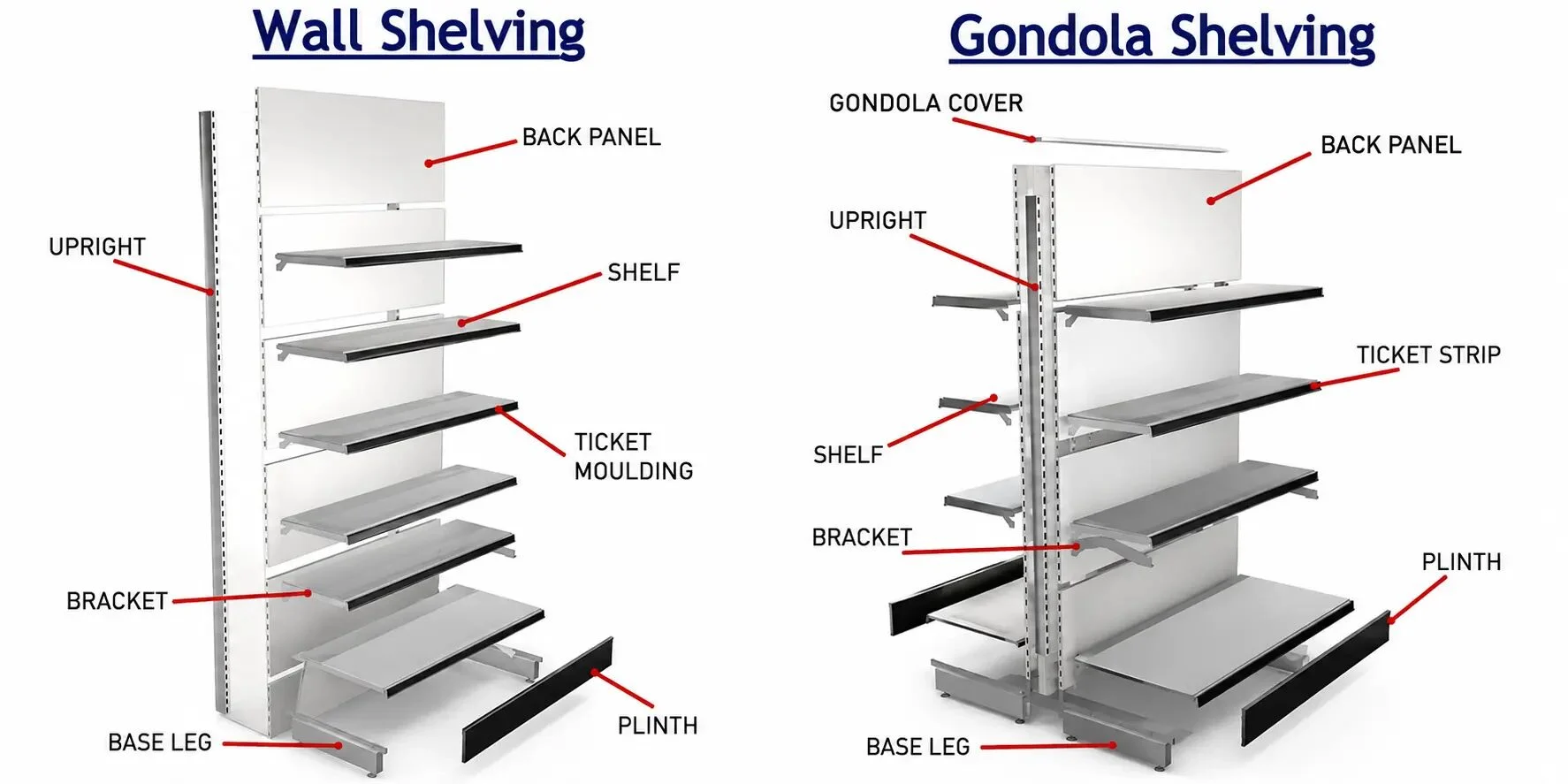
A typical gondola shelving system is made of metal uprights, a solid base, and adjustable shelves. It can be used as a double-sided unit for store aisles or a single-sided unit placed against a wall. This flexibility makes it a core fixture in modern retail design.
In most retail stores, gondola shelving is used to display a large number of products in a small area. The shelves can be moved up or down to fit different product sizes, which helps improve product visibility and merchandising efficiency.
Another key advantage of gondola store shelving is its modular structure. Store owners can easily expand or reconfigure the layout by adding new sections. This is why many supermarkets and chain stores rely on gondola systems for long-term store planning.
Today, gondola shelving manufacturers offer different styles such as end cap gondola shelving, grocery gondola shelving, and gondola display shelving to fit various retail needs.
Overall, gondola shelving is a practical solution for building efficient retail layouts that balance product capacity, visibility, and store flexibility.
What Is Wall Shelving?
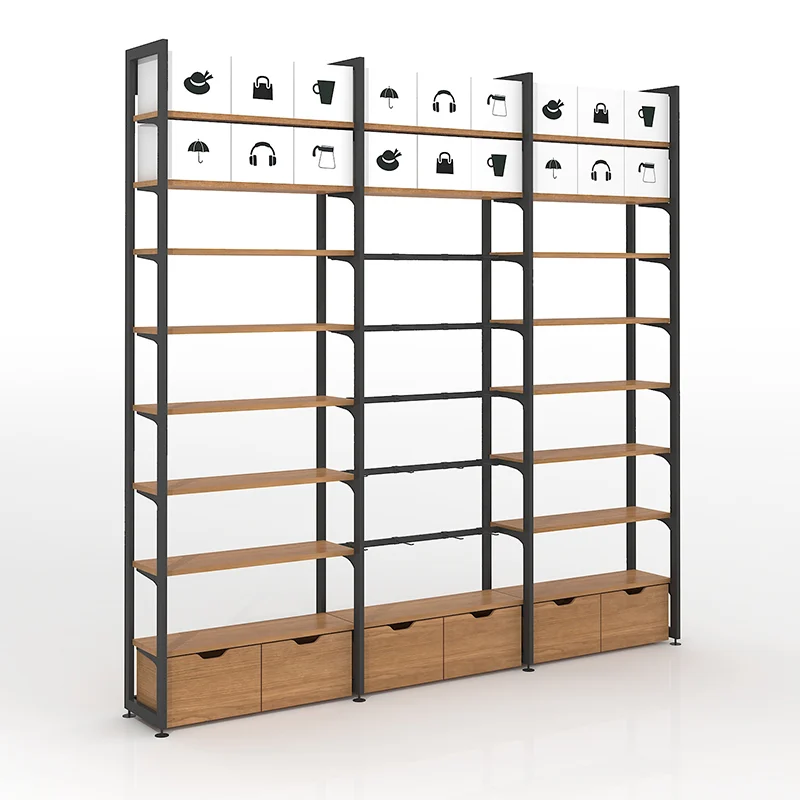
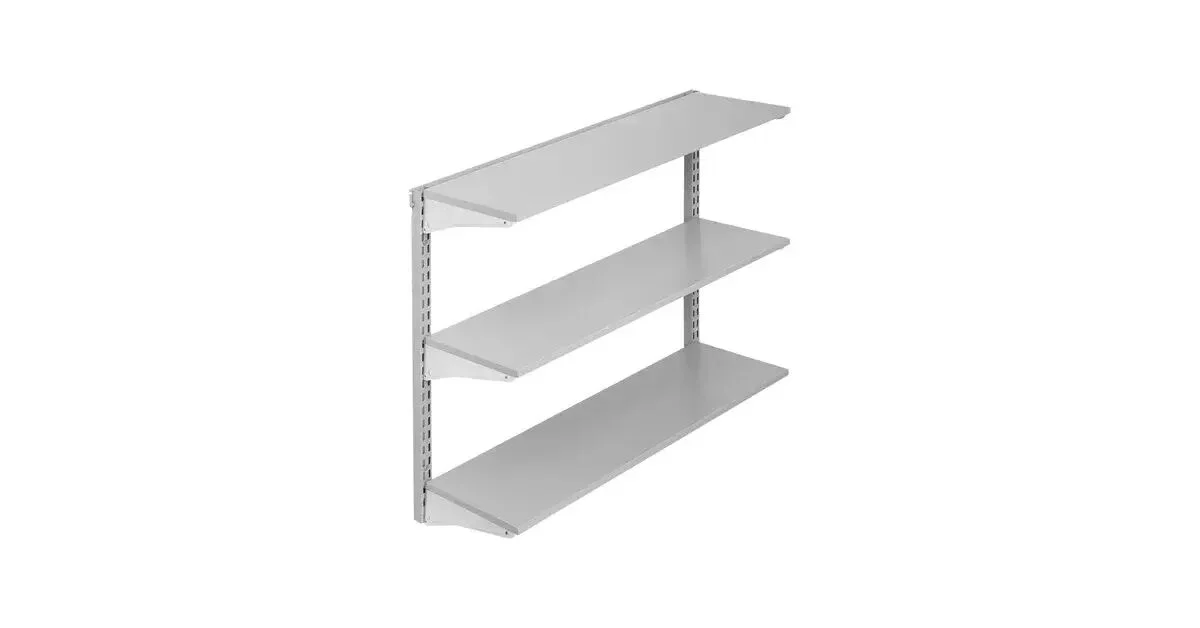
Wall shelving is a single-sided retail shelving system installed along the perimeter walls of a store. It is designed to maximize vertical wall space and create a clean, organized product display area.
Unlike gondola shelving, which is used to build store aisles in the middle of the sales floor, wall shelving is fixed against the wall and focuses on structured, category-based merchandising.
A typical wall shelving unit includes vertical uprights, base shelves, and adjustable upper shelves. The system can hold different product sizes and is commonly used in supermarkets, convenience stores, and retail shops to display packaged goods, beverages, and daily essentials.
One of the key advantages of wall shelving units is their efficient use of space. They allow retailers to turn unused wall areas into productive selling zones, helping increase product visibility without taking up floor space.
Wall shelving is also highly practical for organized product grouping. Many stores use it to display categories such as snacks, personal care items, or household goods in a clear and easy-to-browse layout.
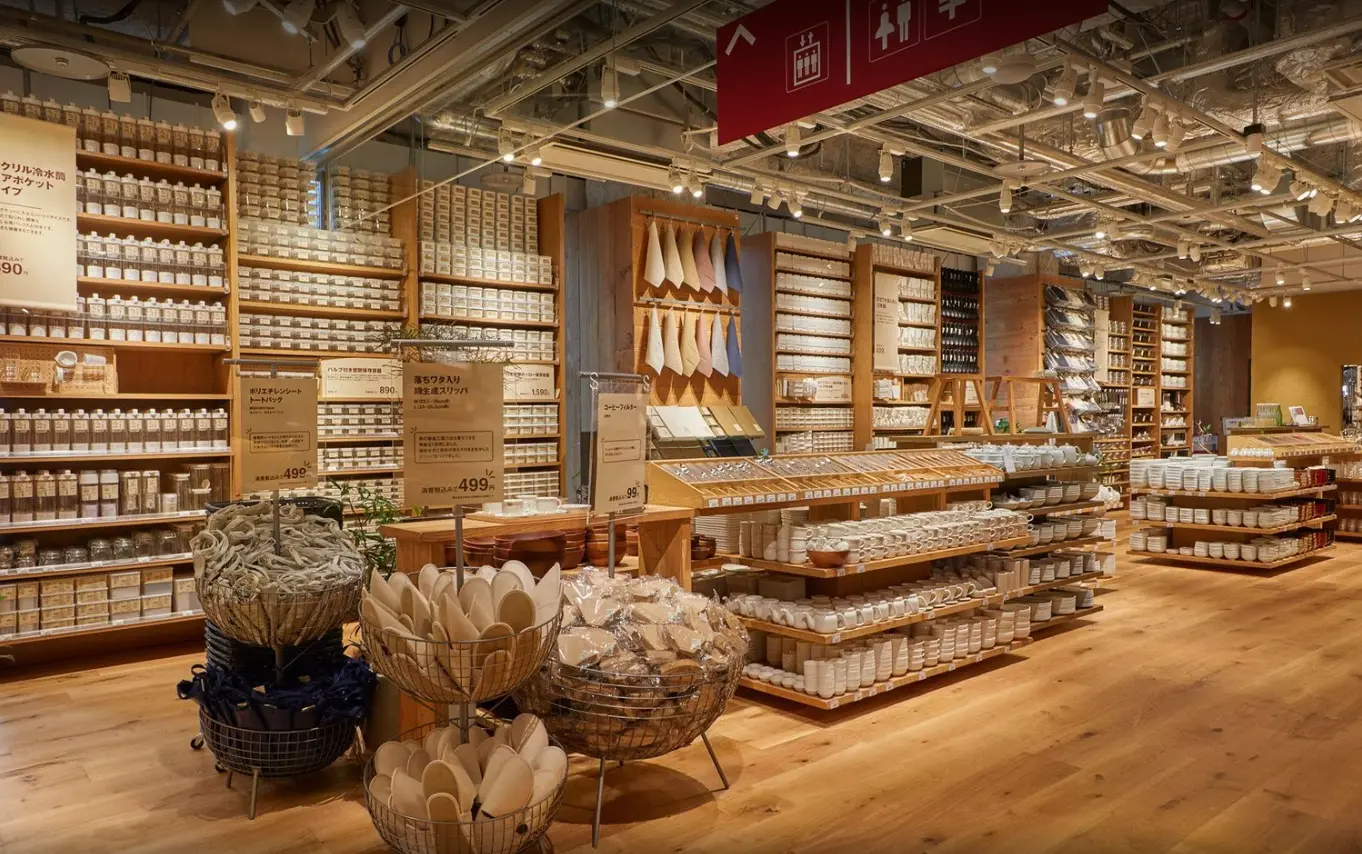
In retail planning, wall shelving is often used together with gondola shelving. It forms the perimeter structure of the store, while gondola shelving builds the central aisles. This combination creates a balanced and efficient store layout that improves both traffic flow and product exposure.
Gondola Shelving vs Wall Shelving: Key Differences
Gondola shelving and wall shelving are both widely used in retail stores, but they serve very different roles in store layout design. The main difference is how they use space, how they support product display, and how flexible they are for store planning.
1. Space Usage
Gondola shelving is freestanding and placed in the middle of the store to create aisles. It uses floor space but allows double-sided product display, which increases product capacity.
In contrast, wall shelving is installed along store walls. It saves floor space and turns vertical wall areas into selling space.
👉 Gondola = aisle structure
👉 Wall shelving = perimeter structure
2. Product Display Capacity
Gondola shelving offers higher display density because both sides of the unit can be used. This makes it ideal for supermarkets and high-SKU retail stores.
Wall shelving only has one display side, so it is more limited in capacity but better for organized category presentation.
3. Flexibility and Layout Design
Gondola shelving is modular and easy to adjust. Store owners can change shelf height, add sections, or redesign aisles based on demand.
Wall shelving is more fixed. It is usually attached to walls and is less flexible once installed.
4. Customer Flow and Shopping Experience
Gondola shelving helps guide customer movement through store aisles. It encourages browsing from both sides and increases product exposure.
Wall shelving supports structured shopping along store edges. It is better for category-based browsing and quick product finding.
5. Cost and Installation
Wall shelving is usually more cost-efficient and easier to install.
Gondola shelving requires more investment but offers better long-term value in larger retail environments due to higher flexibility and space efficiency.
6. Best Use Cases
Gondola shelving → supermarkets, grocery stores, convenience stores with wide layouts
Wall shelving → small retail shops, pharmacies, and stores with limited floor space
Which One Is Better for Your Store Layout?
There is no single best choice between gondola shelving and wall shelving. The right option depends on your store size, budget, and product strategy.
Both systems play different roles in a retail layout, and the best results often come from using them together.
1. Choose Gondola Shelving if you need flexibility
Gondola shelving is the better choice when your store needs a flexible and high-capacity layout.
It works best for:
- Supermarkets with wide aisles
- Stores with many product categories (high SKU count)
- Retail spaces that change promotions often
- Stores that need easy layout adjustments
Because gondola shelving is modular, you can quickly rebuild aisles, adjust shelf heights, and expand display areas as your business grows.
It also improves product visibility since customers can shop from both sides of the aisle.
2. Choose Wall Shelving if you want space efficiency
Wall shelving is the better option when floor space is limited or when you want a clean perimeter display.
It works best for:
- Small convenience stores
- Pharmacies and specialty shops
- Stores with fixed product categories
- Budget-focused retail setups
Wall shelving units help maximize vertical space without reducing walking area. This makes the store feel more open and organized.
3. Best solution: use both together
In most real retail projects, the most efficient layout is a combination of gondola shelving and wall shelving.
- Wall shelving builds the store perimeter
- Gondola shelving creates central aisles
This hybrid layout improves:
- Customer flow
- Product exposure
- Space utilization
- Overall shopping experience
Many supermarket and grocery store layouts use this structure because it balances cost and performance.
4. Simple decision guide
- If your focus is flexibility and sales density → choose gondola shelving
- If your focus is low cost and space saving → choose wall shelving
- If you want best performance → combine both systems
FAQ: Gondola Shelving vs Wall Shelving
Q1: What is the main difference between gondola shelving and wall shelving?
Gondola shelving is freestanding and used to create store aisles, while wall shelving is installed along store walls for perimeter display. Gondola supports double-sided display, wall shelving is single-sided.
Q2: Which is more cost-effective, gondola shelving or wall shelving?
Wall shelving is usually cheaper and easier to install. However, gondola shelving provides higher display capacity and better long-term ROI in larger retail stores.
Q3: Can gondola shelving be used as wall shelving?
Yes. Single-sided gondola shelving can be placed against walls and used as a wall display system in hybrid store layouts.
Q4: Which shelving system is better for small stores?
Wall shelving is better for small stores because it saves floor space and makes the layout more open and organized.
Q5: Do supermarkets use both gondola and wall shelving together?
Yes. Most supermarkets use a combination: wall shelving for perimeter storage and gondola shelving for central aisles to improve flow and product exposure.
Conclusion
Choosing between gondola shelving and wall shelving is not about which one is better overall. It is about how each system fits your store layout, product type, and budget.
Gondola shelving is best for building flexible aisles and increasing product display capacity in the center of the store. It helps improve customer flow and supports high-density merchandising.
Wall shelving, on the other hand, is ideal for saving floor space and creating clean, organized perimeter displays. It is often used for category-based products and structured retail layouts.
In most modern retail stores, the most effective solution is a combination of both systems. Wall shelving builds the store structure, while gondola shelving creates the shopping aisles. This hybrid layout improves space use, product visibility, and overall store efficiency.
If you are planning a new store or upgrading your retail layout, choosing the right shelving system is critical for long-term performance.
DAHO provides professional gondola shelving and wall shelving solutions for supermarkets, grocery stores, and retail projects worldwide. We help you design efficient store layouts that improve space usage, reduce cost, and increase sales potential.
👉 Contact us today to get a customized shelving solution for your store project.