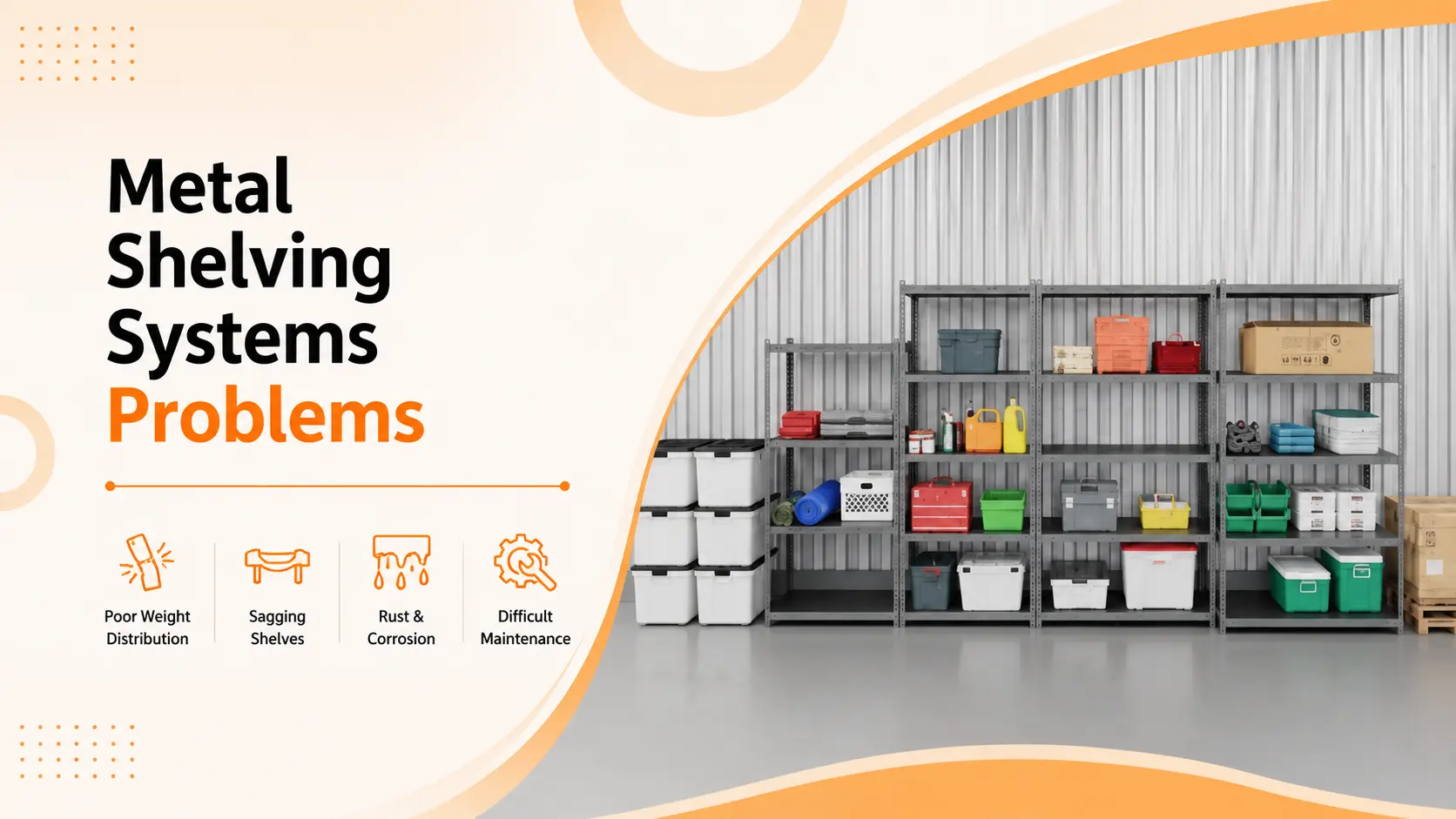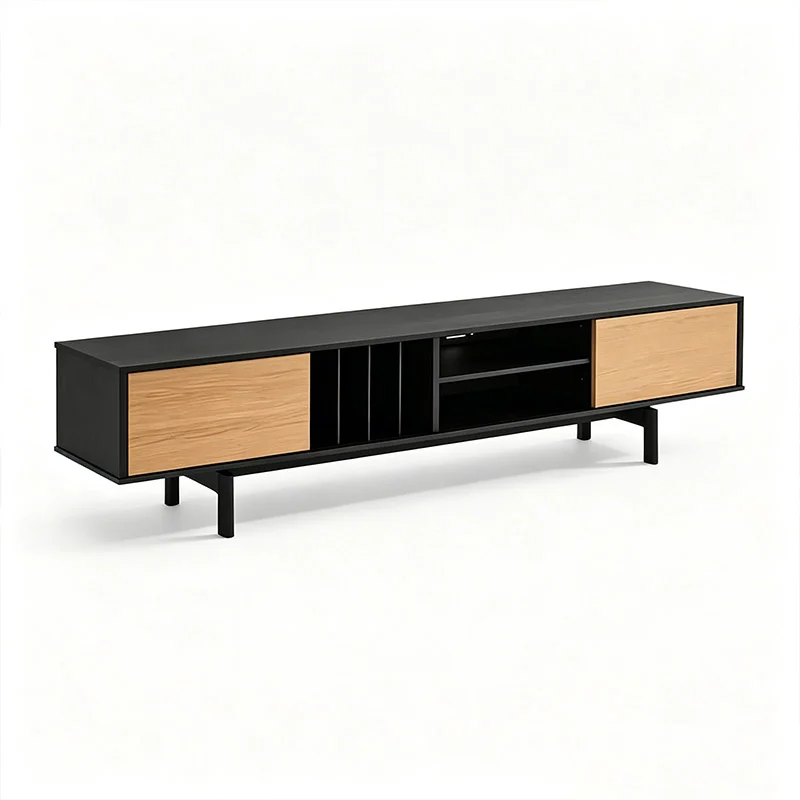
Metal shelving systems are widely used in warehouses, factories, and various retail areas. But many buyers face the same problems after use: rust, peeling paint, and unstable structures.
These issues can affect safety, storage efficiency, and long-term cost. In most cases, they are not caused by poor product design alone. Moisture, surface coating failure, and improper installation are the real reasons behind most failures in metal shelving systems.
This guide explains why these problems happen and how to fix them in a practical way. You will also learn how to extend the lifespan of industrial metal shelving systems with simple maintenance and proper usage methods.
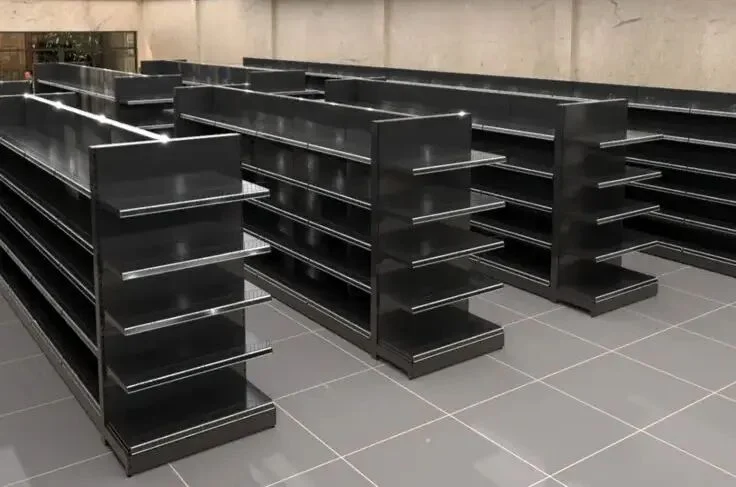
Key Takeaways
- Rust and paint peeling are mainly caused by moisture and coating damage
- Instability is usually related to load imbalance or weak installation
- Proper maintenance can significantly extend shelf lifespan
- High-quality metal shelving systems reduce long-term failure risks
1. What Are Metal Shelving Systems Used for in Industrial Environments?
Metal shelving systems are widely used in industrial and commercial spaces for organized storage. They are strong, flexible, and easy to adjust. Most systems are made of steel and designed for heavy-duty use in daily operations.
Warehouse and Logistics Storage
Metal shelving systems are commonly used in warehouses for storing cartons, spare parts, and general inventory. They help organize goods in different sizes and make picking faster and more efficient.
Furthermore, these systems are often placed in storage aisles or against walls to maximize vertical space.
Manufacturing and Factory Use
In factories, metal shelving systems are used to store raw materials, tools, and production parts.
Additionally, adjustable shelving makes it easier to adapt storage layouts when production needs change.
Workshop and Maintenance Areas
Industrial workshops use metal shelving systems to store tools, equipment, and repair parts.
Moreover, strong steel shelving helps handle heavy tools without bending or instability. This makes it suitable for long-term industrial use.
Commercial and Retail Storage
Metal shelving systems are also used in retail backrooms and commercial storage areas. They support bulk inventory storage before products are placed on shelves for sale.
2. Why Metal Shelving Systems Develop Rust Over Time
Metal shelving systems develop rust mainly due to long-term exposure to moisture, air, and environmental stress. Rust is a natural reaction that happens when steel reacts with oxygen and water over time. This process slowly breaks down the surface and weakens the material if it is not protected properly.
Moisture and Humidity Exposure in Warehouses
When moisture stays on the steel surface for a long time, it triggers oxidation.
Additionally, poor ventilation or damp storage environments make the process faster.
Coating Damage and Surface Scratches
Most industrial metal shelving systems rely on protective coatings like powder coating or paint. These layers act as a barrier between steel and air.
However, when the coating is scratched or damaged during use, the bare steel becomes exposed. Once exposed, rust can form quickly and spread across the surface.
Chemical and Environmental Exposure
Industrial cleaning agents, dust, and airborne chemicals can also weaken the protective layer of steel shelving systems.
In some environments, salt in the air or chemical vapors can speed up corrosion. This is especially common in coastal areas or factories with heavy chemical use.
Material Aging and Long-Term Wear
Over time, even well-protected metal shelving systems will experience natural wear. The protective coating becomes thinner, and small weak points may appear.
These weak areas allow oxygen and moisture to slowly enter, which leads to gradual rust development if maintenance is not performed regularly.
3. Why Peeling Paint Happens in Steel Shelving Systems
Peeling paint on metal shelving systems is a common surface failure in industrial use. It happens when the coating loses adhesion to the steel surface. Once this bond breaks, the paint starts to lift, crack, or flake away, exposing the metal underneath.
Poor Surface Preparation Before Coating
If the steel is not cleaned properly before coating, oil, dust, or rust can stay on the surface.
Additionally, without proper cleaning or priming, the paint layer cannot bond well with the metal. Over time, this weak bond leads to peeling and coating failure.
Moisture and Environmental Exposure
When water or humidity gets under the paint layer, it breaks the adhesion between coating and steel.
Furthermore, temperature changes can make steel expand and contract. This movement slowly weakens the paint layer and causes it to separate from the surface.
Wrong Coating or Low-Quality Paint
Not all coatings are suitable for industrial metal shelving systems. If the paint system is too thin or not designed for heavy-duty use, it will fail under stress.
In industrial environments, shelving is often exposed to friction, impact, and load pressure. Low-quality coatings cannot handle this level of wear, so peeling happens sooner.
Mechanical Wear and Surface Impact
Metal shelving systems are frequently loaded and unloaded. This daily use creates friction and small impacts on the surface.
Over time, these physical forces damage the coating layer. Once the surface is scratched, peeling often starts from those weak points and spreads gradually.
4. Causes of Instability in Industrial Metal Shelving Systems
Instability in metal shelving systems is a common issue in warehouses and industrial storage areas. It usually appears as wobbling, shaking, or uneven balance during use. In most cases, this problem is not caused by a single factor, but by a combination of design, installation, and usage conditions.
Improper Load Distribution
When heavy items are placed on higher levels, the center of gravity shifts upward. This makes the structure less stable.
Additionally, overloading certain shelves while leaving others light creates pressure imbalance. This uneven force increases movement and reduces overall rigidity.
Weak or Missing Structural Bracing
Industrial metal shelving systems rely on bracing to maintain strength. Without cross braces or back supports, the structure can move side to side.
Furthermore, some units become unstable when bolts or connectors loosen over time.
Improper Installation or Assembly
If shelving systems are not fully tightened or properly aligned, they lose structural stability from the start.
In addition, missing anchors or incorrect assembly steps can weaken the entire frame.
Uneven Flooring and Environmental Conditions
If the ground is not level, the shelving system may tilt slightly, which leads to long-term imbalance.
Moreover, vibration from forklifts or frequent movement in warehouses can gradually loosen connections. Over time, this reduces the rigidity of industrial metal shelving systems.
Material Fatigue and Long-Term Use
With continuous use, metal joints and connectors can experience small levels of wear. This is especially true in high-load environments.
As components age, minor deformation may appear. These small changes can slowly affect stability, especially if regular maintenance is not performed.
5. How to Fix Rust in Metal Shelving Systems
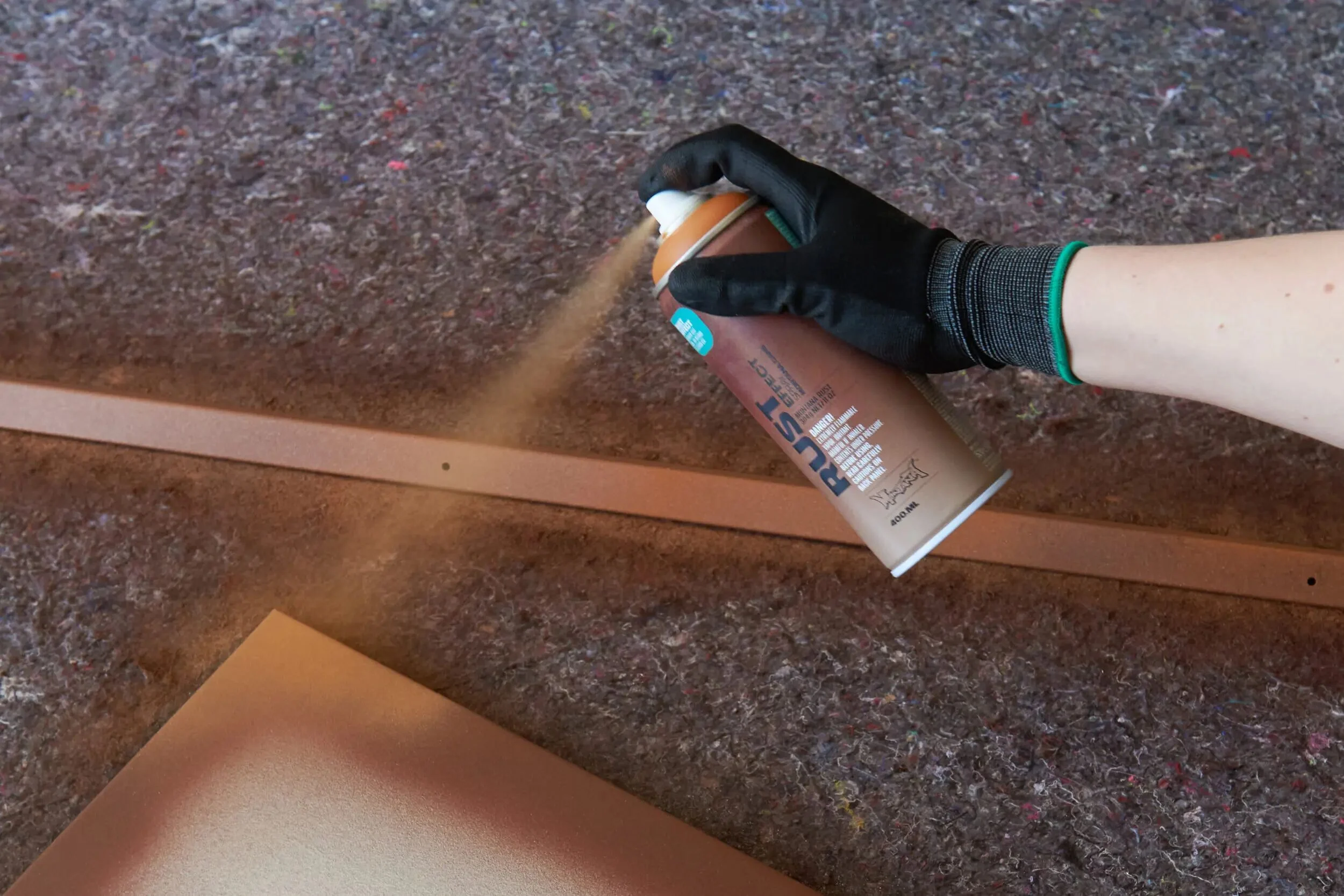
The fixing process is not complex. It mainly includes cleaning, treating, and protecting the steel surface.
Step 1: Remove Loose Rust
Start by cleaning the affected area on the metal shelving systems. Use a wire brush, sandpaper, or abrasive pad to remove loose rust.
Additionally, make sure the surface is dry before moving to the next step. This helps avoid trapping moisture under the repair layer.
Step 2: Apply Rust Removal Treatment
After cleaning, apply a rust remover or mild chemical solution. This helps break down deeper corrosion that is not visible on the surface.
In some cases, industrial rust converters are used. They turn rust into a stable layer that can be coated later.
Step 3: Clean and Dry the Surface
Once the rust treatment is complete, clean the area again. Remove any dust or chemical residue.
Then allow the surface to fully dry.
Step 4: Recoat the Damaged Area
Apply a protective primer or anti-corrosion coating to the repaired section. This restores the barrier layer of the metal shelving systems.
For better protection, industrial powder coating or epoxy paint can be used. These coatings help reduce future rust formation.
Step 5: Inspect and Maintain Regularly
After repair, check the shelving system regularly. Small rust spots can return if the environment is humid or the coating is damaged again.
Routine inspection helps catch early signs and prevents larger structural problems in industrial metal shelving systems.
6. How to Fix Peeling Paint on Steel Shelving Systems
Peeling paint on metal shelving systems is a common issue in industrial use. It happens when the coating loses its bond with the steel surface.
Step 1: Remove Loose and Peeling Paint
Start by scraping off all loose paint on the steel shelving systems. Use a scraper, wire brush, or sanding tool to clean the surface.
In addition, make sure all unstable coating is removed.
Step 2: Clean the Metal Surface
After removing paint, clean the exposed steel area. Remove dust, grease, and dirt from the surface.
Additionally, use a degreaser if needed.
Step 3: Sand and Smooth the Surface
Light sanding helps improve adhesion for new coating. It creates a rough surface so paint can bond better with the metal shelving systems.
Moreover, sanding removes small remaining flakes and helps unify the surface before priming.
Step 4: Apply Primer for Metal Protection
Apply a metal primer to the cleaned area. This layer helps the new coating stick properly to the steel surface.
In industrial use, anti-corrosion primer or epoxy primer is often used for better durability.
Step 5: Recoat with Industrial Paint
After the primer dries, apply a new topcoat. Choose industrial-grade paint suitable for steel shelving systems.
Additionally, apply thin and even layers instead of one thick coat. This improves durability and reduces future peeling risk.
Step 6: Inspect and Maintain Regularly
After repair, check the surface condition regularly.
7. How to Stabilize Wobbly Metal Shelving Systems
Wobbly metal shelving systems are usually caused by weak structure, uneven load, or poor installation.
The solution is to strengthen the frame, balance the load, and secure the system properly.
Step 1: Balance the Load Distribution
Spreading weight evenly across each shelf helps reduce pressure points. Keeping heavier goods on lower levels improves the center of gravity and makes the structure more stable.
Step 2: Tighten All Structural Connections
Checking and tightening all fasteners helps restore rigidity. This step is simple but very effective for most industrial metal shelving systems.
Step 3: Add Cross Bracing or Reinforcement
Rear or diagonal braces increase structural strength. This is especially important for tall or heavy-duty shelving systems used in warehouses.
Step 4: Secure the Shelving to the Floor or Wall
Anchoring metal shelving systems adds strong external support. It prevents shifting caused by vibration or accidental impact.
Furthermore, fixing the unit to a wall or floor is highly recommended in industrial environments. It significantly reduces the risk of tipping or collapse.
Step 5: Level the Floor Contact Points
Uneven flooring can make shelving systems unstable even if the structure is strong.
Additionally, using leveling feet or shims helps create a flat base.
Step 6: Upgrade Weak Structural Components
If wobbling continues, some parts may not be strong enough for the load. Thin beams or low-grade materials can bend under pressure.
In such cases, upgrading to heavy-duty metal shelving systems with stronger uprights and thicker steel can solve the problem.
8. Preventive Maintenance for Long-Term Performance
Instead of waiting for rust, paint damage, or instability to appear, regular care helps stop problems early.
A simple maintenance routine can greatly improve the performance of metal shelving systems in warehouses and factories.
Regular Inspection of Structural Condition
Check metal shelving systems on a fixed schedule. Look for loose bolts, surface damage, rust spots, and frame deformation.
Early detection helps prevent small issues from becoming safety risks. Monthly checks are common in industrial storage environments.
Cleaning to Prevent Dust and Corrosion
Dust, oil, and debris can slowly damage protective coatings. Regular cleaning helps keep the surface stable and reduces corrosion risk.
Tightening and Fastener Control
Bolts, joints, and connectors should be checked and tightened regularly. Vibrations from forklifts or daily use can loosen parts over time.
Load Management and Safe Usage
Proper load distribution is important for long-term stability. Heavy goods should be placed on lower shelves, while upper levels should carry lighter items.
Environmental Control and Protection
Keeping storage areas dry helps reduce rust and paint failure.
In addition, using protective coatings or upgrading to better-treated steel shelving systems improves long-term durability.
9. After-Sales Support and Quality Assurance in Metal Shelving Systems
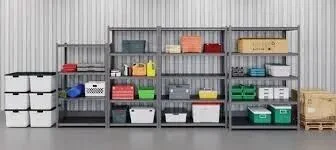
After-sales support and quality control are important parts of metal shelving systems in industrial use. These services ensure the system stays safe, stable, and functional after installation.
Importance of Manufacturer Support
Reliable manufacturers provide support after delivery and installation. This includes technical guidance, replacement parts, and repair advice.
Spare Parts and Replacement Availability
Over time, some components of metal shelving systems may wear out or get damaged. Having access to matching spare parts ensures quick repair and stable operation.
Quality Assurance and Production Standards
Strong quality control during production improves long-term performance. This includes testing steel strength, coating durability, and load capacity.
Well-manufactured steel shelving systems follow strict assembly and welding standards.
Installation Guidance and Technical Support
Proper installation is key to stable performance. Many issues in metal shelving systems come from incorrect assembly rather than product failure.
Technical support from the supplier helps ensure correct setup. This includes load guidelines, anchoring methods, and safety recommendations.
Custom Solutions for Industrial Needs
Custom metal shelving systems help match load requirements, space design, and usage conditions.
FAQ: Metal Shelving Systems Problems & Solutions
Why do metal shelving systems rust?
Metal shelving systems rust when steel is exposed to moisture and air. Damaged coating or scratches make the process faster.
How do you fix unstable metal shelving systems?
You can fix instability by tightening all connectors and adding proper bracing. It is also important to balance the load and place heavy items on lower shelves.
Can peeling paint on metal shelving systems be repaired?
Yes, peeling paint can be repaired by removing loose coating, cleaning the surface, and applying primer and new industrial paint. Proper surface preparation is key.
How can you prevent rust on industrial shelving systems?
Rust can be prevented by keeping the surface dry, using protective coatings, and choosing powder-coated or galvanized steel. Regular cleaning also helps reduce risk.
What is the main cause of shelving instability?
The main cause is uneven load distribution or weak structural support. Poor installation and loose connections can also lead to wobbling.
Conclusion
Metal shelving systems are strong and reliable, but they are not free from problems. Over time, issues like rust, peeling paint, and instability can appear, especially in industrial environments with moisture, heavy loads, and frequent use.
With proper care, these issues can be controlled. Rust can be removed early, coatings can be repaired, and unstable structures can be reinforced. Regular inspection and correct usage also help improve the overall performance of metal shelving systems.
In many cases, choosing better materials and stronger surface treatments from the beginning will significantly reduce future maintenance costs and safety risks.
If you are looking for durable and industrial-grade metal shelving systems with better stability and surface protection, contact us today. DAHO can provide customized solutions based on your warehouse or commercial needs.

Ivy is a shelving specialist at DAHO, a supermarket shelving manufacturer in China. She shares practical knowledge on retail shelving design, metal and wood fabrication, and store display systems. She helps global retailers and wholesalers understand shelving structures and choose the right factory solutions.