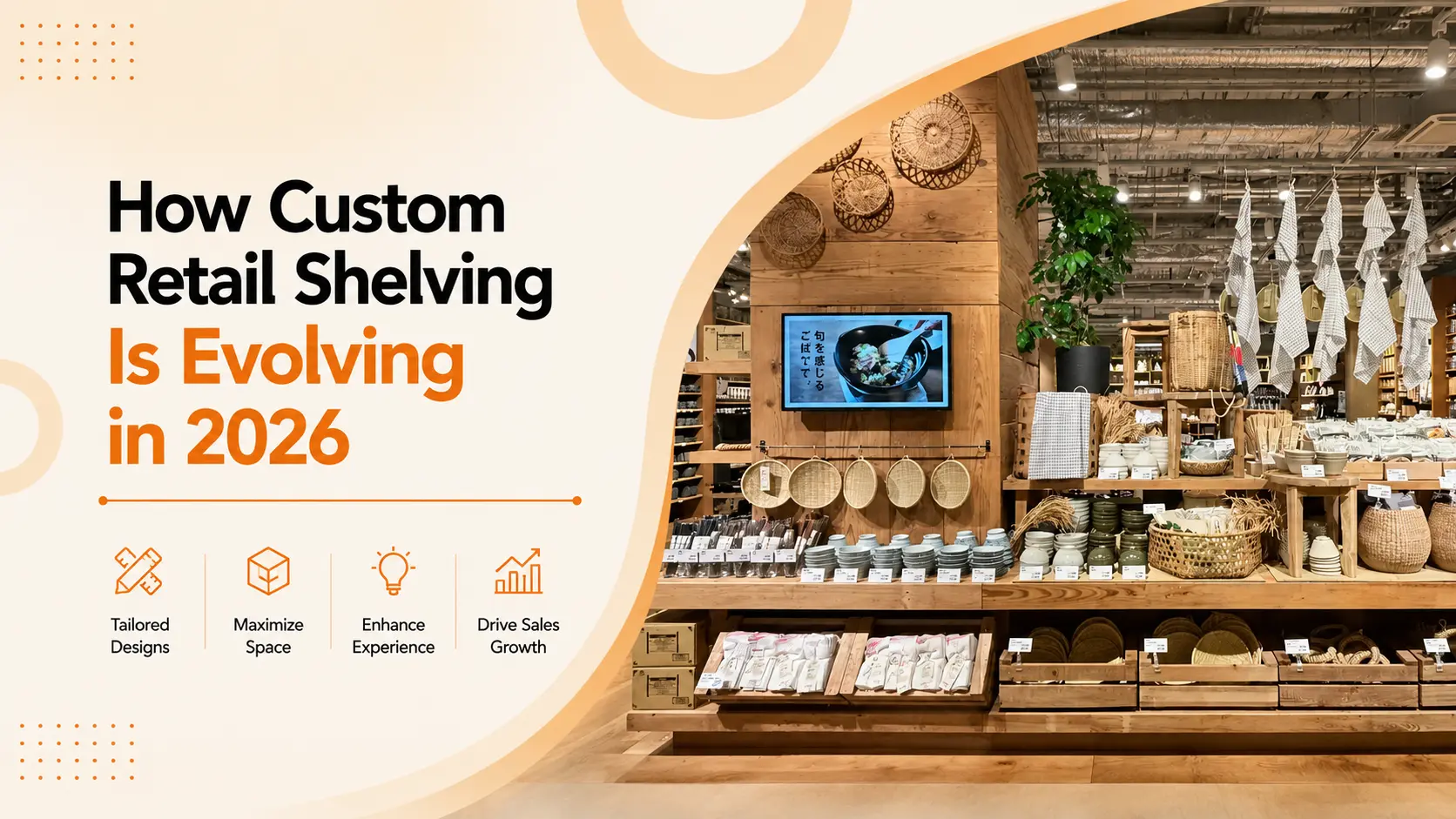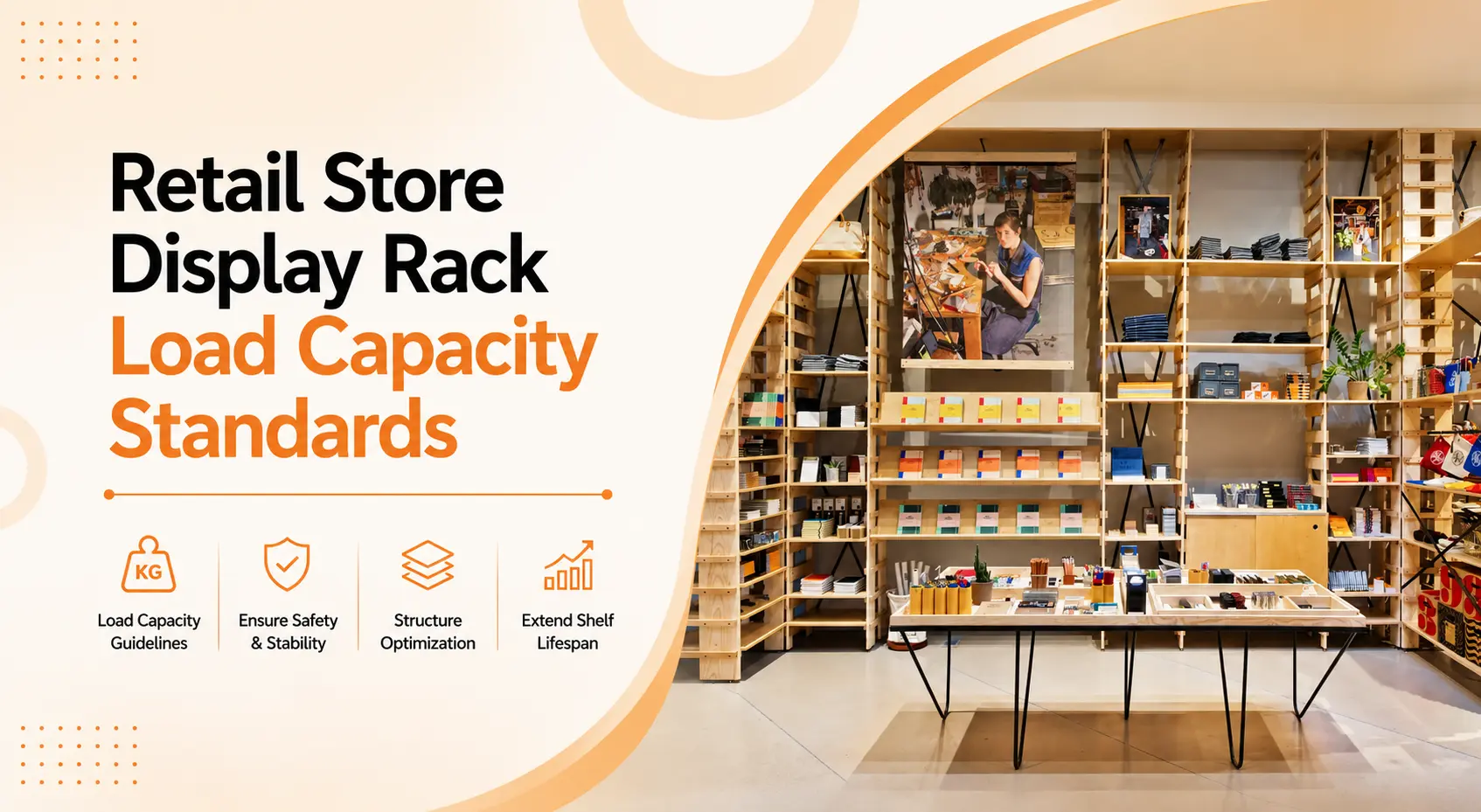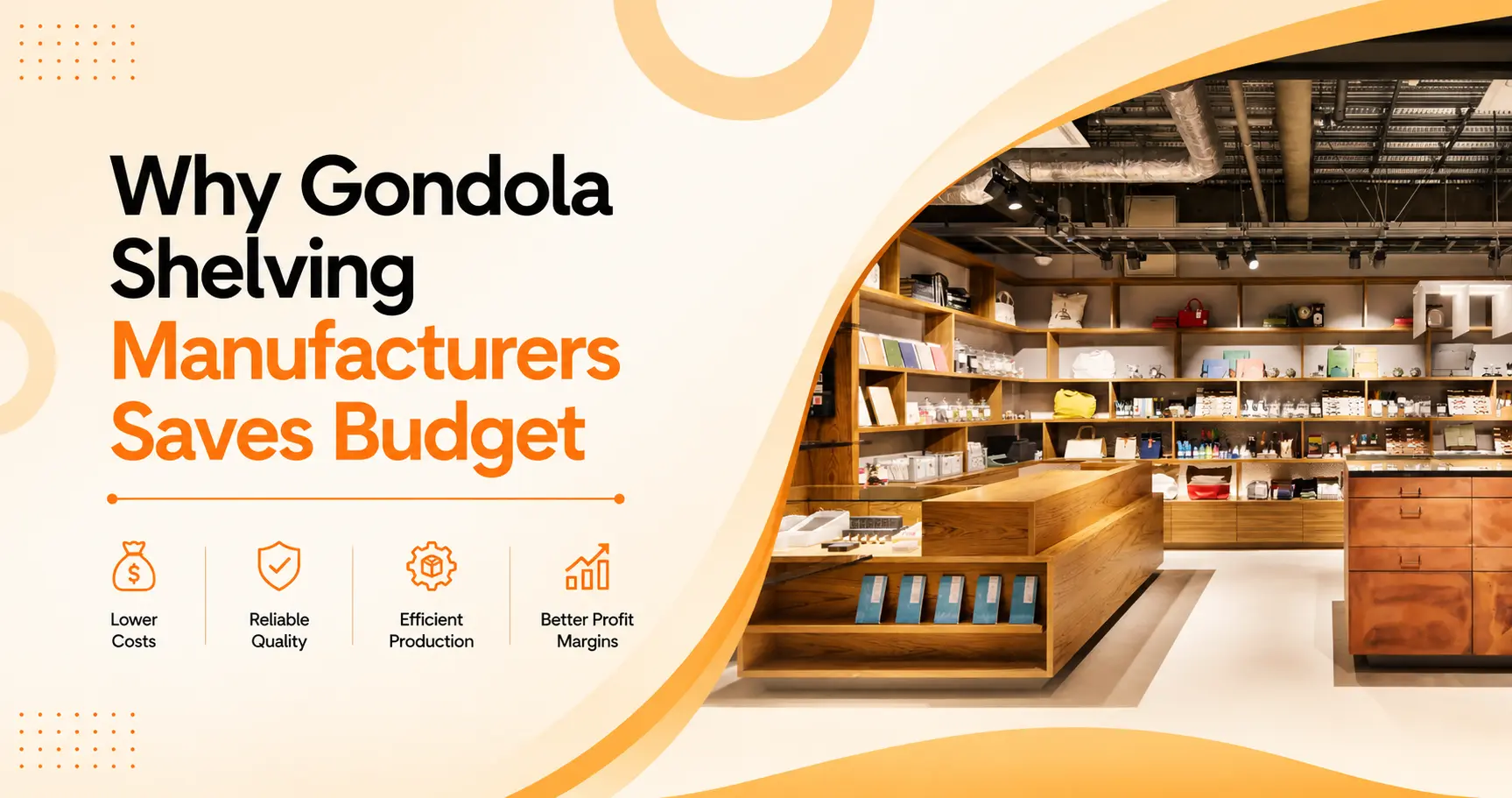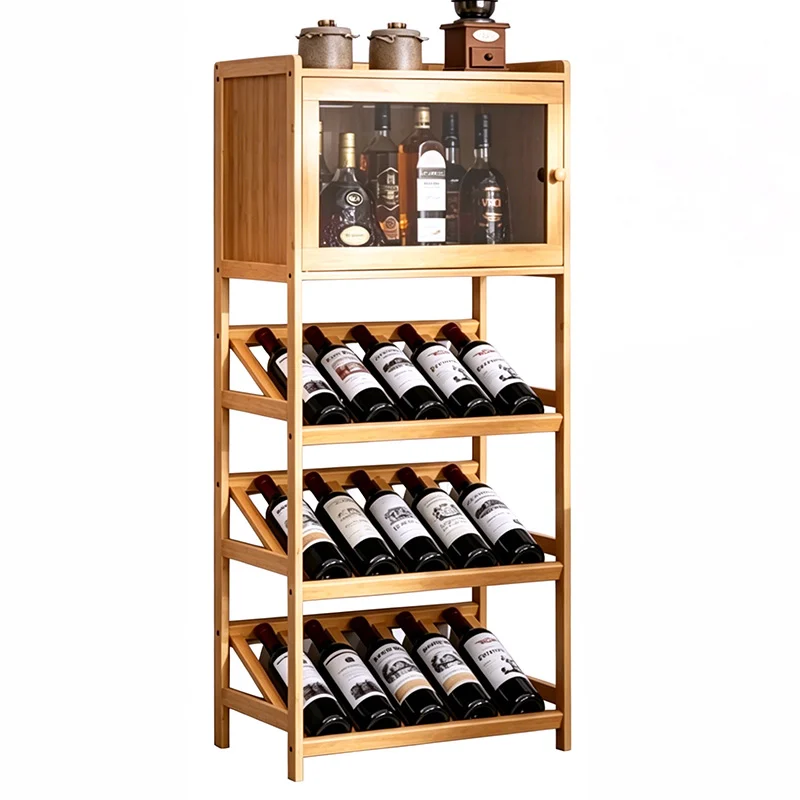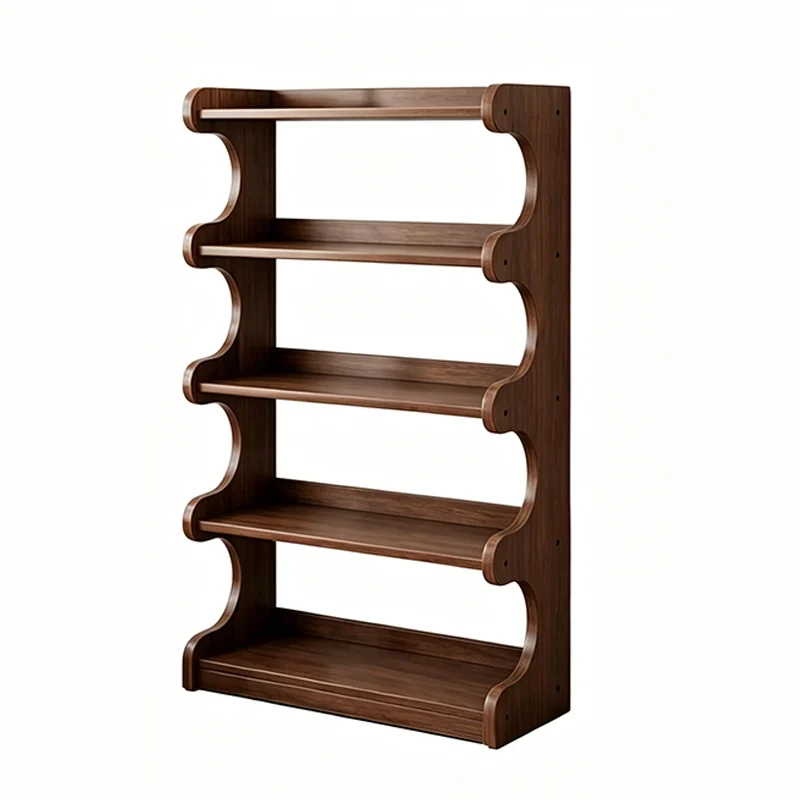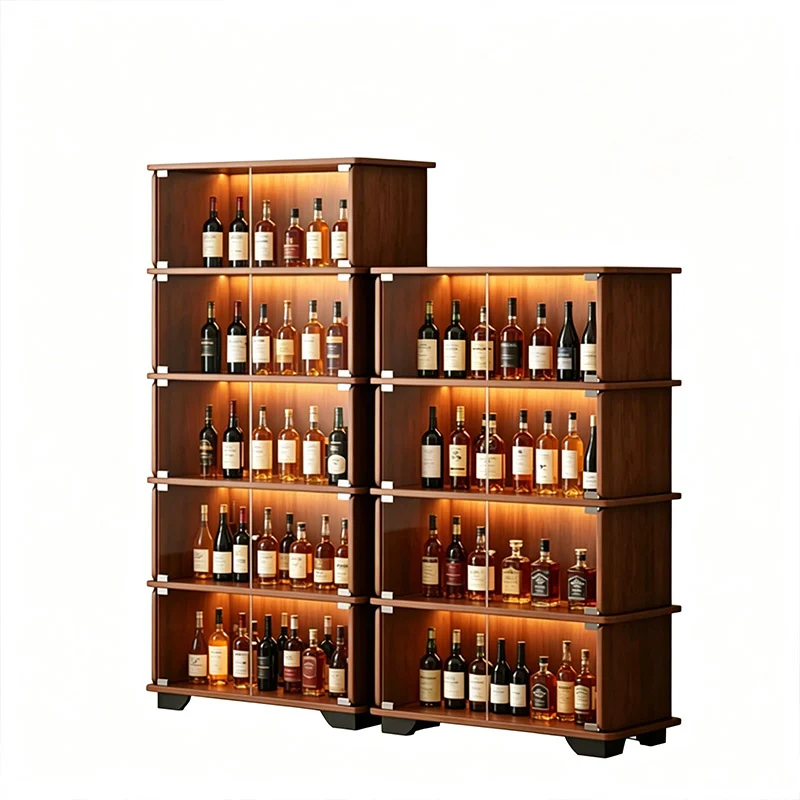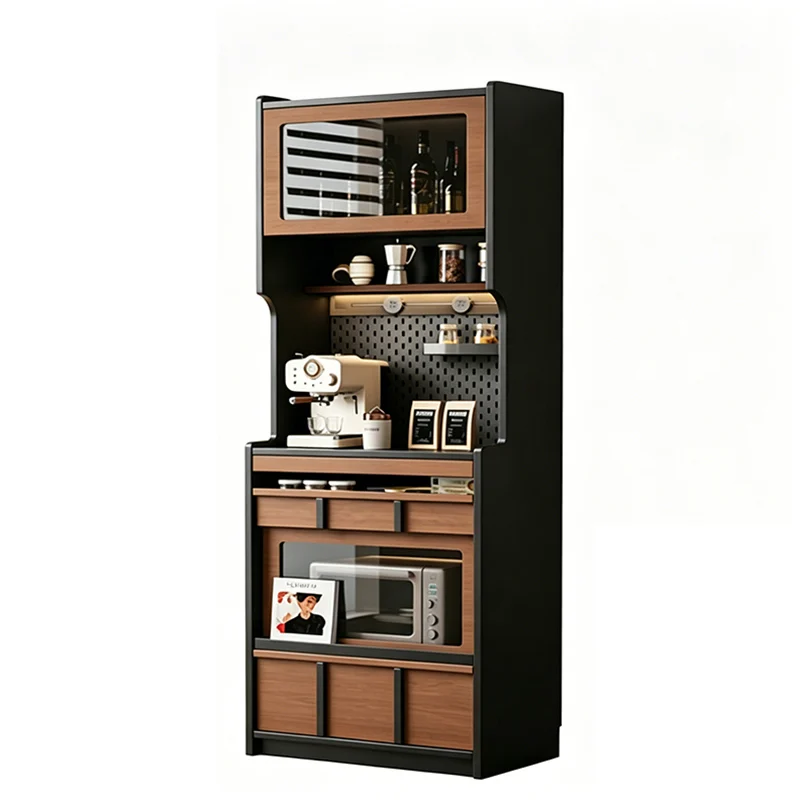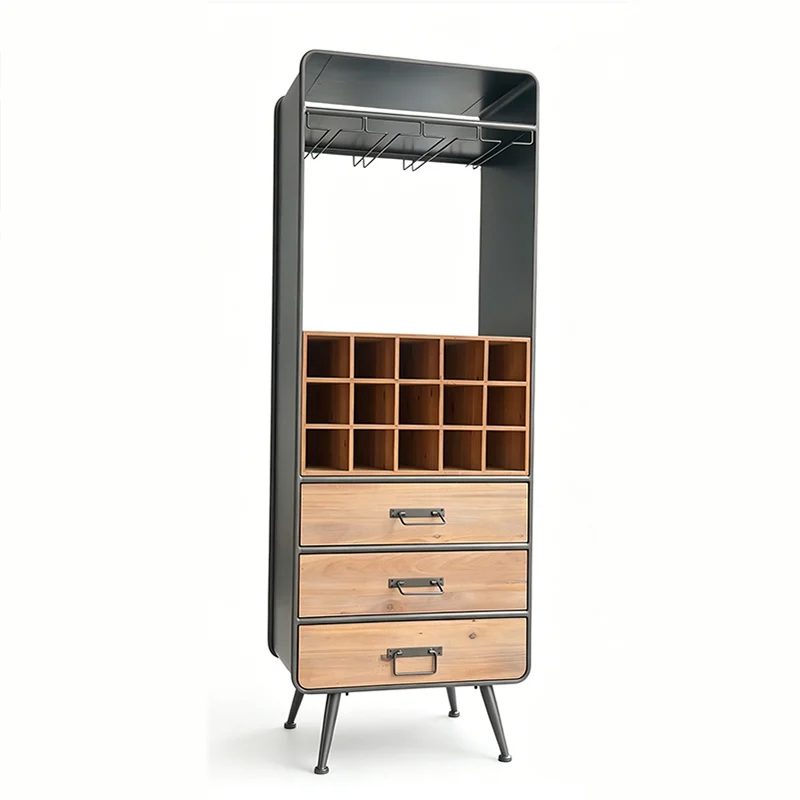
Custom retail shelving is becoming a core part of modern retail infrastructure that shapes how stores look, operate, and sell.
In 2026, custom retail shelving is evolving toward modular, smart, and sustainable systems that help retailers adapt faster to changing product cycles, reduce store costs, and improve customer experience.
Today’s retailers want custom store shelving solutions that support branding, improve space efficiency, and meet sustainability standards. As a result, demand for bespoke retail shelving and modular retail display shelving is growing quickly across supermarkets, chain stores, and global retail brands.
This shift is driven by three clear forces: faster retail cycles, rising ESG requirements, and the need for more flexible store layouts.
Key Takeaways
- Custom retail shelving is shifting from static fixtures to modular systems
- Sustainability is now a baseline requirement in retail procurement
- Smart and flexible shelving improves store efficiency and layout speed
- Retailers prefer tailored and scalable display solutions over standard racks
- 2026 shelving design focuses on adaptability, branding, and performance
What Is Custom Retail Shelving in 2026?
Custom retail shelving in 2026 refers to tailor-made store shelving systems designed to match specific store layouts, product types, and brand needs.
Unlike standard shelving, custom retail shelving is designed for flexibility, branding, and performance. Retailers can adjust size, structure, and materials to fit different store environments, from supermarkets to fashion stores and specialty retail spaces.
Today, most custom store shelving solutions are built as modular systems. This means they can be reconfigured, expanded, or moved easily as store layouts change.
Another key shift is the focus on brand identity. Bespoke retail shelving is often designed to match the visual style of a store. Materials, colors, and structure are chosen to reflect the brand image and improve product presentation.
At the same time, functionality is a major driver. Many systems now support flexible retail shelving and adjustable store display systems, which improve space use and make products easier to access and organize. This is especially important for high-SKU environments like supermarkets and chain stores.
Sustainability is also influencing design choices. More buyers now request custom commercial shelving made from recyclable metal, wood, or hybrid materials to meet ESG and long-term cost goals.
The Shift Toward Modular Retail Shelving Systems
Unlike traditional fixtures, modular systems are designed to be flexible. They can be reconfigured, expanded, or moved without replacing the whole structure.
One major driver is speed. Retailers now update product displays more often due to promotions, seasonal demand, and supply changes. Modular systems allow fast layout changes without long store downtime.
Another key benefit is space optimization. Modern stores need to use every square meter effectively. Flexible retail shelving helps improve product visibility and supports better customer flow. It also allows retailers to adjust shelving height and structure based on different product categories.
Simplicity is also important. Many new systems are built with easy assembly and standardized components. This reduces installation time and makes it easier for multi-location retailers to keep store layouts consistent.
At the same time, modular shelving supports long-term scalability. Businesses can start with a basic setup and expand it over time. This is especially useful for growing retail chains that need consistent but adaptable store systems.
Sustainability also plays a role. Modular designs reduce material waste because components can be reused. This aligns with the growing demand for custom commercial shelving that supports ESG goals and long product lifecycles.
Sustainability as a Core Requirement in Custom Shelving
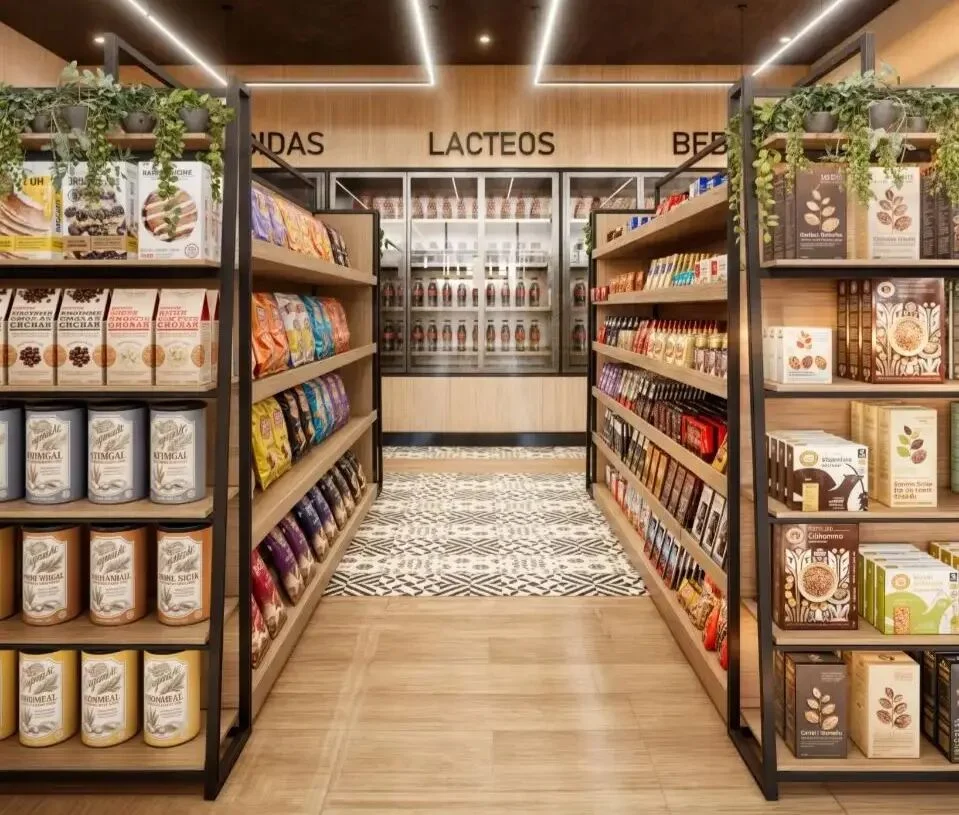
Retailers expect custom retail shelving to meet ESG standards, reduce waste, and support long-term environmental goals.
Eco-Friendly Materials Are Becoming Standard
Modern custom store shelving solutions now use more sustainable materials. These include recycled metal, FSC-certified wood, and low-emission coatings.
Many brands also choose custom commercial shelving made with recyclable components. This allows parts to be reused or replaced instead of fully discarded. As a result, shelving systems last longer and create less waste.
Reusability and Long Lifecycle Design
Retailers prefer bespoke retail shelving that can be repaired, updated, or reconfigured over time.
This reduces the need for full fixture replacement during store upgrades. It also supports circular design thinking, where materials stay in use as long as possible.
ESG Pressure from Global Retail Buyers
Large retailers and supermarket chains are under increasing ESG pressure. Because of this, demand for custom shop display shelving and custom retail shelving systems that support green certification is growing quickly. Buyers prefer suppliers who can show responsible sourcing and production practices.
Lower Waste Through Modular and Hybrid Design
Flexible retail shelving reduces waste because components can be reused across different store layouts.
Hybrid systems that combine metal and wood also help reduce material consumption while keeping strength and visual quality.
Smart Retail Shelving and Digital Integration
Retailers are combining custom retail shelving with digital tools to improve accuracy and efficiency. This shift is especially strong in supermarkets and large retail chains where product turnover is fast and inventory control is critical.
IoT-Enabled Shelving Systems
Many stores are now using IoT-based shelving solutions. These systems can track product levels and shelf status automatically. Sensors inside shelves send real-time data to store management systems.
This helps reduce manual checks and improves stock accuracy. It also supports faster restocking decisions, especially in high-traffic retail environments.
Digital Price Tags and Real-Time Updates
Another major change is the use of electronic shelf labels. These digital price tags allow retailers to update prices instantly across the store.
Instead of replacing paper tags, staff can change pricing through a central system. This improves speed and reduces human error. It also supports dynamic pricing during promotions and seasonal campaigns.
Some systems are now linked directly to POS and inventory platforms.
Data-Driven Store Optimization
Smart shelving also helps retailers understand customer behavior. Data from shelves can show which products are moving faster and which areas of the store get more traffic.
This allows better product placement and improves store layout decisions. Over time, retailers can adjust shelving setups based on real performance data.
Integration with Smart Retail Systems
Modern custom retail shelving systems are now part of larger digital ecosystems. They connect with inventory software, warehouse systems, and even AI-based store planning tools.
This creates a more connected retail environment where shelves are not isolated units but part of a full store intelligence system.
Material Innovation in Custom Retail Shelving
Retailers are no longer choosing materials based only on cost or appearance. They now focus on durability, sustainability, and long-term performance.
Metal Remains the Core Material
Metal is still the most widely used material in custom commercial shelving. Steel and aluminum are preferred because they offer high strength and long service life. These materials support heavy loads, making them ideal for supermarkets and high-traffic retail stores.
At the same time, manufacturers are improving metal treatments. Anti-rust coatings and powder finishes help extend shelf life and reduce maintenance needs.
Growing Use of Wood and Engineered Materials
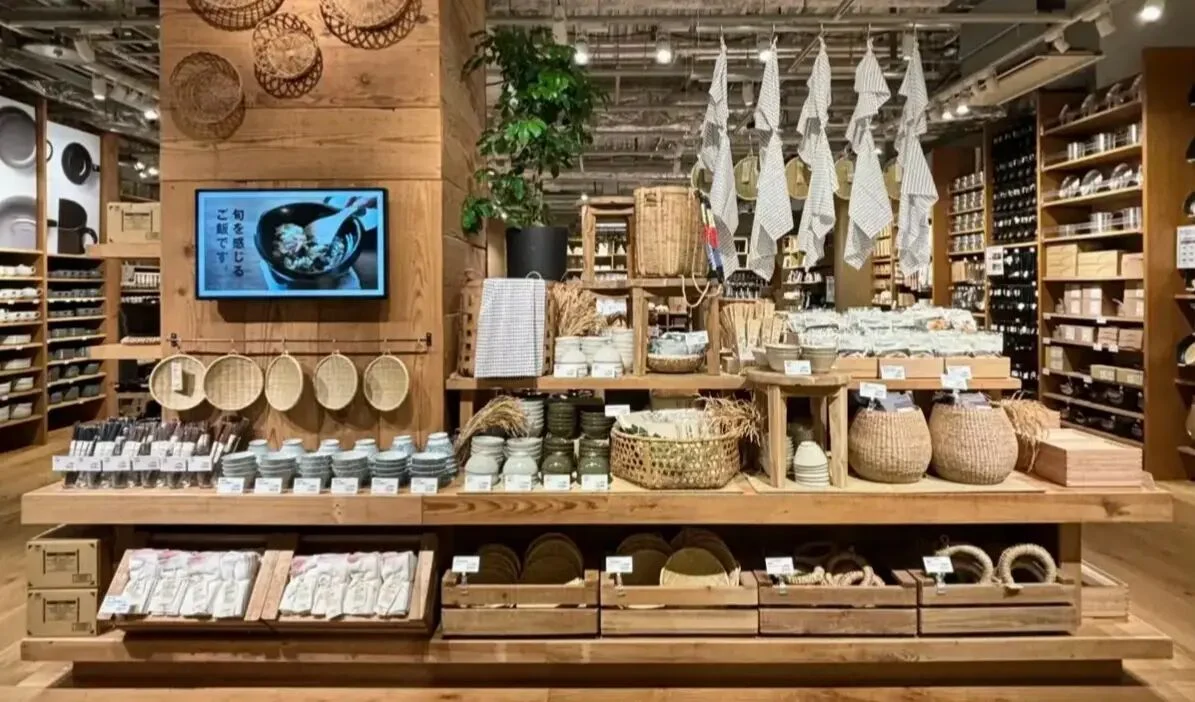
Wood is becoming more common in bespoke retail shelving design. It is often used to create a warmer and more premium store look. Engineered wood is especially popular because it is more stable and cost-efficient than solid wood.
Retailers use wood-based systems in fashion stores, lifestyle shops, and boutique environments where visual experience matters.
Hybrid Materials for Better Balance
These combine metal frames with wood or composite panels. This structure improves both strength and design flexibility.
Hybrid custom shop display shelving allows retailers to balance durability with brand styling. It also supports faster customization for different store concepts.
Sustainable Material Choices
Many custom store shelving solutions use recycled metal, FSC-certified wood, and low-impact coatings.
These materials help reduce environmental impact and support ESG requirements. They also improve long-term value by extending product lifecycle and reducing replacement needs.
Lightweight and Recyclable Components
Retailers are also exploring lightweight materials. These reduce shipping costs and make installation easier.
In addition, recyclable components are becoming more common in flexible retail shelving systems. This allows stores to replace or upgrade parts instead of replacing entire shelving units.
How Retailers Are Redesigning Store Layouts in 2026
In 2026, retailers are shifting to flexible and data-driven designs powered by custom retail shelving and modular fixture systems.
Store layout is now seen as a tool to improve sales. Retailers redesign stores to guide customer movement, improve product visibility, and adapt quickly to changing demand.
Layouts Are Becoming More Flexible and Modular
One of the biggest changes is the move toward modular retail shelving systems. These systems allow stores to change layouts without full renovation.
Retailers now prefer flexible retail shelving that can be moved or adjusted based on promotions, seasons, or product updates. This reduces downtime and keeps stores active during changes.
Modular design also helps large chains maintain consistency across locations while still allowing local adjustments.
Store Flow Is Now a Core Design Focus
Retailers are paying more attention to how customers move inside the store.
Custom store shelving solutions are used to guide this movement. Shelves are placed to highlight key products and reduce confusion during shopping.
Product Zoning Is More Strategic
Modern layouts use clear product zones. Related items are grouped together to increase convenience and encourage cross-selling.
Custom gondola shelving and adjustable store display systems are often used to support these zones. They allow retailers to change product placement without replacing full fixtures.
Technology Is Influencing Layout Decisions
Retailers are now using data to design better layouts. Sales data, traffic patterns, and inventory insights help decide where products should go.
In advanced stores, layout planning is even supported by AI tools that simulate customer movement. This makes custom retail shelving systems part of a larger digital planning process.
Why Custom Retail Shelving Is Becoming a Competitive Advantage
Faster Store Adaptation Creates Business Advantage
Retail markets change quickly. Product lines, seasons, and promotions shift often. Custom store shelving solutions help retailers adjust layouts without rebuilding the whole store.
Stores can update displays in hours instead of days. This leads to less downtime and more selling time.
Better Space Use Improves Sales Performance
Well-planned custom retail shelving systems help stores use every area more effectively.
Products become easier to see and access. This improves customer flow and increases product exposure. As a result, retailers often see better conversion rates compared to fixed shelving setups.
Stronger Brand Identity in Physical Stores
Retailers also use shelving to build brand identity. Bespoke retail shelving allows full control over design, color, and structure.
This creates a more consistent store image. It also helps brands stand out in crowded retail environments. A strong visual identity can influence customer trust and purchase decisions.
Lower Long-Term Operating Costs
Although custom systems may cost more at the start, they reduce long-term expenses. Flexible retail shelving can be reused, adjusted, or expanded without full replacement.
It also supports longer product lifecycles, which improves overall return on investment.
Data and Technology Improve Decision-Making
Modern retail is becoming more data-driven. Smart layouts and connected systems help retailers understand how customers move and shop in-store.
In advanced retail systems, shelving is linked to inventory and sales data for faster decisions.
Future Outlook of Custom Retail Shelving (2026 and Beyond)
The future of custom retail shelving is moving toward more connected, flexible, and intelligent systems.
Fully Modular Store Ecosystems Will Expand
In the coming years, modular retail shelving systems will become the default choice for most retailers. Stores will be built as flexible environments where every unit can be moved or adjusted.
Smart Shelving Will Become Standard
Custom retail shelving systems will increasingly include sensors, digital tags, and real-time tracking tools.
These smart systems will help retailers manage inventory with higher accuracy. They will also improve pricing updates and product placement decisions.
Sustainability Will Move from Trend to Requirement
Sustainability will become a baseline requirement for all custom store shelving solutions.
Retailers will continue to shift toward recyclable materials, low-impact production methods, and long-life designs. Custom commercial shelving will need to support ESG goals as a standard feature.
Store Design Will Focus on Flexibility First
Future store layouts will be built around change. Retailers will prioritize systems that can support frequent updates without disrupting operations.
Flexible retail shelving will allow stores to adjust quickly to new products, promotions, and customer behavior. This flexibility will also help retailers test new layouts with lower risk.
Customization Will Become More Advanced
Customization will go beyond size and material. It will include structure, function, and even digital integration.
Bespoke retail shelving will be designed for specific store goals, such as improving product flow, increasing visibility, or supporting brand storytelling.
Retail Spaces Will Become More Data-Driven
Shelving systems will connect with sales systems, customer analytics, and supply chain platforms.
This will help retailers make faster and more accurate decisions.
FAQ: 2026 Custom Retail Shelving Trends
What is custom retail shelving?
Custom retail shelving refers to shelving systems designed specifically for a store’s layout, product type, and branding needs. It is flexible and can be adjusted for different retail environments.
What is the difference between custom and standard shelving?
Standard shelving has fixed sizes and limited flexibility. Custom retail shelving can be designed, adjusted, and expanded based on store requirements.
What materials are used in custom retail shelving?
Common materials include metal, engineered wood, and hybrid structures. Many modern systems also use recyclable and eco-friendly materials.
Is modular shelving part of custom retail shelving?
Yes. Modular systems are a key part of custom retail shelving. They allow stores to change layouts quickly without replacing full structures.
How does custom shelving improve store performance?
It improves product visibility, customer flow, and space efficiency. It also helps retailers adapt faster to promotions and seasonal changes.
Conclusion
Custom retail shelving has become a key part of modern retail strategy.
Across the industry, we see a clear shift toward modular design, sustainable materials, and digital integration. Retailers now expect shelving systems to adapt quickly, reduce operational cost, and improve customer experience. At the same time, custom retail shelving is helping brands create stronger store identity and better space use.
Retailers are choosing custom commercial shelving that supports reuse, recycling, and long product life cycles.
Finally, smart technology is turning shelving into a connected part of the retail ecosystem. From inventory tracking to real-time updates, custom retail shelving systems now play a role in store intelligence, not just physical design.
If you are planning to upgrade your retail space, DAHO provides fully custom retail shelving solutions designed for modern supermarkets, chain stores, and global retail brands. Contact us to build a more flexible, sustainable, and future-ready store system.

Ivy is a shelving specialist at DAHO, a supermarket shelving manufacturer in China. She shares practical knowledge on retail shelving design, metal and wood fabrication, and store display systems. She helps global retailers and wholesalers understand shelving structures and choose the right factory solutions.