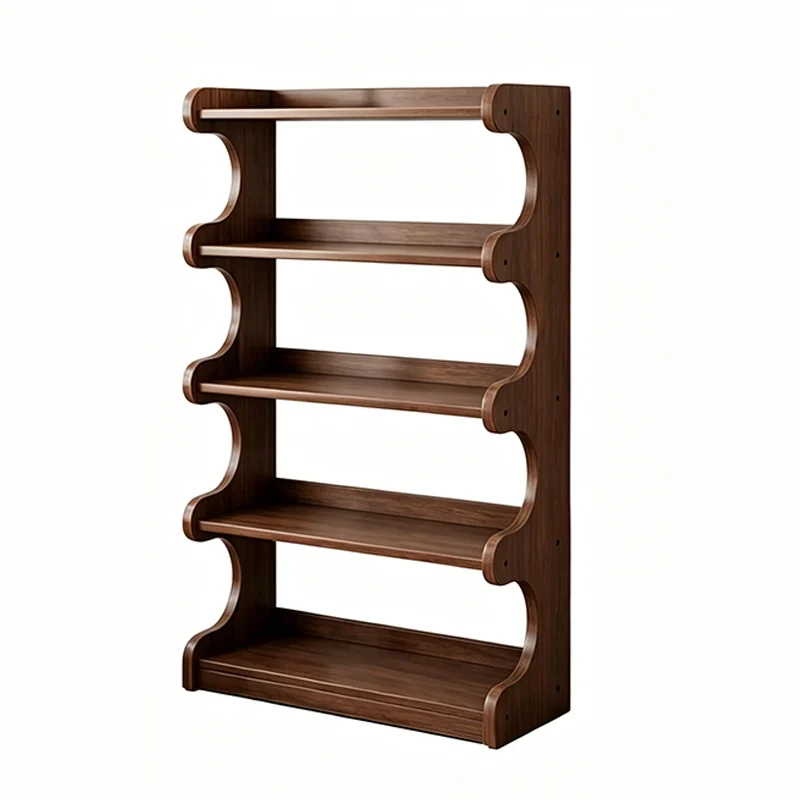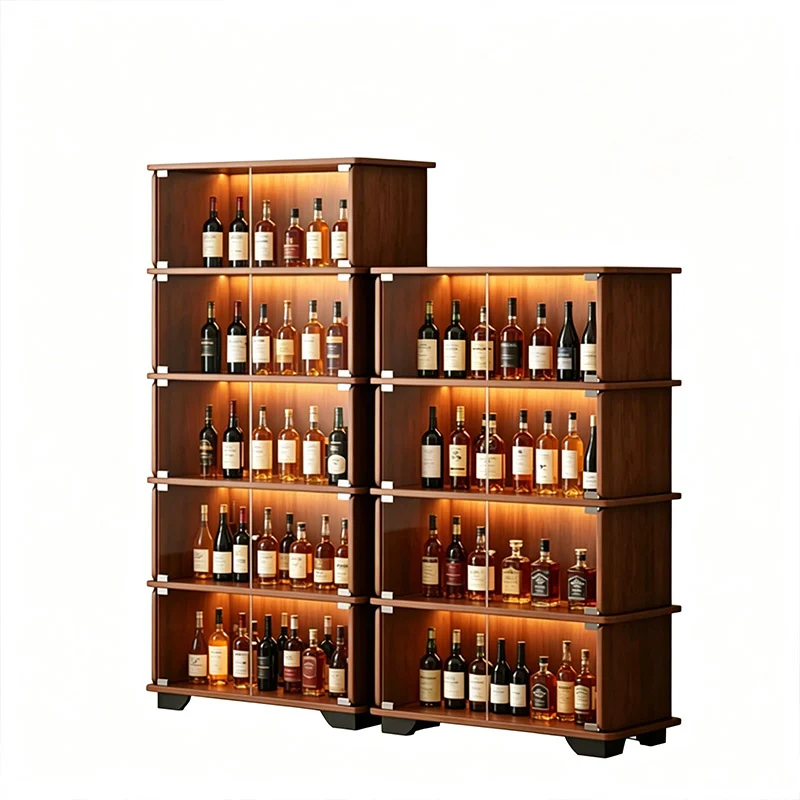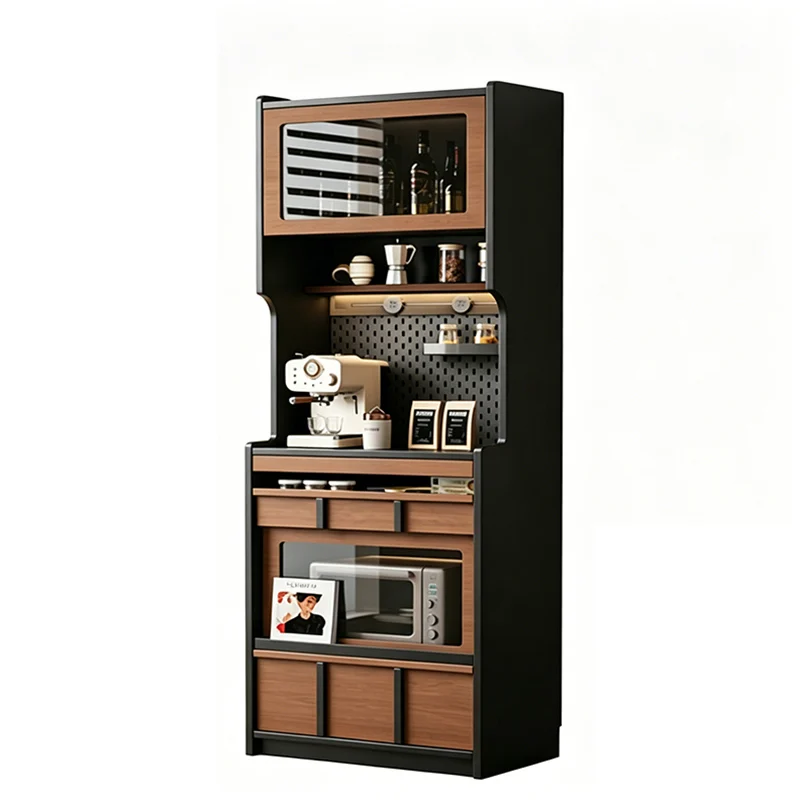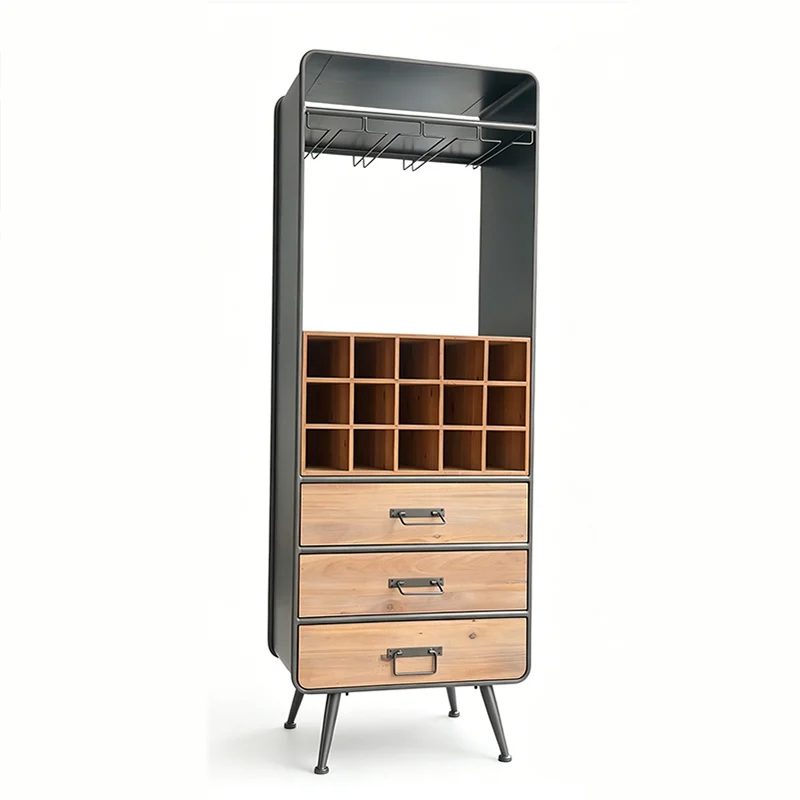
The right cosmetic store display design doesn’t just look good, it drives impulse purchases that account for over 60% of all beauty retail transactions.
The science of effective cosmetic store display design is surprisingly learnable. Small adjustments, like repositioning a makeup display stand by two feet, switching to custom acrylic cosmetics displays with strategic lighting, or adding a single sampling mirror, can lift category sales by 15 to 30 percent within weeks.
In this article, I break down seven cosmetic store display strategies that leading beauty brands use to turn casual browsers into impulse buyers. Each strategy includes a real-world brand example and an actionable tip.

Key Takeaways
- Over 60% of beauty purchase decisions happen at the shelf, strategic cosmetic store display design turns passive browsing into active impulse purchasing.
- Eye-level placement, color psychology, and interactive sampling are the three highest-ROI display strategies.
- Multi-tiered acrylic fixtures maximize vertical space, fitting 40 to 60 percent more SKUs in the same footprint.
- Seasonal display refreshes drive repeat visits. Plan a minimum quarterly update cadence. Simple graphic and prop changes achieve most of the freshness impact at low cost.
- Acrylic outperforms glass and metal for beauty retail: 92 percent light transmittance, lighter weight, better durability, and lower cost.
- Custom fixtures from an experienced shelving manufacturer create brand-differentiating retail environments that off-the-shelf products cannot match. Factory-direct sourcing eliminates middleman markups.
Strategy #1: How Does Strategic Shelf Placement Trigger Unplanned Beauty Purchases?
Where you place your cosmetic store display matters more than what you put on it.
The psychology is straightforward. The eye-level hot zone, roughly 1.2 to 1.5 meters from the floor, is where shoppers naturally look first. Products placed at this height receive up to 35% more visual attention than items on bottom shelves.
Equally powerful is the checkout impulse strip. When customers stand in line, they are in a receptive, slightly impatient state. Small, affordable items like travel-sized skincare, lip balms, and sheet masks placed on checkout-adjacent retail makeup stands consistently outperform the same products located three aisles away.
Brand example: Sephora’s queue-area mini product wall is a masterclass in checkout-zone merchandising. Narrow acrylic shelves line the winding queue path, displaying trial-sized bestsellers at hand height. The result is customers browsing with their hands while waiting, and Sephora converts queue time into add-on revenue.
Actionable tip:
•Place your highest-margin SKUs in the eye-level zone (1.2 m to 1.5 m)
•Install checkout-zone impulse strips with items under $15
•Use cross-category adjacency — pair makeup brushes next to foundations, not three aisles apart
Strategy #2: Why Does Color Psychology Matter in Cosmetic Store Display Design?
Color is not decoration. It is a purchasing shortcut. Studies from the Color Marketing Group indicate that up to 85% of shoppers cite color as a primary reason for choosing one product over another. In a cosmetic store display context, color groupings reduce the cognitive load of browsing and accelerate decision-making.
Warm tones (reds, oranges, hot pinks) trigger excitement and urgency, making them ideal for youth-oriented beauty brands and limited-edition collections. Cool tones (whites, blues, soft greens) signal calm and clinical credibility, which is why premium skincare brands overwhelmingly use them.
The key is consistency. A cosmetic store display that uses a cohesive three-color palette — one dominant, one complementary, one accent — looks intentional and premium.
Brand example: NYX Professional Makeup uses neon-lit makeup bars with bold, color-blocked sections to attract Gen Z shoppers. Each product category gets its own distinct color zone, creating visual navigation that feels like exploration. On the opposite end, Dior’s fragrance displays use a strict black-white-gold palette with marble and glass materials, every element signals luxury and restraint.
Actionable tip:
•Limit each display zone to three colors (dominant + complementary + accent)
•Use warm tones for impulse-driven categories (lipsticks, nail polish) and cool tones for considered purchases (serums, moisturizers)
•Replace competing brand signage with unified, category-level visual cues
Strategy #3: How Do Interactive Sampling Stations Convert Browsers Into Buyers?
Touch is the closest thing to ownership in retail. The endowment effect shows that people value items more highly once they feel a sense of ownership over them. In beauty retail, letting a shopper hold, swatch, or apply a product creates that psychological bridge instantly.
Industry data supports this. Shoppers who physically interact with a product are approximately 2.8 times more likely to purchase it than those who only look. Sampling stations on skincare display counters and makeup display stands reduce the perceived risk of trying an unfamiliar brand.
The most effective sampling stations integrate three elements: a mirror, good lighting, and visible hygiene supplies — disposable applicators and alcohol sprays visible to the customer.
Brand example: Benefit Cosmetics’ Brow Bar concept transformed what could have been a passive shelf into an experience-led conversion engine. Customers sit down for a quick brow consultation, and during those three minutes, they touch, test, and bond with products. The result is a conversion rate far higher than any static cosmetic store fixture.
Actionable tip:
•Install a sampling mirror with dedicated task lighting on every category display
•Use transparent hygiene stations — visible cleanliness builds trust
•Start small: a single tester + mirror + disposable applicator set costs under $50 but can lift SKU sales by 10 to 20 percent
Strategy #4: What Role Does Lighting Play in Luxury Beauty Display Effectiveness?
Lighting is not about brightness, it is about directing attention. In a well-designed luxury beauty display, lighting functions as an invisible salesperson, guiding the customer’s eyes to the products with the highest margin.
Three layers of lighting work together. Ambient lighting sets the overall mood of the store. Accent lighting (typically three to five times brighter than ambient) spotlights featured products on custom cosmetic counters and luxury beauty displays. Task lighting illuminates areas where customers apply or inspect products, like mirrors and sampling stations.
For cosmetics specifically, light temperature matters enormously. Warm light (2700 K to 3000 K) enhances warm-toned makeup and makes skin appear healthier — ideal for foundation and blush displays. Cool light (4000 K to 5000 K) brings out the clarity of skincare packaging and reinforces a clinical, scientific brand positioning.
Brand example: Fragonard, the French perfume house, uses LED backlighting behind its perfume shelves to create a halo effect around each bottle. The backlit acrylic shelves make glass bottles appear to glow from within, it’s a visual cue that subconsciously communicates quality and luxury. Similarly, Chinese brand Proya uses blue LED accent strips on its skincare display counters to reinforce its technology-forward brand identity.
Actionable tip:
•Use three-layer lighting: ambient for mood, accent (3x brighter) for hero products, task for mirrors
•Choose 3000 K warm light for color cosmetics; 4000 K cool light for skincare and scientific positioning
•Retrofit existing cosmetic shop fittings with stick-on LED strips
Strategy #5: How Can Multi-Tiered Display Fixtures Maximize Small Retail Spaces?
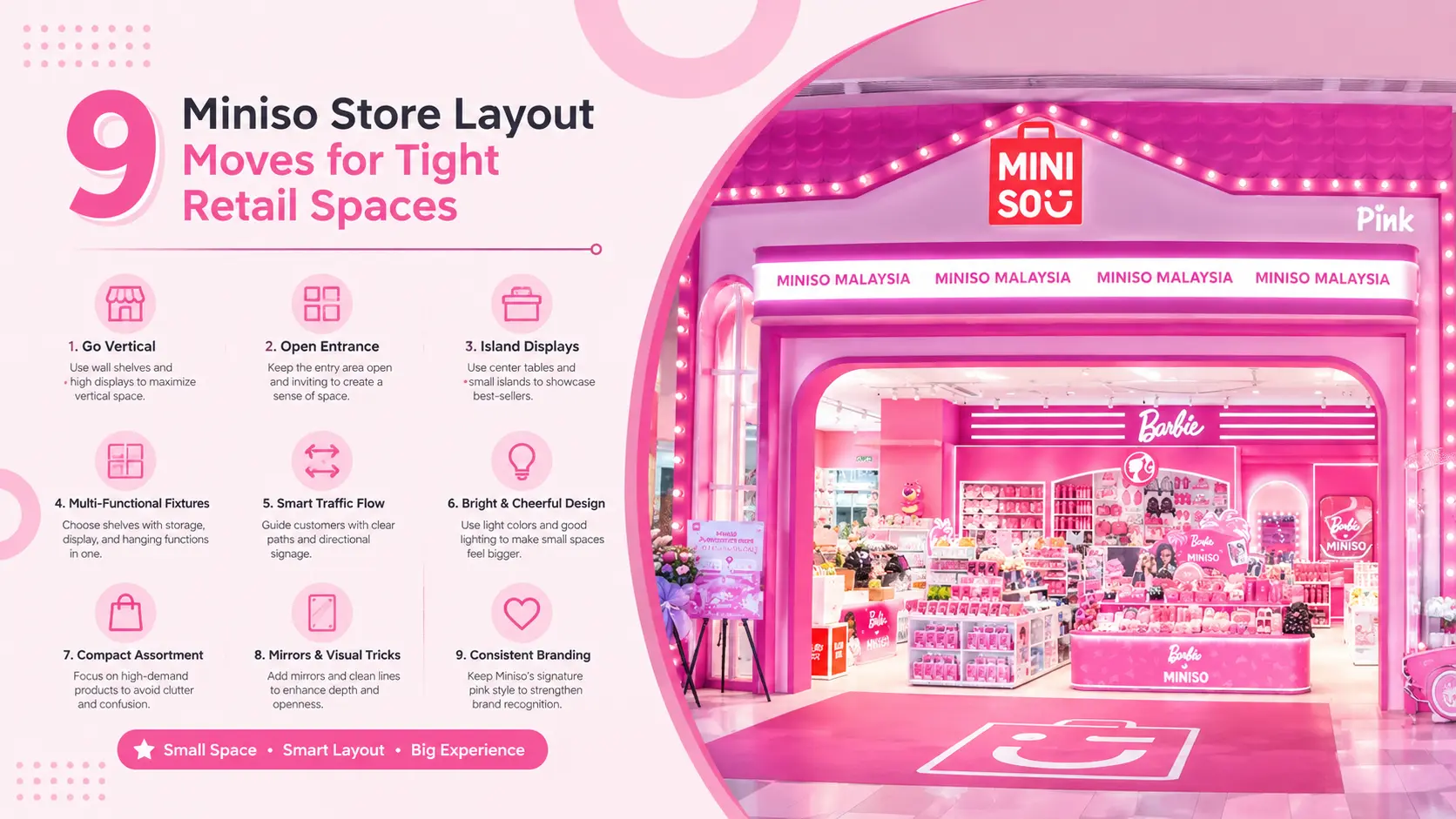
Square footage is expensive, but vertical space is free. Multi-tiered makeup display stands and cosmetic shop fittings let retailers display 40 to 60 percent more SKUs within the same floor footprint by stacking products upward rather than spreading them outward.
The science of vertical merchandising is about sight lines. Each tier of a display captures a different demographic: top shelves catch tall adults, middle tiers hit the universal eye zone, and bottom tiers work well for children and seated browsing. A well-designed three-tier to five-tier acrylic cosmetics display ensures no customer walks past without seeing something relevant.
For boutiques and small-format stores, modular multi-tiered fixtures are especially valuable. Units that can be reconfigured adapt to seasonal product mix changes without requiring new furniture investment.
Brand example: Watsons, Asia’s largest health and beauty chain, has mastered compact, multi-tiered acrylic display fixtures across thousands of small-format stores. Their standard gondola end-cap uses five graduated tiers, each shelf positioned to maximize product visibility without blocking the tier behind it.
Actionable tip:
•Use 5-tier units for ceiling heights above 2.7 m; 3-tier units for standard 2.4 m ceilings
•Arrange tiers by product price: premium at eye level, value on bottom, impulse on top
•Choose modular, adjustable fixtures so you can reconfigure without replacement costs
Strategy #6: Why Are Seasonal and Thematic Cosmetic Displays Critical for Repeat Visits?
Shoppers stop noticing static displays after approximately three visits. Seasonal refreshes reset that attention clock. When a beauty retail display changes, whether thourgh new colors, new props or new featured products, the brain treats it as new information worth exploring.
FOMO (fear of missing out) amplifies this effect. Themed, limited-time displays communicate scarcity and timeliness, two of the most reliable purchase triggers in consumer psychology. A Summer Essentials end-cap in June or a Holiday Gift Sets display in November converts at significantly higher rates than the same products on a year-round shelf.
The good news is that seasonal refreshes do not require a full display rebuild. Simple, low-cost interventions, like changing backdrop graphics, swapping color accents, adding themed props like dried flowers for spring or metallic ornaments for winter, could achieve 80 percent of the freshness impact at 20 percent of the cost.
Brand example: MAC Cosmetics runs a disciplined quarterly refresh cycle. Each season brings a new visual identity: bold red and gold for New Year, neon gradients for summer collections, and deep jewel tones with metallic accents for holiday gift sets. The consistent refresh cadence trains customers to check back regularly, turning display design into a repeat-traffic driver.
Actionable tip:
•Plan a minimum quarterly refresh schedule
•Budget 80/20: spend on lighting and structural fixtures once; reserve 20 percent of budget for seasonal graphics and props
•Announce refreshes on social media to drive store visits
Strategy #7: How Do Custom Acrylic Displays Enhance Perceived Product Value?
The material of your cosmetic store fixtures directly shapes how customers perceive your products. Acrylic offers a unique advantage over all other display materials: it delivers the transparency and premium feel of glass at a fraction of the weight and cost, with significantly better durability for high-traffic retail environments.
The optical properties alone justify the choice. Acrylic transmits 92 percent of visible light compared to 83 percent for standard glass. That extra nine percentage points of light transmission makes products appear brighter, more vibrant, and more valuable on the shelf.
Custom acrylic displays also enable brand-differentiating design that off-the-shelf fixtures cannot match. Logo-engraved panels, brand-color tinted sections, and precision-cut product compartments create a cohesive in-store identity that customers associate with quality and professionalism.
Actionable tip:
•Choose acrylic for products where visual appeal drives purchase (lipsticks, eyeshadows, perfumes)
•Request custom fabrication — off-the-shelf acrylic fixtures look generic; custom-cut compartments for your exact SKUs signal a premium brand
•Work with a shelving manufacturer that handles acrylic processing in-house to avoid middleman markups and ensure consistent quality
Material Comparison: Which Display Material Is Right for Your Store?
| Material | Light Transmittance | Durability | Weight | Cost | Best For |
| Acrylic | 92% | Scratch-resistant, shatter-proof | Light | $$ | High-end cosmetics, perfume counters, modern boutiques |
| Glass | 83% | Fragile, chips easily | Heavy | $$$ | Ultra-luxury fragrance displays, high-security showcases |
| Wood | Opaque | Durable; warps with humidity | Medium–Heavy | $$ | Natural/organic skincare brands, warm-aesthetic stores |
| Metal (Steel/Aluminum) | Opaque | Extremely durable; rust-resistant | Medium | $$ | High-traffic retail chains, industrial-look brands |
Recommendation: For most beauty retailers, acrylic delivers the best balance of aesthetics, durability, and cost. Glass should be reserved for flagship store hero displays. Wood and metal work well as accent materials but should not dominate unless they align directly with your brand identity.
FAQs About Cosmetic Store Display Design
Q1: What is the best material for luxury beauty displays?
Acrylic is the top choice for most luxury beauty retail displays. It offers 92 percent light transmittance, which makes products look more vibrant on the shelf. It is lighter, more durable, and more cost-effective than glass while delivering an equally premium visual appearance. For ultra-luxury flagship installations, glass combined with acrylic accents provides maximum prestige.
Q2: How often should I update my beauty retail displays?
At minimum, refresh major display zones quarterly. Seasonal updates keep the store feeling current and give repeat customers a reason to return. Smaller touchpoints like checkout-zone impulse strips can be rotated monthly with new product features.
Q3: What is the ideal height for retail makeup stands?
The optimal eye-level zone for makeup display stands is 1.2 to 1.5 meters (47 to 59 inches) from the floor. For multi-tiered units, place hero products at this height, premium items on the tier above, and value or bulk items on lower tiers. A well-designed tiered display captures all demographics — taller customers scan upward while shorter customers and children scan downward.
Q4: Can small stores afford effective skincare display counters?
Yes. Multi-tiered acrylic display fixtures maximize vertical space, letting a small store display 40 to 60 percent more products within the same footprint. Start with one or two modular units that can be reconfigured as your product mix evolves. Prioritize lighting upgrades over expensive millwork, a $50 LED strip upgrade often delivers more sales impact than a $500 custom cabinet.
Q5: Where can I source custom cosmetic store fixtures at factory-direct pricing?
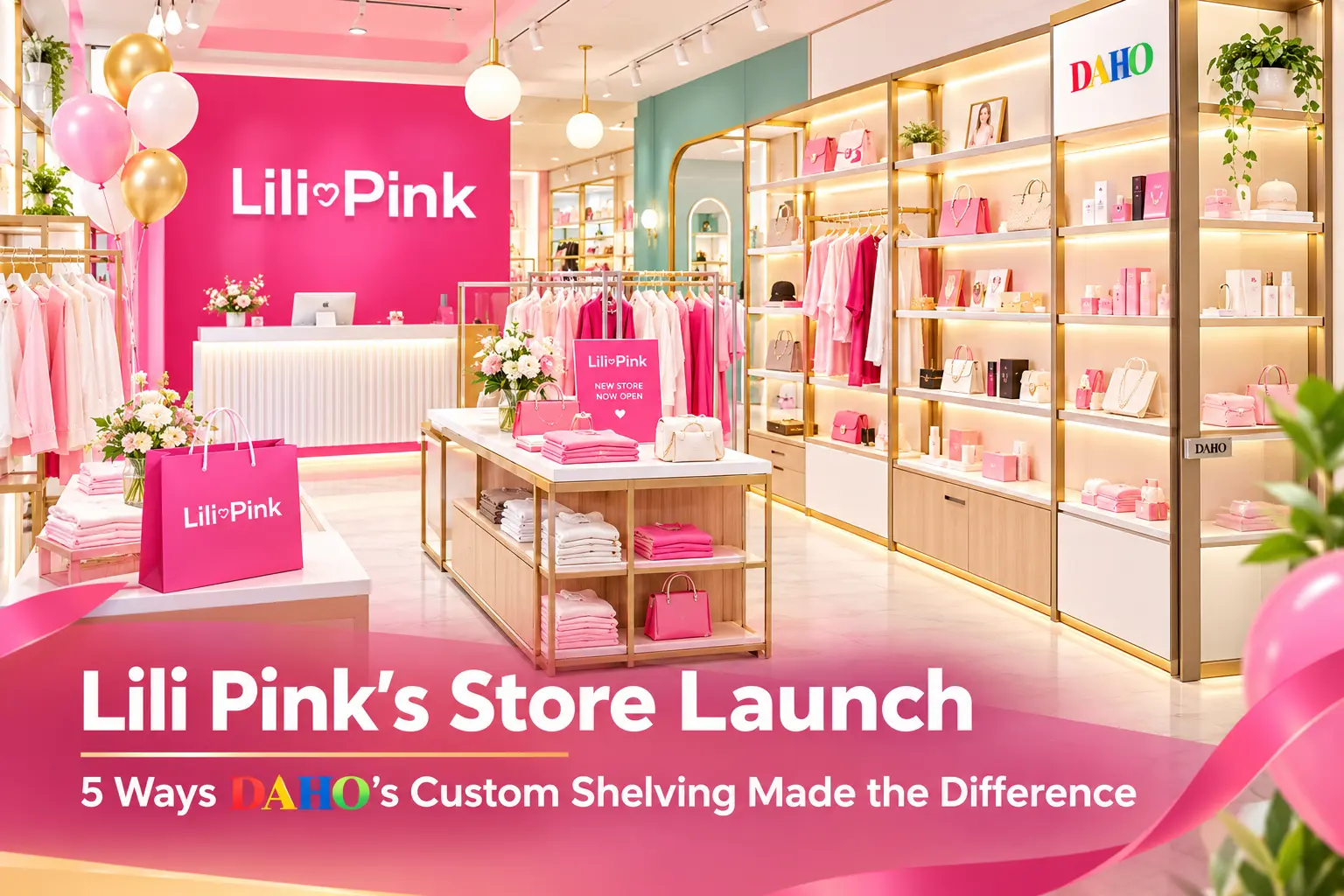
Look for manufacturers with in-house design, production, and quality control capabilities. DAHO, for example, has over 20 years of experience, a 40,000 square-meter factory, ISO-9000 certification, and 20+ patents. We provides factory-direct custom cosmetic store display solutions to retailers across the world.
Bring Your Cosmetic Store Display Vision to Life with DAHO
What sets DAHO apart:
✔20+ years of display manufacturing experience
✔30+ in-house product designers and engineers
✔20+ design and utility patents
✔10,000+ completed projects across North America, Europe, Latin America, the Middle East, and Southeast Asia
Whether you need a single custom cosmetics display for a flagship store or a full rollout of cosmetic store fixtures across a retail chain, DAHO delivers factory-direct quality at competitive pricing with reliable global logistics.
Ready to transform your beauty retail space? Contact our team or download our full catalog and request a free consultation.

Ivy is a shelving specialist at DAHO, a supermarket shelving manufacturer in China. She shares practical knowledge on retail shelving design, metal and wood fabrication, and store display systems. She helps global retailers and wholesalers understand shelving structures and choose the right factory solutions.