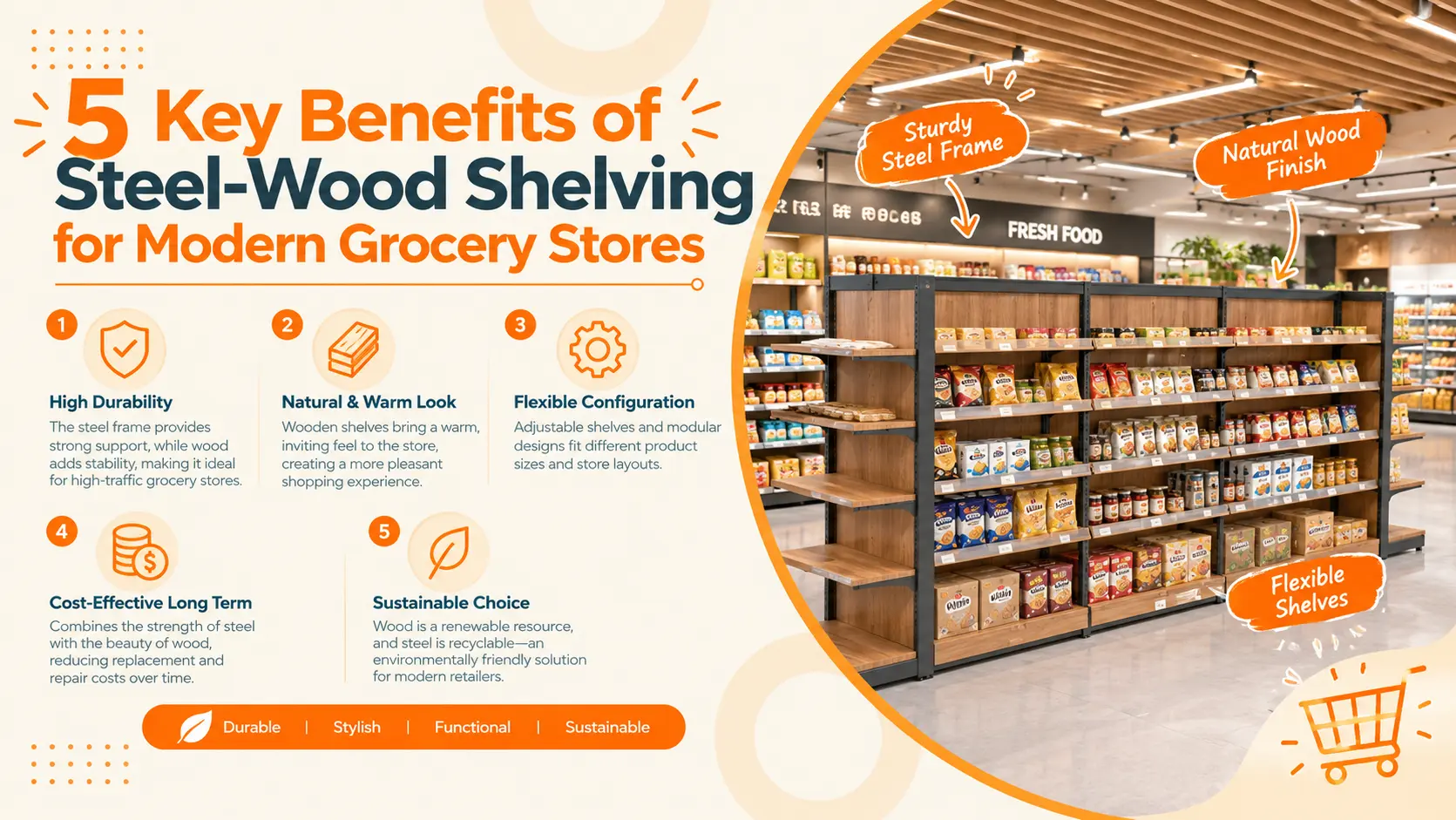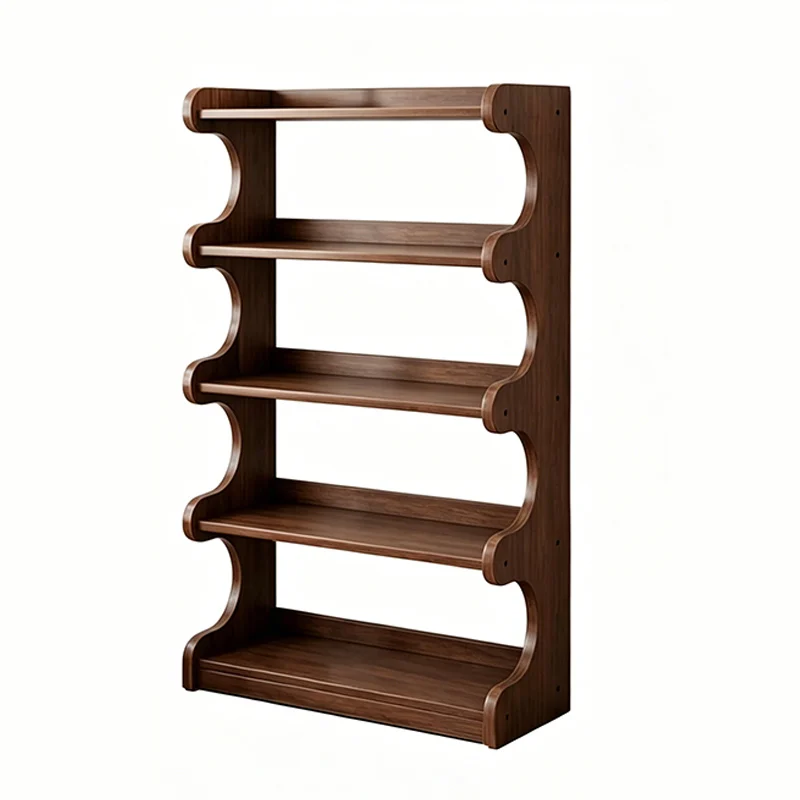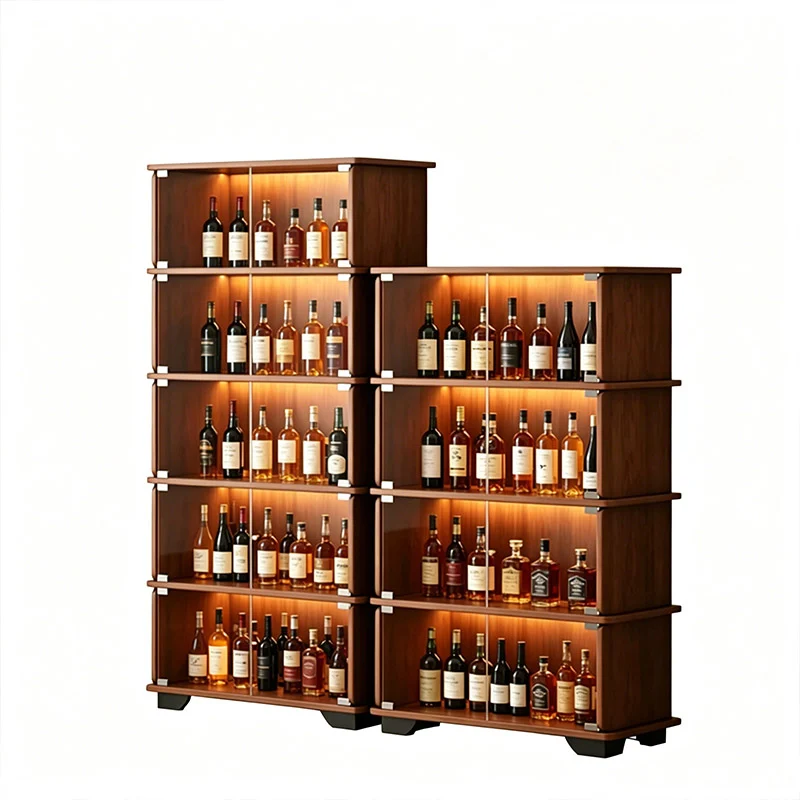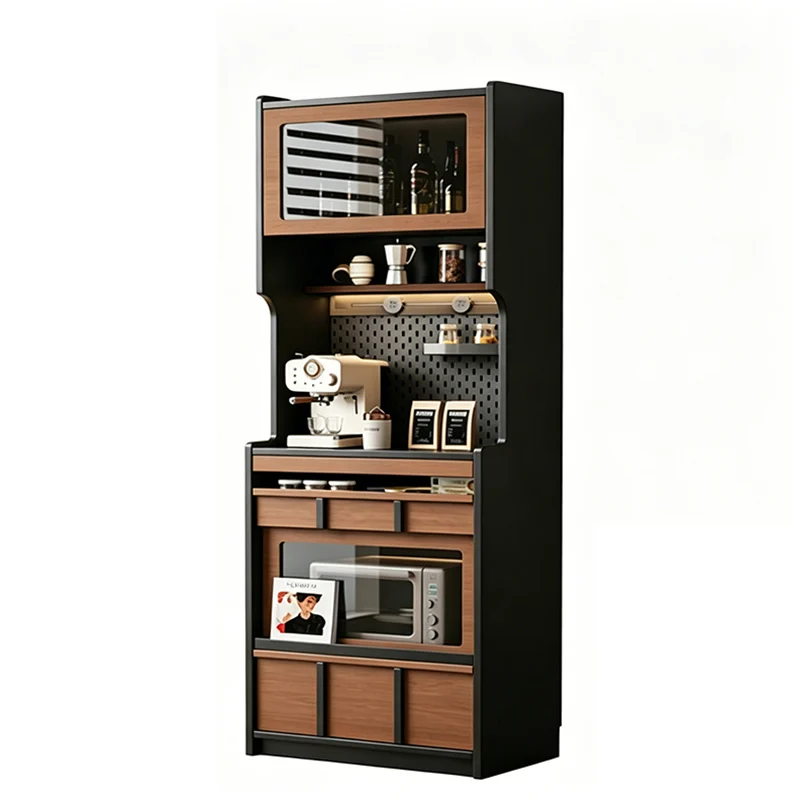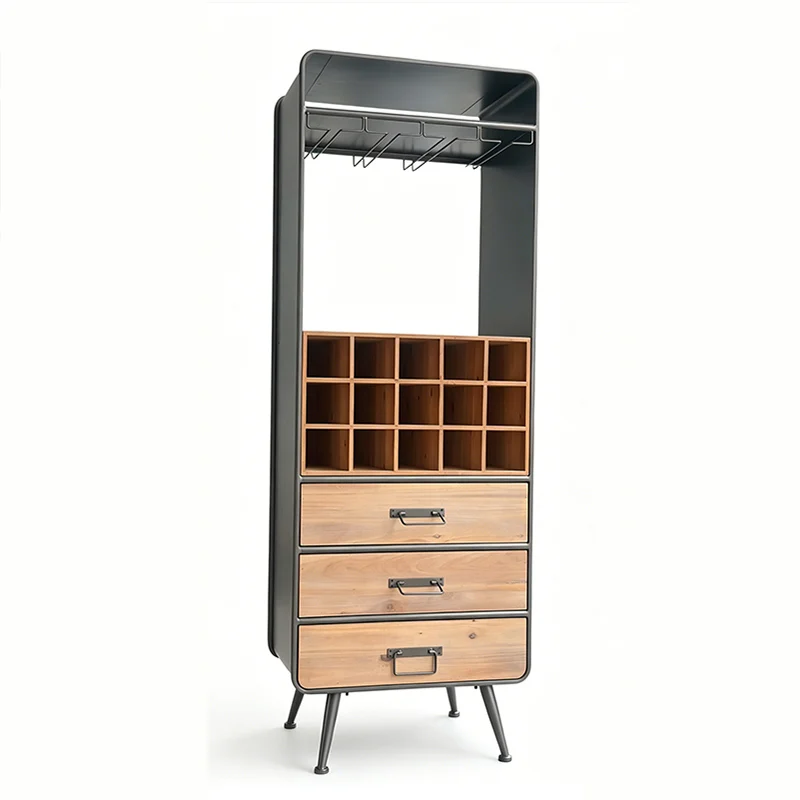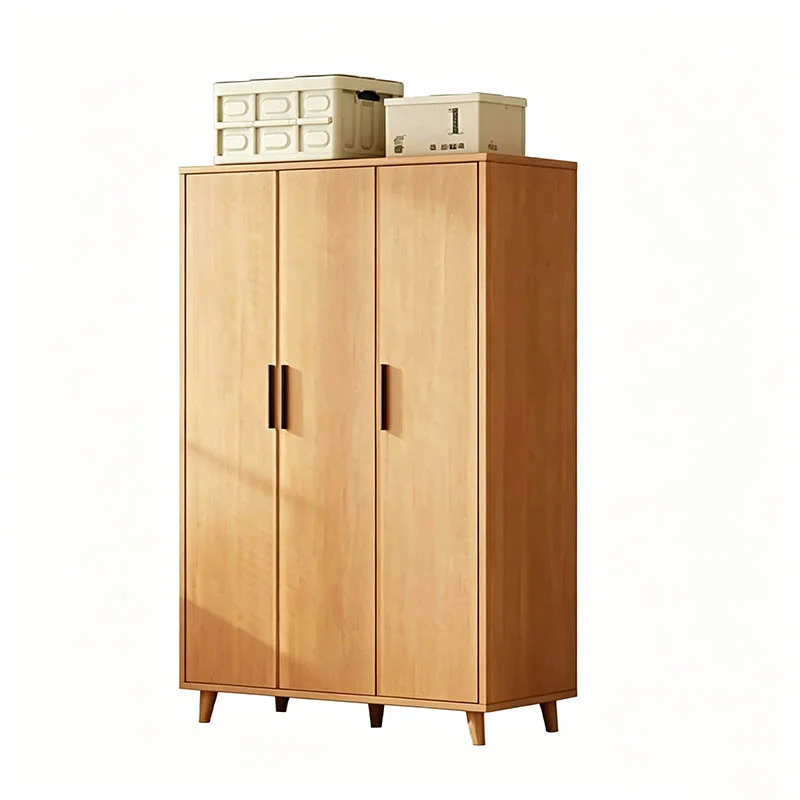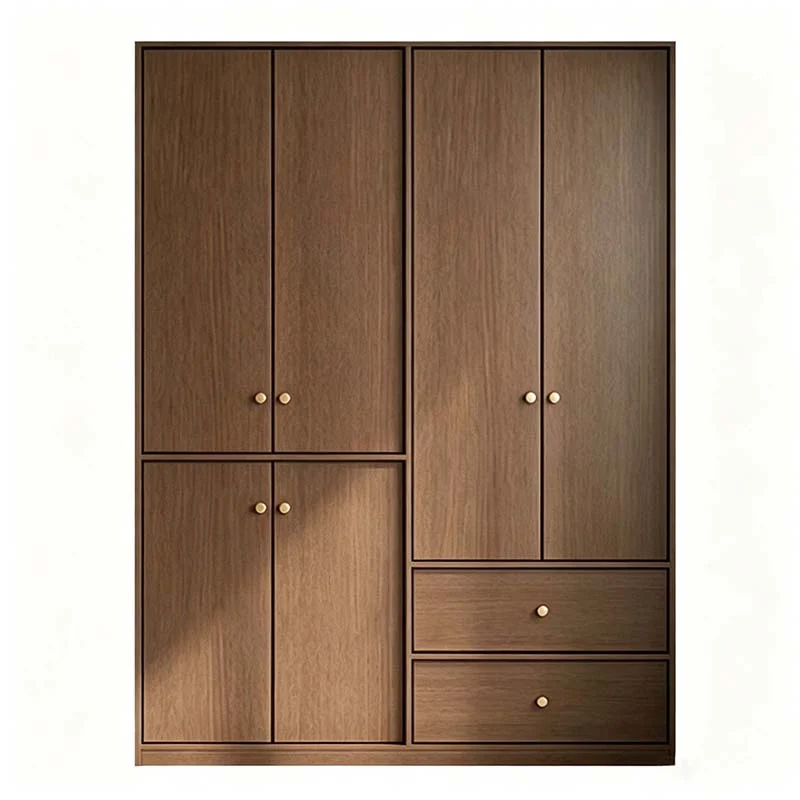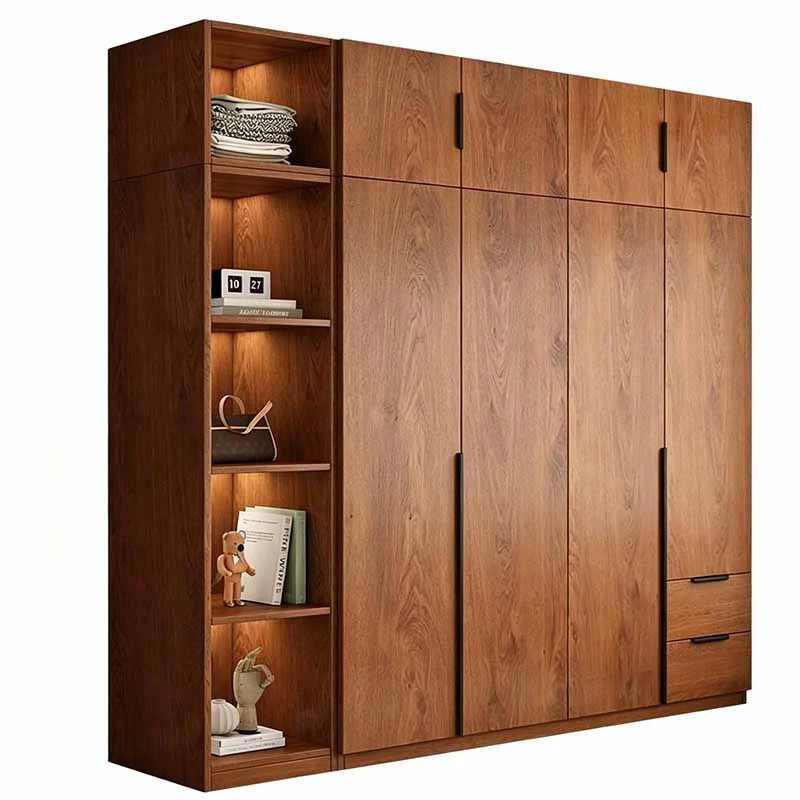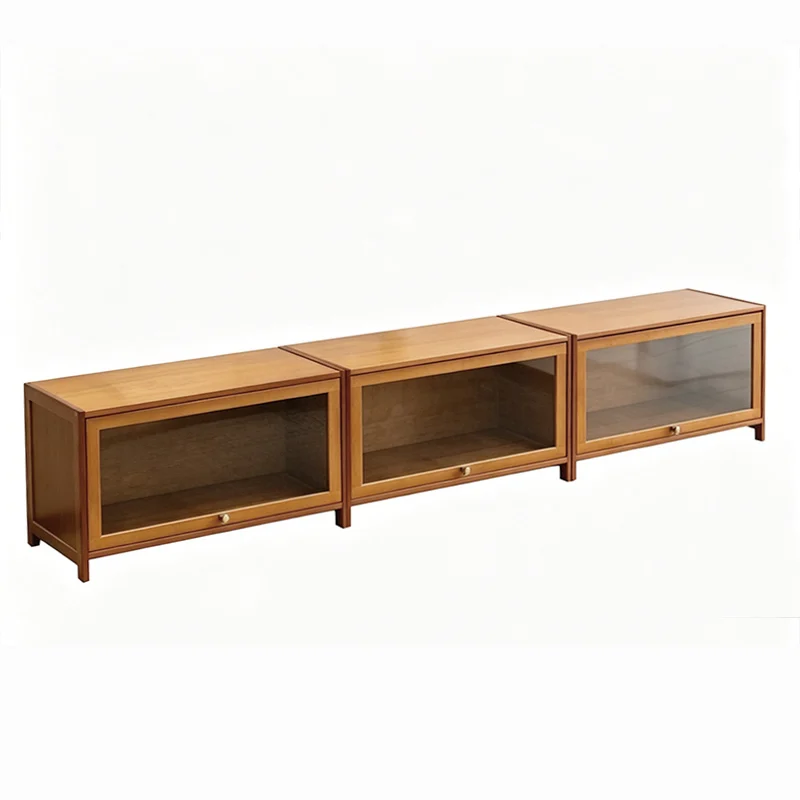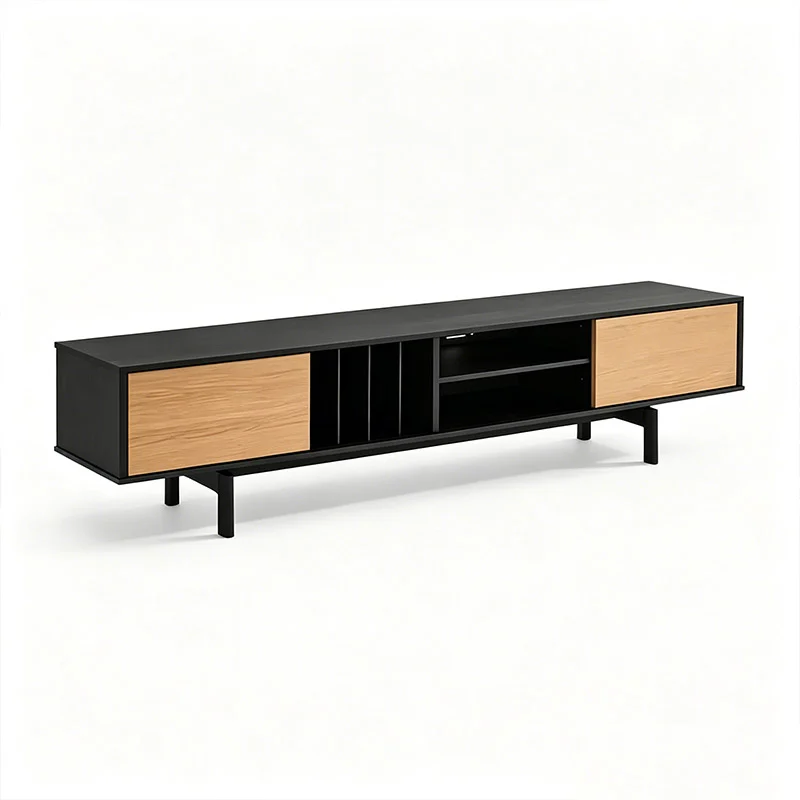
Steel-wood shelving lets a grocery store pair a metal frame with wood shelves, panels, or headers. The frame carries the structural role; the wood changes how the aisle feels. It can soften a run of standard fixtures without changing the whole store plan.
Looks alone won’t tell you whether a bay will work. Start with the product weight, shelf span, cleaning routine, and replenishment path. Then choose the finish and panel details.
Wichtige Erkenntnisse
- In common configurations, the steel frame supports the shelving while wood surfaces change its appearance.
- Adjustable shelves and compatible accessories make planogram changes easier to manage.
- Choose the substrate, edge seal, and coating for the department’s cleaning and moisture conditions.
- Reuse only pays off when replacement parts fit and remain available.
For the structural basics behind grocery bays, see DAHO’s gondola shelving guide.
1. How Does Steel-Wood Shelving Combine Strength With a Warmer Store Experience?

In a common configuration, steel uprights, brackets, beams, and connectors make up the frame. Wood-based parts form the shelf deck, back panel, header, or edge detail. That division lets buyers specify the structure and appearance separately.
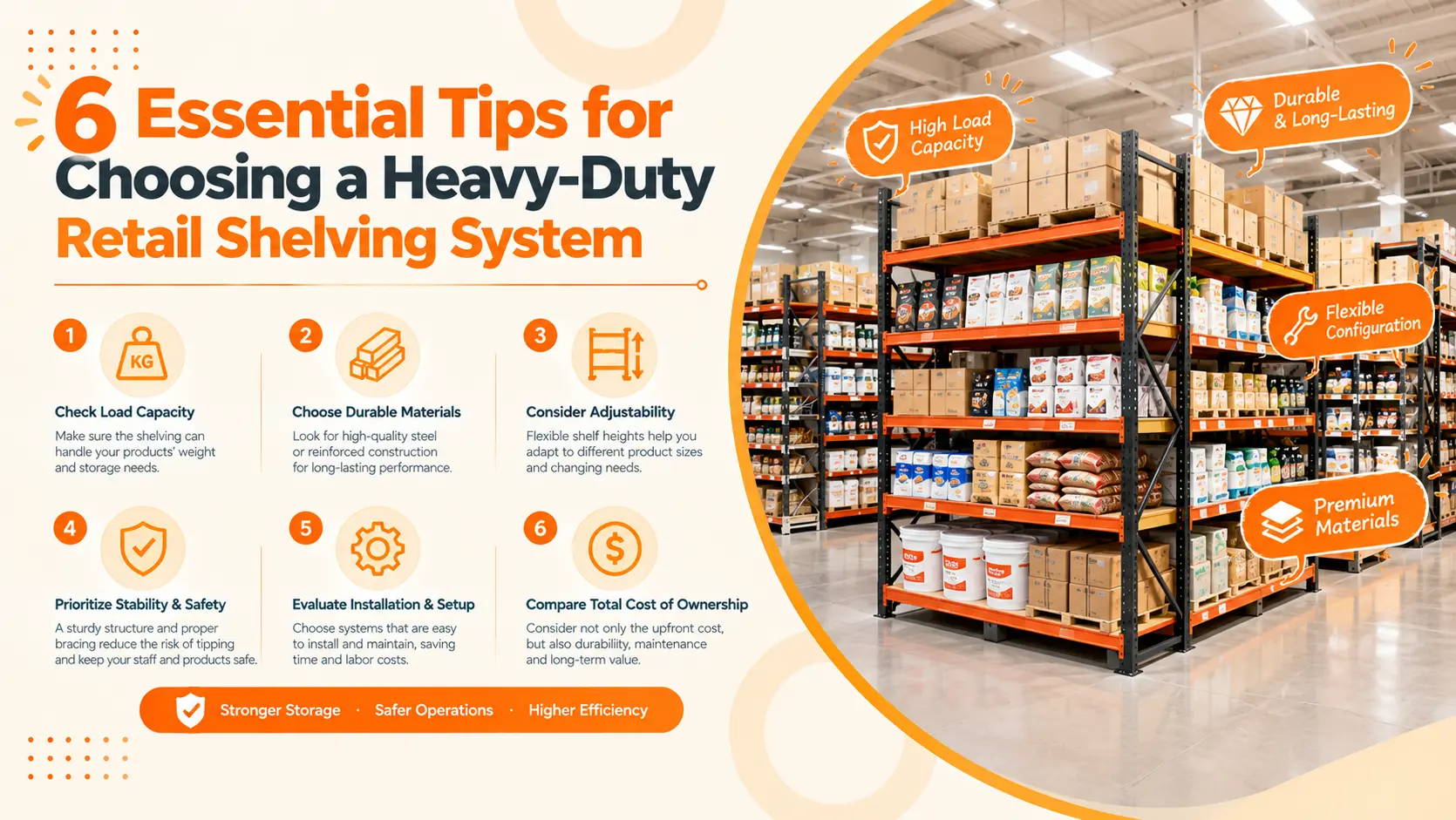
Start with the load path. Check the steel section, shelf span, supports, connectors, and anchoring. Ask for capacity by shelf, along with the test conditions. A total-bay rating won’t tell you whether one deck can carry beverage cases or bulk packs.
Specify the wood parts just as carefully. Is the substrate plywood, particleboard, MDF, or something else? Confirm thickness, edge banding, surface finish, and how the surface should be cleaned. A sample shows the color; it won’t tell you the load rating or care instructions.
Käuferprüfung: Keep the structural schedule separate from the finish schedule. That way, a finish change does not quietly change the shelf dimensions or load assumptions.
| Normen | Was Sie vor der Bestellung bestätigen sollten. |
| Stahlkonstruktion | Section, thickness, welds, connectors, anchoring, and per-shelf capacity |
| Shelf deck | Substrate, thickness, span, edge treatment, and replacement method |
| Farbe | Laminate, veneer, paint, powder coating, gloss, and repair process |
| Testbasis | Load distribution, shelf dimensions, deflection limit, and test duration |
2. Can Steel-Wood Shelving Improve Grocery Merchandising Flexibility?
Grocery assortments change, and fixtures have to keep up. Choose a frame with adjustable shelves, then check which accessories fit before the order is placed. Plan for the next reset, too.
Check shelf pitch and confirm that the needed dividers, pushers, hooks, baskets, label holders, lighting, and end-cap attachments fit the system. A new accessory may affect the approved load condition, so confirm that before adding it to a planogram.
The material mix can vary by department. A specialty-food bay might use wood shelves and a matching back panel; a beverage aisle may need a deeper deck and a simpler finish. Bakery and dry-grocery runs can share the same frame while using different surfaces or signs.
Which grocery categories benefit most from the material contrast?
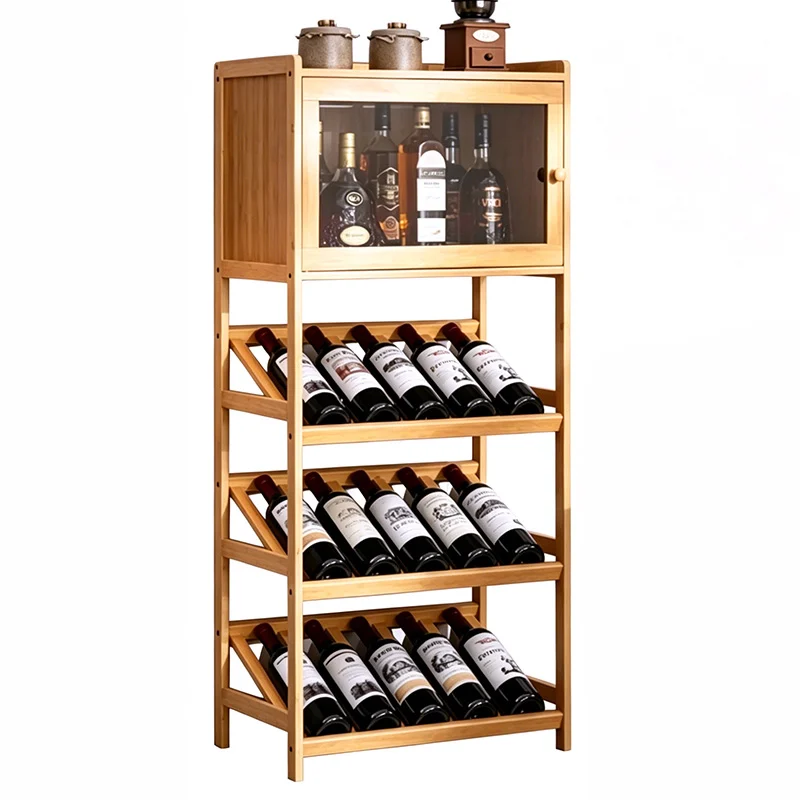
Wood accents can help mark natural foods, bakery, wine, or specialty grocery. For heavy cartons or frequent cleaning, prioritize the shelf construction and surface care over decorative details. One frame may work across both areas if its dimensions and hardware stay compatible.
![]() 3. Why Is Steel-Wood Shelving a Strong Fit for Modern Grocery Store Design?
Wood panels or headers can distinguish a specialty section while standard bays carry the main aisles. Repeat a small set of finishes across the store, then check the sample under the actual lighting. On the plan, make sure the fixture doesn’t block signs, sightlines, or access to products and safety equipment.
![]() 4. How Does the Material Combination Support Hygiene, Maintenance, and Durability?
One finish schedule may not suit every department. Dry grocery, produce-adjacent, and beverage areas can face different spills, cleaning routines, and impact.
Before choosing a coating or board, walk through the likely exposure: spills, condensation, humidity, cart bumps, and cleaning chemicals. Specify the steel coating, board, sealed edges, and surface together. Check that staff can reach the joints and undersides when cleaning.
Get the care instructions in writing. They should name approved cleaners, chemicals to avoid, scratch repairs, and how to replace or match a panel later. A finish that’s hard to repair can become a nuisance after installation.
A practical exposure check
For dry grocery, check that staff can wipe down the surface and replace a damaged edge. Produce-adjacent areas need a closer look at moisture and wash-down routines; beverage bays need a spill and load review. Have a qualified project adviser check chilled or wet-service fixtures before production.
5. Can Steel-Wood Shelving Reduce Long-Term Store Fit-Out Waste and Replacement Cost?
Reusing a frame can save replacement work, but only if compatible parts are available when something breaks. Before counting on that benefit, confirm how the supplier identifies replacement shelves and panels, and whether it can match the finish later.
Ask for a parts list and check the hole pitch, bay compatibility, shelf dimensions, spare components, and finish references. A frame may stay in place through several store resets while the panels change. That only works if the replacement parts are documented and obtainable.
Compare more than the opening quote. Include installation, cleaning, repairs, future resets, and disposal in the cost worksheet. Use supplier prices for replacement parts; keep any projected savings clearly marked as estimates.
Käuferprüfung: During sample approval, remove a shelf or panel and ask the supplier to identify the exact replacement part, finish reference, and ordering route. If those details aren’t documented, don’t count on easy replacement later.
![]() How Should You Specify Steel-Wood Shelving for a Grocery Project?
Start with the store plan and product list. Record the local requirements and technical details in the project specification, then approve a complete sample before bulk production.
Record these details before requesting the final quote:
- Measure the room, columns, doors, services, aisle clearances, end caps, accessible routes, and replenishment paths.
- List SKU dimensions, case weights, facings, display needs, and cleaning conditions by department.
- Specify bay dimensions, shelf pitch, steel section, load rating, wood substrate, finish, accessories, and anchoring.
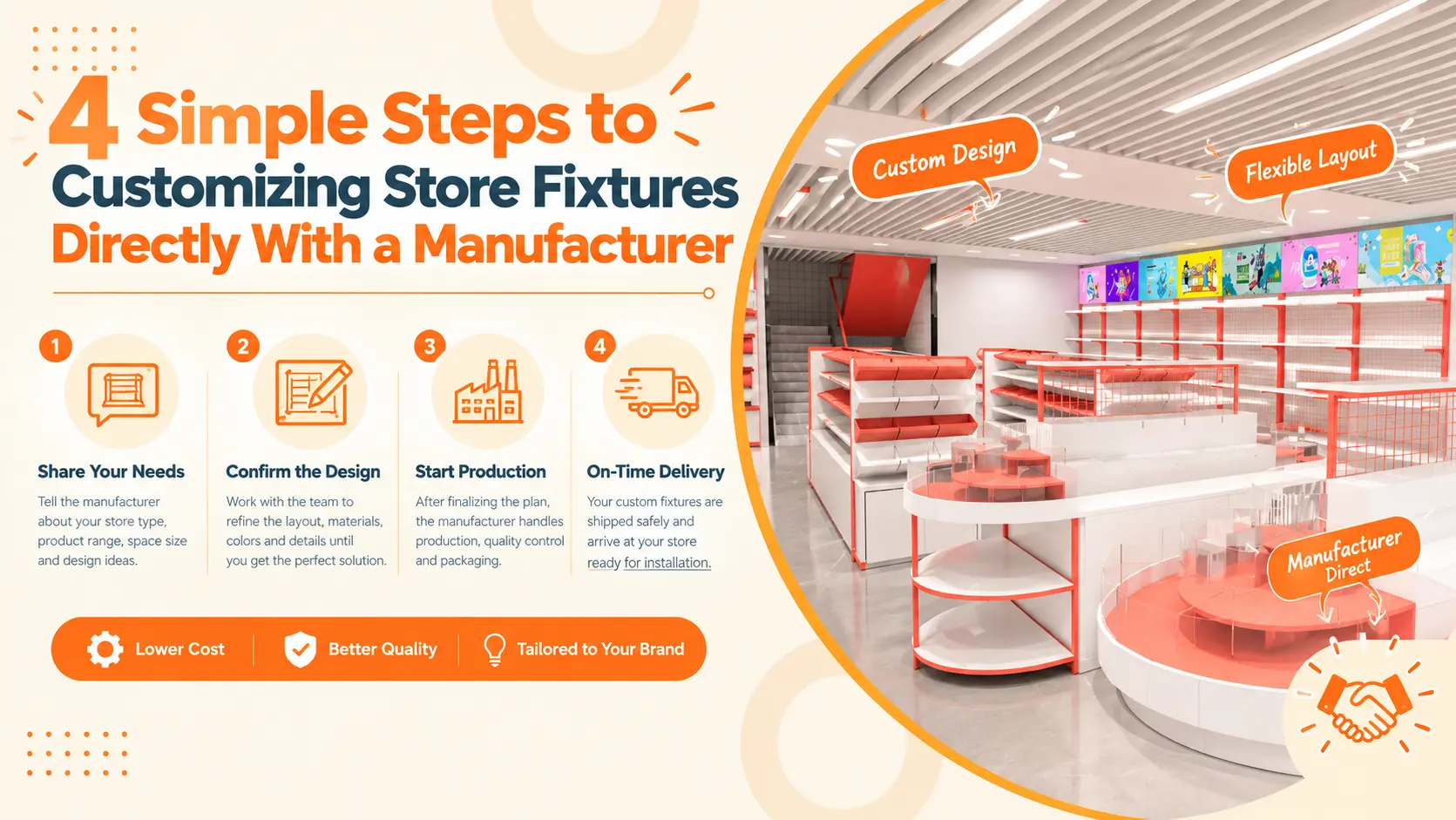
- Approve the layout, shop drawing, finish sample, full sample bay, QC checks, packaging, spare parts, warranty, and installation method.
For a custom store layout and shop drawing review, see DAHO’s Anpassung service. For factory and sourcing questions, compare Hersteller von Supermarktregalen and review the guide to sourcing custom supermarket shelving from China.
Häufig gestellte Fragen
Is steel-wood shelving durable enough for grocery stores?
It can be. Match the structure to the intended load and choose wood parts for the department’s cleaning and moisture conditions. Ask for the shelf-rating basis and care instructions. Approve a sample before placing the full order.
Is steel-wood shelving more expensive than all-metal shelving?
It depends on the steel, board, finish, accessories, order size, and any custom work. There isn’t a useful universal percentage. Compare the quote with installation, repairs, future resets, and replacement parts. Reusing the frame while replacing a damaged panel may matter more than the initial price difference.
Can steel-wood shelving be used in produce or wet areas?
Possibly, but review the board, edge seal, coating, drainage, and cleaning method for that specific area. Check the applicable food-safety and local requirements before ordering. Don’t assume a finish approved for dry grocery will work in a chilled or wet-service zone.
Can the shelves be reconfigured after installation?
Often, but check the hole pitch, bay compatibility, weight limits, and spare-part availability first. Decorative panels may not swap as easily as shelves. Try the planned reset on a sample bay before approving a multi-store order.
Should I approve a sample before ordering a full store?
Yes. Use a representative bay to check the drawing, finish, edges, assembly, accessories, labels, and cleaning method. Keep it as the production reference. It’s also the time to catch poor product fit, awkward shelf access, or panel misalignment.
Conclusion: Specify the Structure and Finish
Steel-wood shelving can suit a grocery store that needs a metal frame and a less industrial look. In common configurations, the steel carries the structural role while wood parts help mark departments. Reuse is possible, but only when the supplier documents compatible parts and keeps the drawings.
Before ordering, match the fixture to the products, floor plan, cleaning routine, and replenishment path. Get the load basis and material details in writing. Review the shop drawing, finish sample, and assembled bay before approving production.
DAHO manufactures retail fixtures in China and has more than 20 years of display-shelf production experience. Its 40,000+ m² facility and 30+ designers support store planning and shop drawings as well as production.
Send DAHO your store plan, product list, quantities, department conditions, and preferred finish to request a steel-wood shelving layout, sample, and quote. For material ideas, see retail shelving finish options.

Ivy ist Regalspezialistin bei DAHO, einem chinesischen Hersteller von Supermarktregalen. Sie vermittelt praktisches Wissen über die Konstruktion von Einzelhandelsregalen, die Verarbeitung von Metall und Holz sowie über Ladenpräsentationssysteme. Sie unterstützt Einzelhändler und Großhändler weltweit dabei, Regalsysteme zu verstehen und die passenden Lösungen vom Hersteller auszuwählen.