Choosing a display rack material is not an aesthetic preference. It determines how much weight your shelving can hold, how long it lasts in a high traffic retail environment, and what your maintenance costs look like two years from now.
Metal, wood, and acrylic each solve a different set of problems. A display stand that looks perfect in a boutique clothing store will fail in a humid grocery aisle within months. The wrong choice turns a promotional display unit into a liability.
This guide walks through how each material performs in the real world, what it actually costs to maintain, and where each one belongs.
Key Takeaways
Metal display racks support 100+ kg per shelf with proper gauge steel and welded joints, making them the only practical choice for heavy retail environments.
Wooden display racks create brand warmth but require climate control. MDF swells in humidity above 60% and does not recover.
Acrylic display racks offer 92% light transmission, nearly glass level clarity, at half the weight. But scratch resistance varies significantly by manufacturing method.
Most retail environments benefit from mixing materials: metal frames with wooden shelves, or acrylic fronts on steel gondola bases.
Metal Display Racks: The Workhorse of Retail Shelving

Metal is not one material. It is a category with real performance differences between steel, aluminum, and wire.
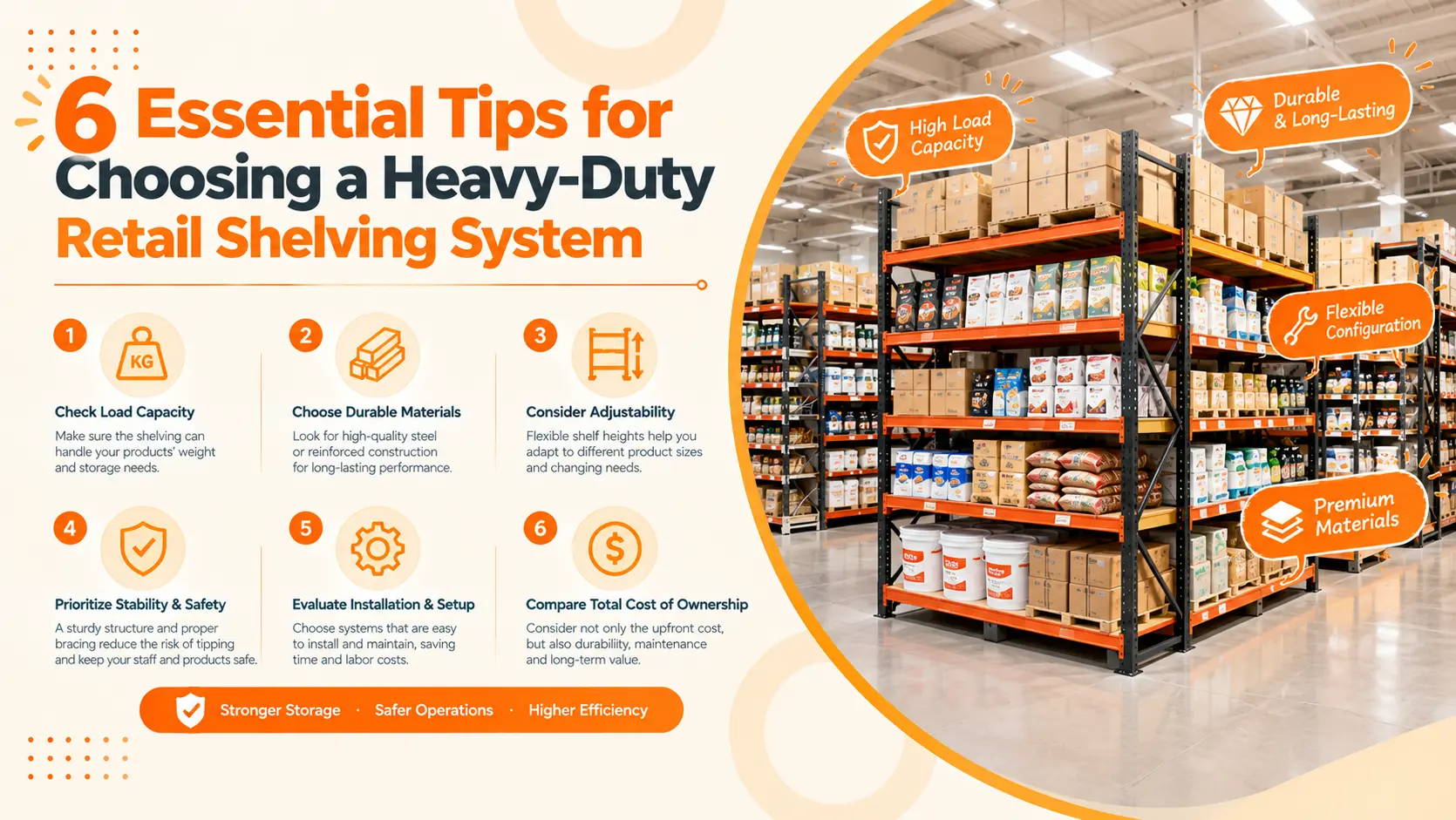
Steel display rack systems are the standard for a reason. Cold rolled steel with a powder coated finish delivers a combination of load capacity, durability, and cost efficiency that no other material matches. A properly welded steel gondola frame with 1.2mm to 1.5mm gauge uprights supports 100 to 200 kg per shelf bay without deformation.
Aluminum is lighter and resists rust, which makes it popular for outdoor retail environments and portable promotional display units. But the trade off is load capacity. An aluminum floor standing rack typically supports 40 to 60 percent of what an equivalent steel unit can hold. For an indoor supermarket fixture that stays in place for five years, steel is almost always the better choice.
Wire shelving occupies a middle ground. It is lighter than solid steel, allows airflow and light penetration, and costs less per linear meter. The downside is visual. Wire racks expose products and packaging to dust from above and below. In a retail environment where presentation matters, wire shelving often ends up as back of house storage rather than front of house display.
What DAHO Brings to Metal Manufacturing
A metal display rack begins on a production line, not a catalog. DAHO runs CNC laser cutting, robotic welding stations, electrostatic powder coating lines, and automated packaging inside a 40,000 square meter facility. Every frame is built to the same ISO 9000 quality system the company has maintained since 2010.
The powder coating matters more than most buyers realize. A 60 to 80 micron epoxy polyester coat, cured at 180 to 200 degrees Celsius, creates a surface that resists scratches, UV fading, and cleaning chemicals for five to ten years of daily retail use. Cheaper coatings fail at the edges first. When a display rack starts rusting at the shelf bracket holes, the coating was too thin or the pretreatment was skipped.
This is why DAHO has retained clients across 30 countries for over two decades. The manufacturing facts are visible in the finished product: clean welds, consistent coating thickness, and flat shelf decks that do not warp under load.
Pro Tip: Before ordering metal display shelves, measure your store doorway widths and elevator dimensions. A fully welded gondola base that fits your floor plan but cannot enter the building is a common and expensive mistake. Modular bolt together designs solve this, and DAHO can fabricate either approach depending on site access.
Wooden Display Racks: Warmth, Craft, and Brand Storytelling
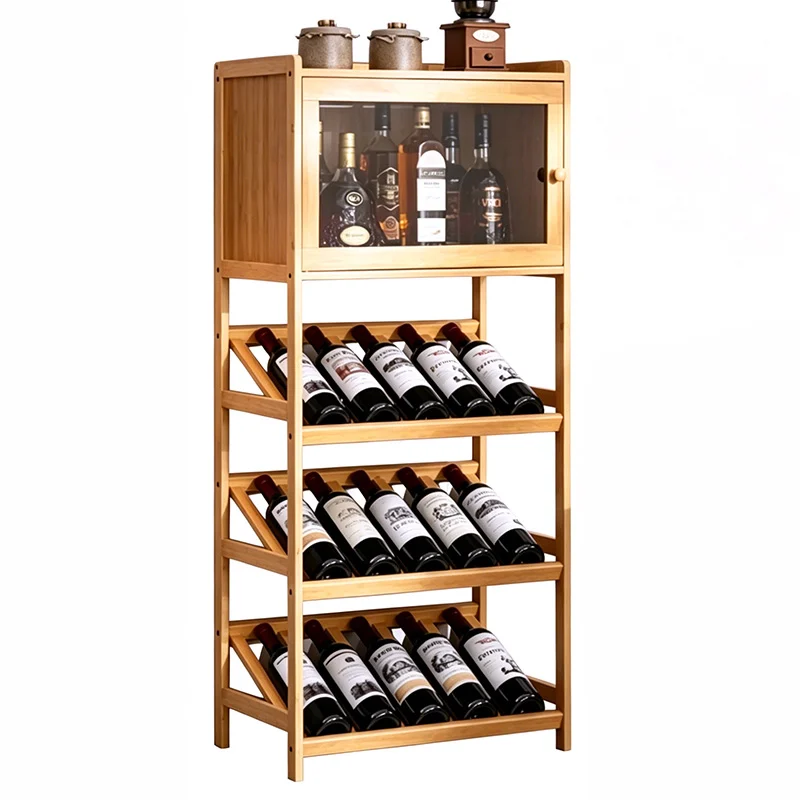
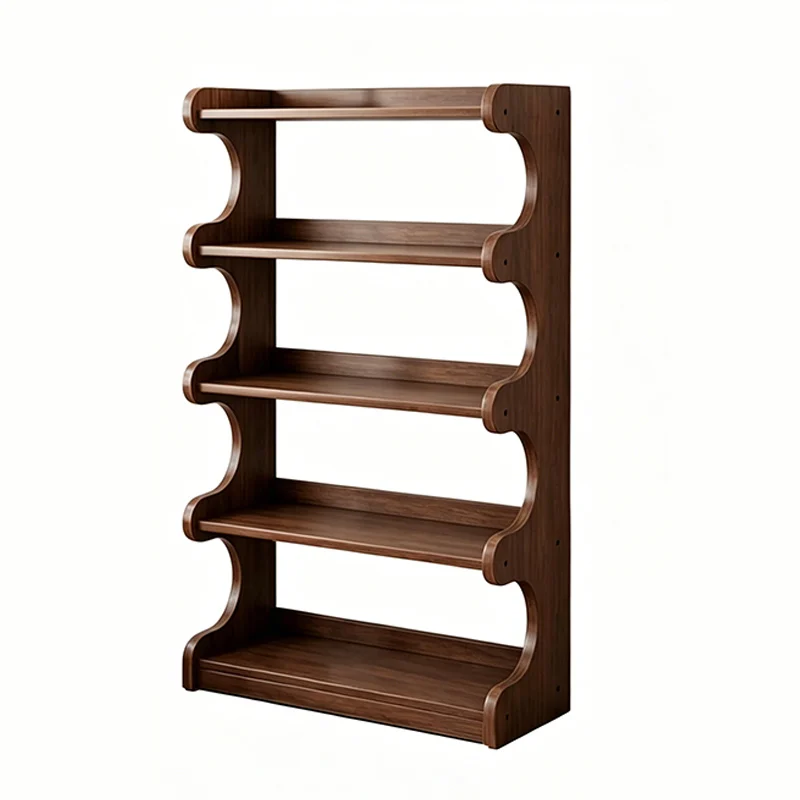
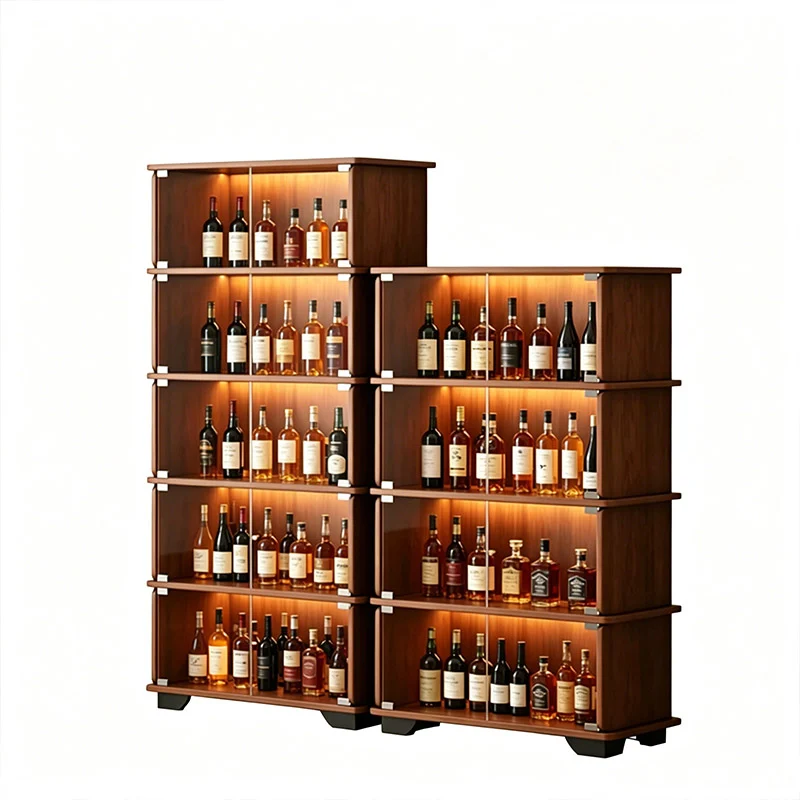
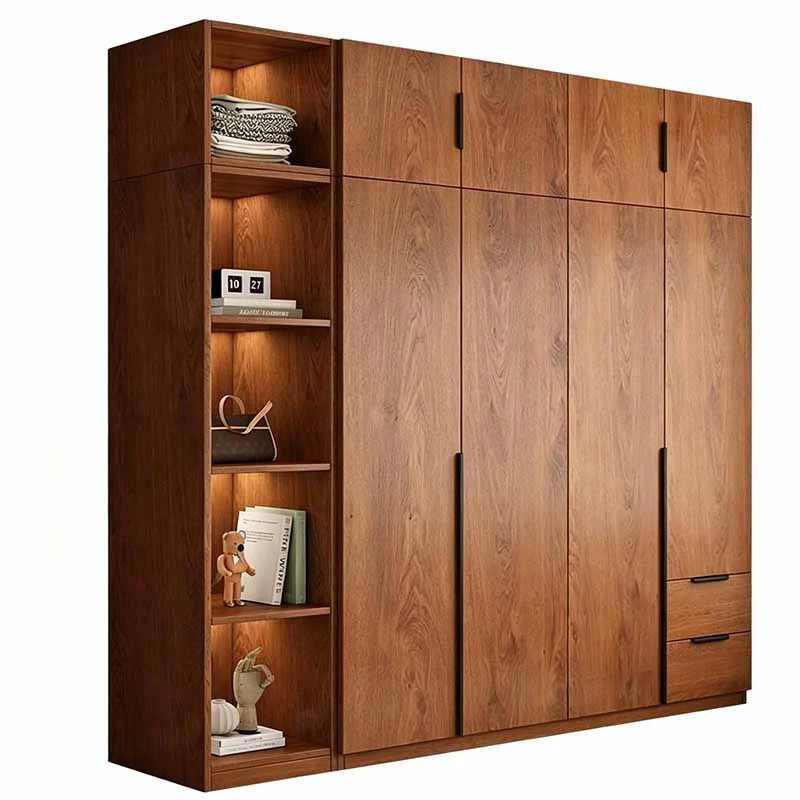
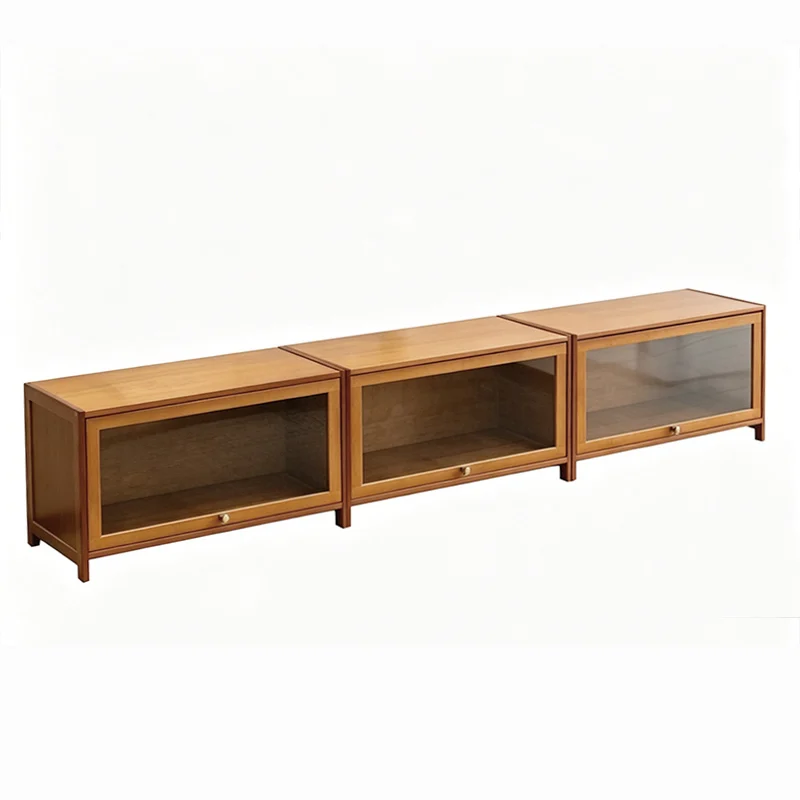
Wood communicates something metal cannot. A wooden display rack signals warmth, craftsmanship, and permanence. It is the material premium retailers choose when brand perception matters more than maximizing product density per square meter.
But wood has physics problems that marketing brochures tend to skip. Solid hardwood absorbs moisture. In a grocery environment where refrigeration units cycle on and off, relative humidity swings from 40 percent to 80 percent daily. Over six months, a solid oak display shelf can warp 3 to 5mm across a 1.2 meter span. MDF fares worse. Once medium density fiberboard absorbs enough moisture, the edges swell permanently and the structural integrity is gone.
The choice is not just solid wood versus MDF. Plywood, particularly Baltic birch with 11 to 13 plies, offers a practical middle ground. It resists warping better than solid wood, holds screws more reliably than MDF, and costs about 30 to 50 percent less than solid hardwood. For a retail buyer ordering 50 store fixtures, that difference adds up to real budget savings.
Fire compliance is another factor that catches international buyers off guard. Many jurisdictions require store fixtures in public retail spaces to meet Class B or Class C flame spread ratings. Untreated wood typically does not pass on its own. DAHO applies fire retardant treatments at the manufacturing stage for clients whose local building codes require it.
Wood also offers something practical that metal and acrylic cannot: repairability. A scratched powder coated steel shelf needs a factory recoating. A scratched wooden shelf can be sanded and refinished on site. For permanent store fixtures expected to last 10 or more years, this is a genuine cost advantage.
Acrylic Display Racks: Visibility and the Modern Aesthetic
Acrylic solves a specific problem: putting the product, not the fixture, at the center of attention. With 92 percent light transmission (glass transmits about 90 percent) and roughly half the weight of glass, acrylic display stands are the default choice for cosmetics counters, jewelry showcases, and electronics retail where the product must sell itself visually.
Not all acrylic is the same. Cast acrylic is manufactured by pouring liquid polymer between glass molds and curing it slowly. The process produces sheets with uniform thickness tolerance, higher molecular weight, and better optical clarity. Extruded acrylic is pushed through rollers like dough. It is cheaper per square meter but shows thickness variation, lower scratch resistance, and a slight haze under bright retail lighting.
The thickness determines what the rack can hold. A 5mm cast acrylic shelf spanning 600mm supports roughly 8 to 12 kg of evenly distributed product weight. A 10mm shelf handles 20 to 25 kg. These are not load bearing structural numbers. They are presentation numbers. Acrylic is for display, not storage.
Scratch resistance is where acrylic earns or loses its reputation. Cast acrylic resists fine scratching better than extruded, but neither material matches the hardness of tempered glass. The practical answer for retail: use acrylic for vertical display surfaces and product risers where customer contact is visual rather than physical. If customers will be handling products directly from the rack, factor in a replacement or polishing cycle every two to three years.
Acrylic also has a heat ceiling. Continuous exposure above 70 degrees Celsius causes warping. This is rarely an issue in standard retail environments, but it matters for window displays in direct sun or fixtures positioned near HVAC heat vents. A black acrylic shelf in a sunny storefront window in summer can reach surface temperatures high enough to deform over time.
Key Benefit: Acrylic display racks effectively disappear in the customer field of view. A cosmetics brand using clear acrylic risers on a gondola shelf increases product visibility by approximately 25 percent compared to solid white or black shelf surfaces. The customer sees the lipstick first and the fixture not at all. That is the entire point.
Other Materials Worth Knowing: Glass, MDF, and Cardboard
Glass display cases remain standard for high value retail like watches and fine jewelry. Tempered glass shelves support up to 15 kg and resist scratching permanently, but glass is heavy, fragile during shipping, and expensive to replace when it breaks. For most general retail display needs, acrylic achieves similar visual results with lower total cost of ownership.
MDF, or medium density fiberboard, is not a premium material. It is a budget material. The surface takes paint and laminate well, and a well sealed MDF display rack can perform acceptably in a climate controlled indoor environment for three to five years. But MDF fails catastrophically when wet and cannot be refinished once the surface layer is damaged. Use it for temporary promotions and cost sensitive projects, not permanent store fixtures.
Corrugated cardboard display stands serve one purpose: short term promotional campaigns. A cardboard floor standing display unit costs $15 to $50 and lasts four to eight weeks in a normal retail environment. It is a disposable marketing tool, not a store fixture investment.
How to Choose: A Retail Decision Framework
There is no best material. There is only the right material for your specific retail environment. The following three questions eliminate most wrong answers before you ever look at a price sheet.
How Long Does This Fixture Need to Last?
Permanent fixtures in supermarket aisles and department stores need metal. A powder coated steel gondola shelving frame in a grocery environment lasts 15 to 20 years with normal maintenance. Wood in the same environment lasts 5 to 8 years before refinishing or replacement. Acrylic in high contact areas needs replacement or polishing every 2 to 4 years.
For a six month seasonal promotion, the math reverses. A corrugated cardboard display costs $25 and gets thrown away. A permanent metal fixture for the same promotion costs $400 to $800 and sits unused in storage for the other 10 months of the year. Match the material lifespan to the expected deployment window.
What Is the Environment?
Humidity is the biggest material killer in retail. Grocery stores, florists, and any store with open refrigeration produce humidity cycles that damage wood and MDF within months. In these environments, metal with a proper powder coat finish is the default answer. If the store is climate controlled, including clothing boutiques, electronics retailers, and jewelry stores, both wood and acrylic perform well.
Outdoor retail environments add UV exposure and rain. 304 grade stainless steel resists corrosion outdoors but costs roughly twice as much as powder coated mild steel. For a permanent outdoor display rack in a coastal environment, stainless steel is not an upgrade. It is the only option that will not rust within two years.
What Are You Displaying?
Product weight determines the engineering. A 12 pack of soda bottles weighs about 5 kg. A full gondola bay holding 30 packs per shelf carries 150 kg per level. That requires steel, full stop. Acrylic and wood cannot handle those loads without steel reinforcement.
Product value determines the optics. A $2,000 watch needs a glass and metal showcase. A $12 bag of potato chips needs a steel gondola shelf. The fixture should be invisible enough to let the product sell itself, but strong enough to hold it safely.
Material Comparison at a Glance
| Material | Load Capacity | Lifespan | Humidity | Maintenance | Relative Cost |
| Steel | 100-200 kg | 15-20 years | Excellent | Low | $$ |
| Aluminum | 40-80 kg | 10-15 years | Excellent | Low | $$$ |
| Solid Wood | 50-80 kg | 8-12 years | Poor | Mod. | $$$ |
| Plywood | 40-60 kg | 5-8 years | Fair | Mod. | $$ |
| Acrylic | 8-25 kg | 3-5 years | Good | High | $$ |
| MDF | 30-50 kg | 3-5 years | V. Poor | Low | $ |
| Cardboard | 5-15 kg | 4-8 weeks | V. Poor | None | $ |
Material Selection FAQ
What is the most durable material for heavy retail displays?
Steel with a powder coated finish is the most durable material for heavy retail displays. A well fabricated steel gondola shelving unit with 1.2mm to 1.5mm gauge uprights supports 100 to 200 kg per shelf bay and lasts 15 to 20 years in daily retail use. No other display rack material approaches this combination of load capacity and service life for the same cost per linear meter.
Can I mix metal and wood in the same store fixture?
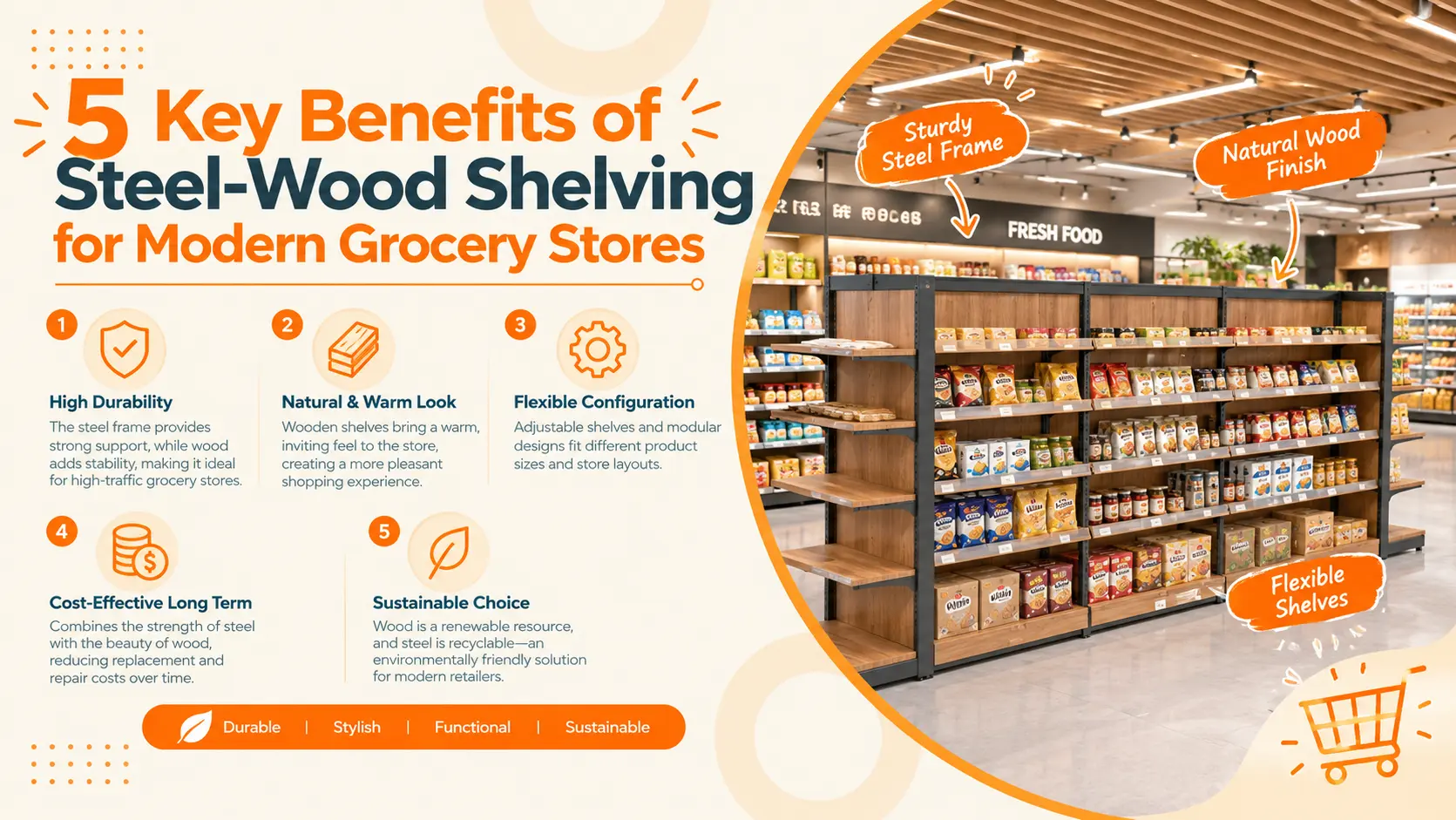
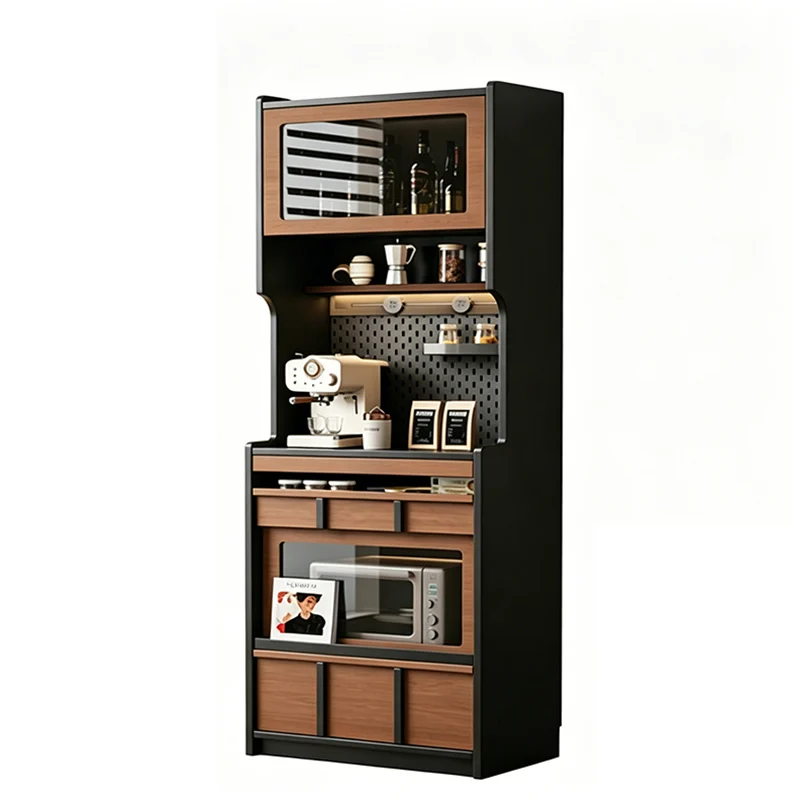
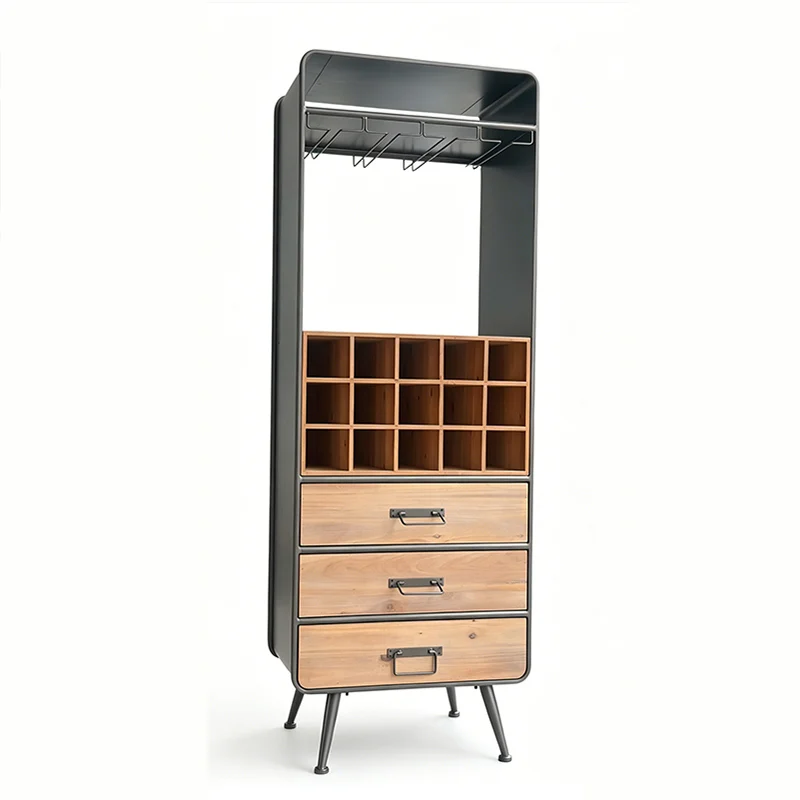
Yes. Many of the most effective retail display racks combine a metal frame with wooden shelf surfaces or wood accent panels. The metal provides structural load capacity and stability. The wood provides warmth and brand texture. DAHO regularly fabricates hybrid fixtures, including powder coated steel gondola bases with solid oak or walnut shelf inserts, for clients who want both durability and premium presentation in a single unit.
Is acrylic strong enough for floor standing display racks?
Acrylic can be used structurally in floor standing racks when the design accounts for its material limits. Thick cast acrylic panels (15mm or above) provide adequate rigidity for freestanding displays carrying cosmetics, small electronics, or lightweight merchandise. However, for any display rack holding more than 30 kg total or positioned in high traffic areas where customers may lean on the fixture, a metal frame with acrylic panels is the safer and more durable approach.
How does humidity affect wooden display racks in grocery environments?
Humidity cycles in grocery environments cause wooden display racks to warp, swell, and delaminate over time. The daily swing from air conditioned dryness to refrigerated aisle moisture pushes and pulls moisture through wood fibers. Solid hardwood resists this better than MDF or particle board, but all wood based materials degrade faster in grocery settings than in climate controlled retail. If wood is unavoidable for grocery use, specify marine grade plywood and factory applied moisture sealant on all six sides of every panel.
What are the cost differences between metal, wood, and acrylic display racks?
Steel display racks typically cost $80 to $250 per linear meter at the factory level, depending on gauge, coating specification, and order quantity. Wooden display racks range from $150 to $400 per linear meter for solid hardwood, with plywood at $80 to $180. Acrylic display racks range from $100 to $300 per linear meter, with cast acrylic at the higher end. These are manufacturing cost ranges, not retail prices. Actual quotes depend on design complexity, material specifications, and total order volume.
Make the Right Call on Your Next Display Rack Order
Material selection is the difference between a store fixture that performs for a decade and one that becomes a maintenance headache within six months. The right choice depends on three things: how long the fixture needs to last, what environment it lives in, and what it holds.
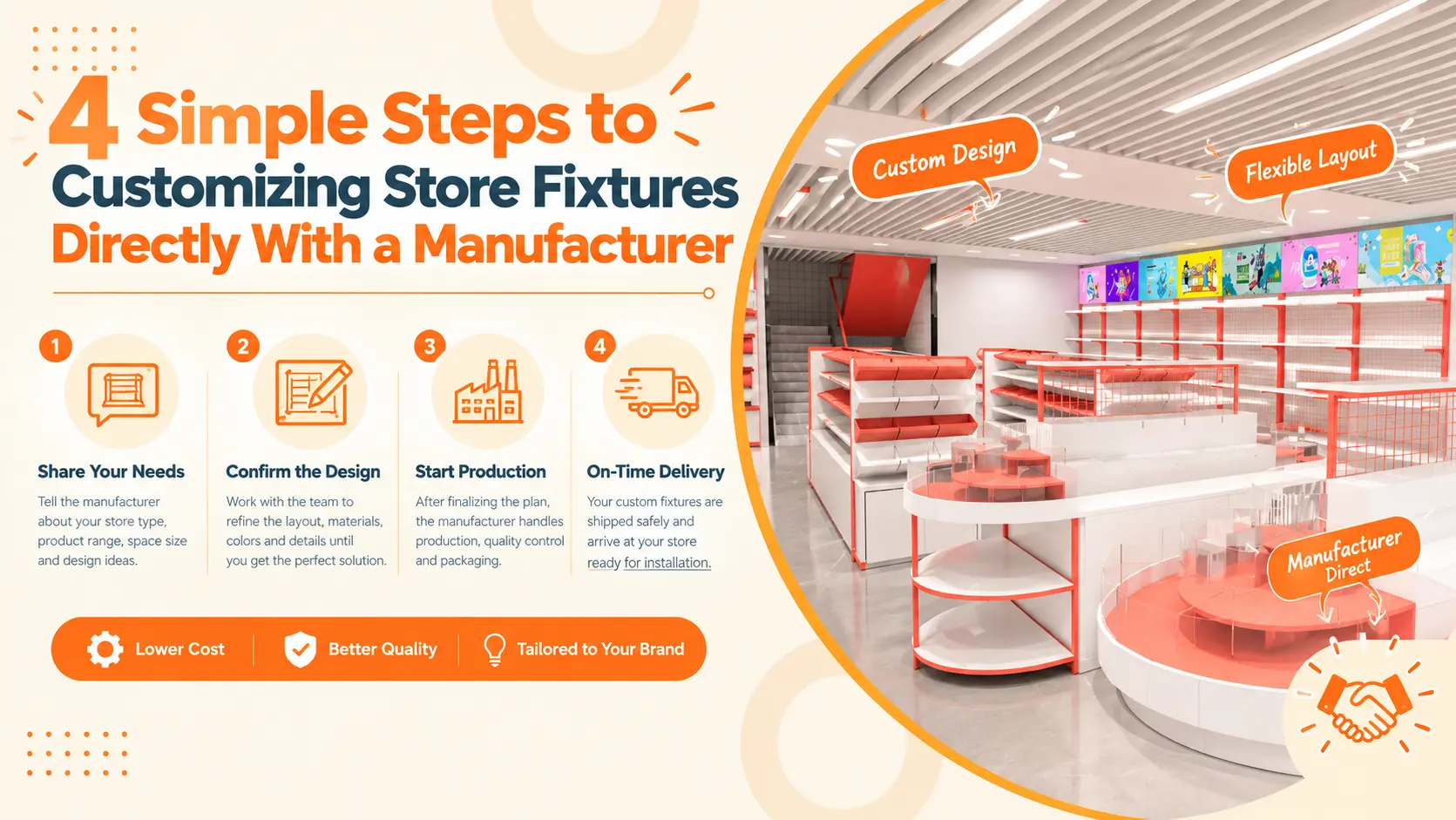
DAHO Display has manufactured retail shelving and store fixtures for over 20 years from a 40,000 square meter facility with integrated CNC cutting, robotic welding, powder coating, and wood fabrication lines. Whether your project calls for all steel gondola shelving, wood accented display units, or custom acrylic showcases, the engineering team can take your drawings or floor plan and deliver finished product to your warehouse.
Contact us for a quote. Our design team includes 30+ professionals who can optimize your fixture plan for cost, durability, and visual impact before production begins.

Ivy is a shelving specialist at DAHO, a supermarket shelving manufacturer in China. She shares practical knowledge on retail shelving design, metal and wood fabrication, and store display systems. She helps global retailers and wholesalers understand shelving structures and choose the right factory solutions.