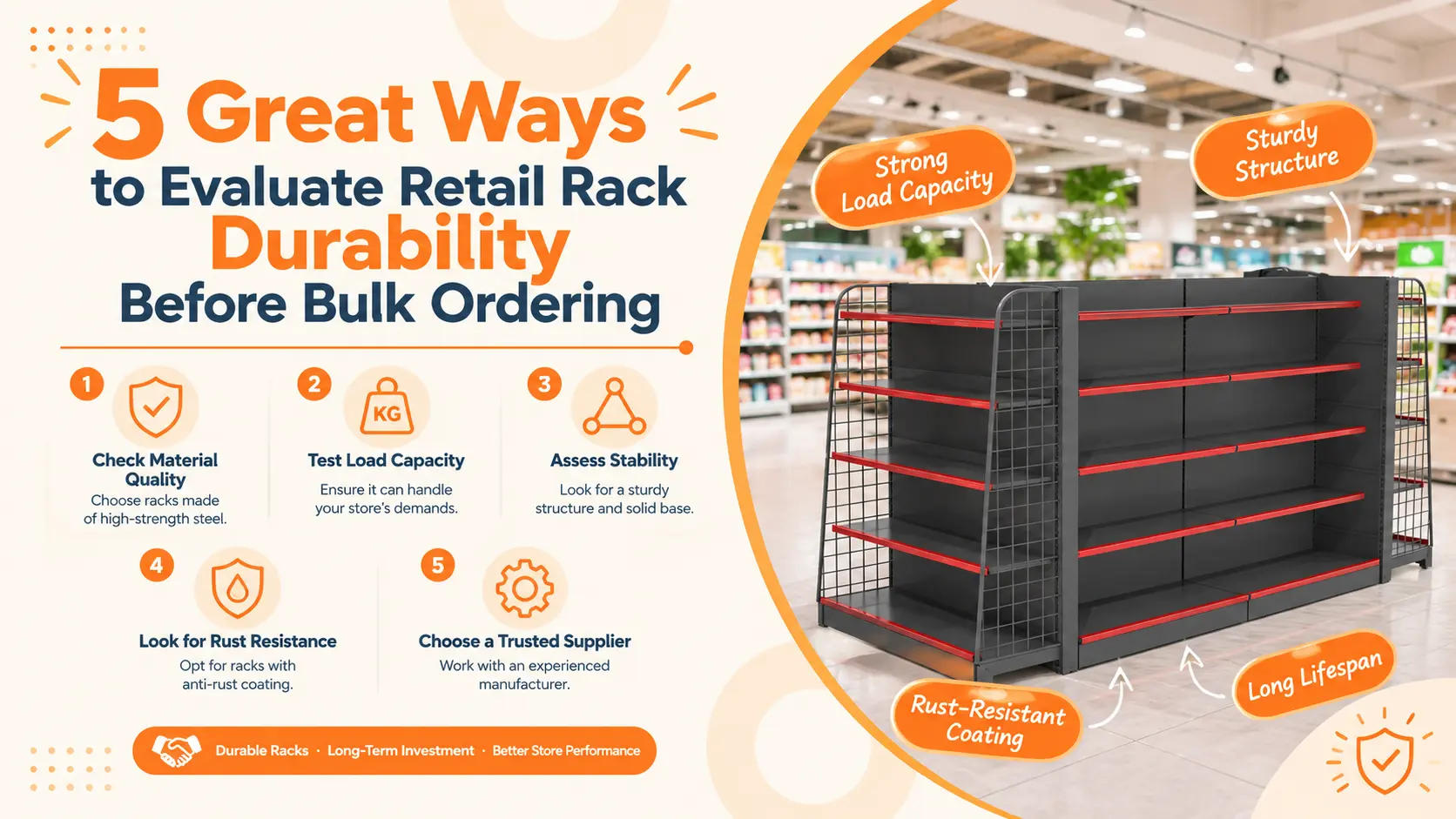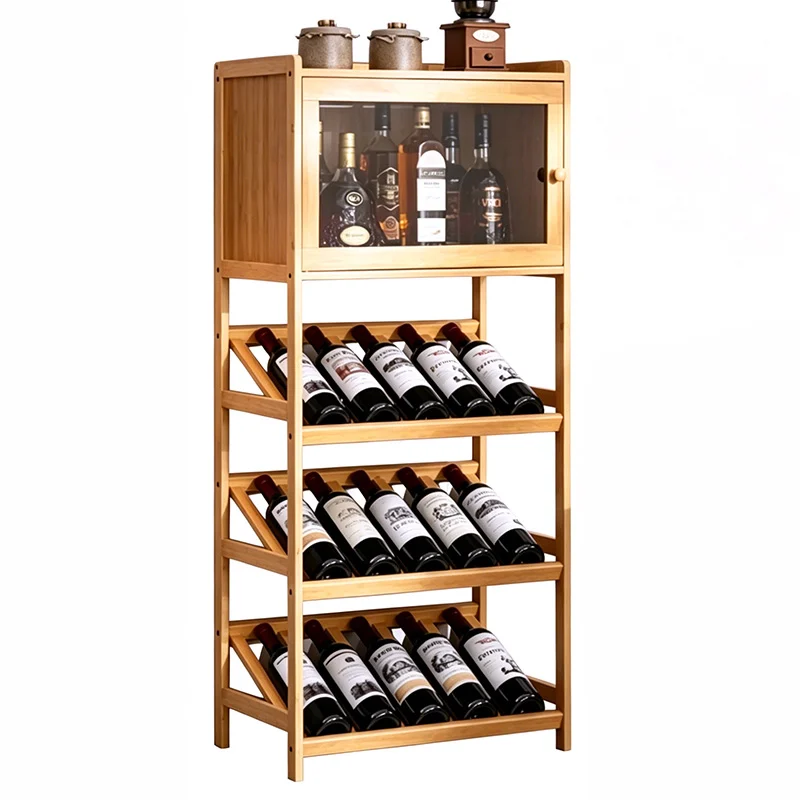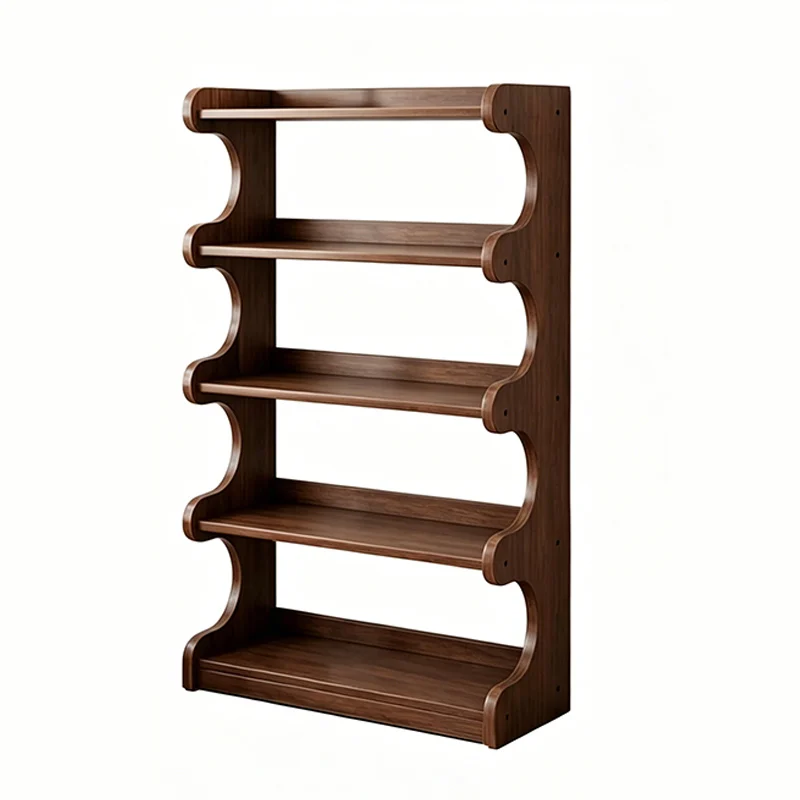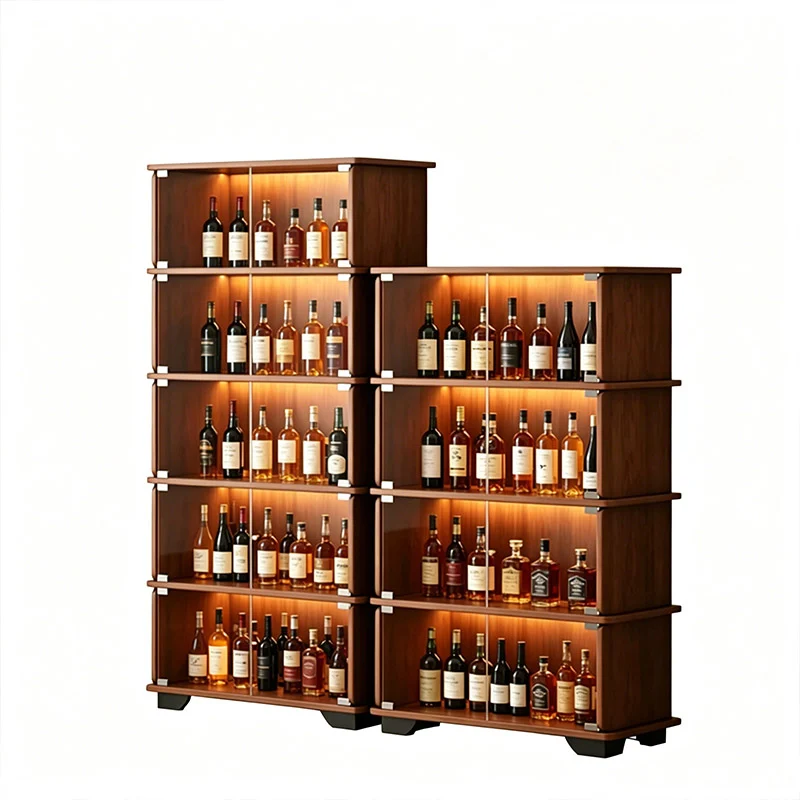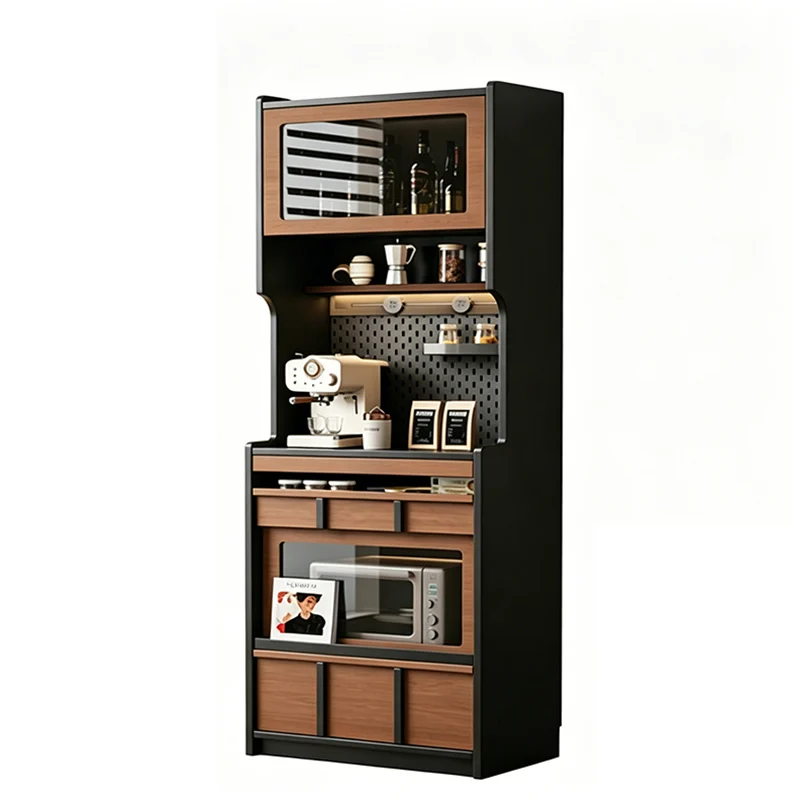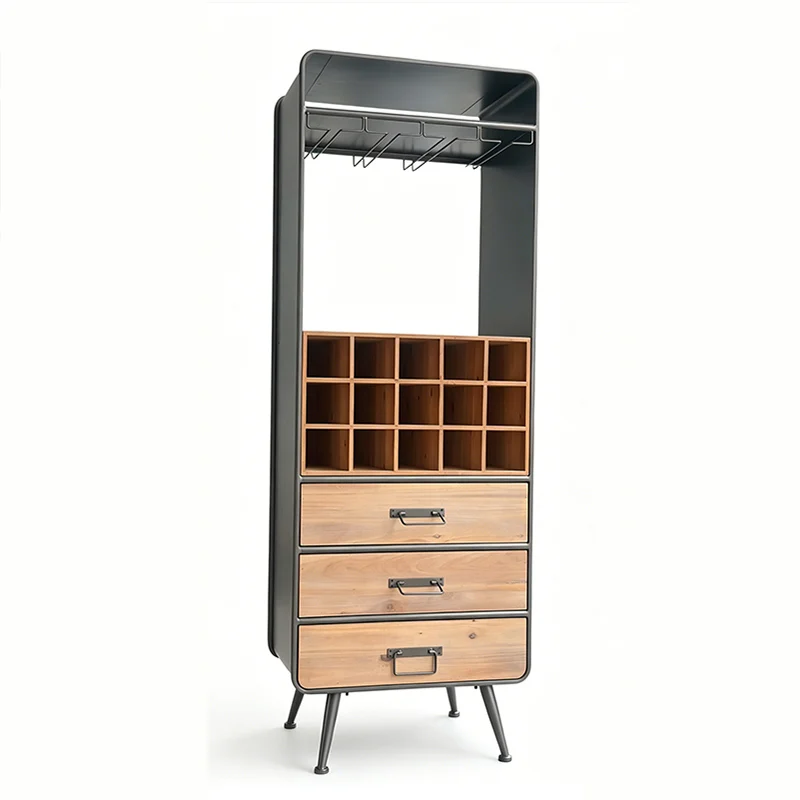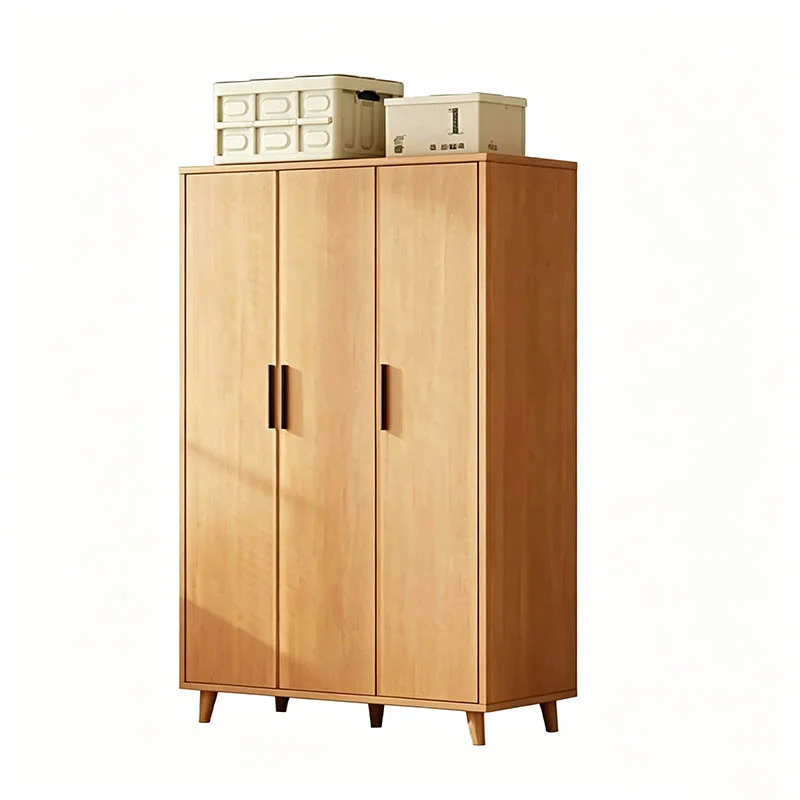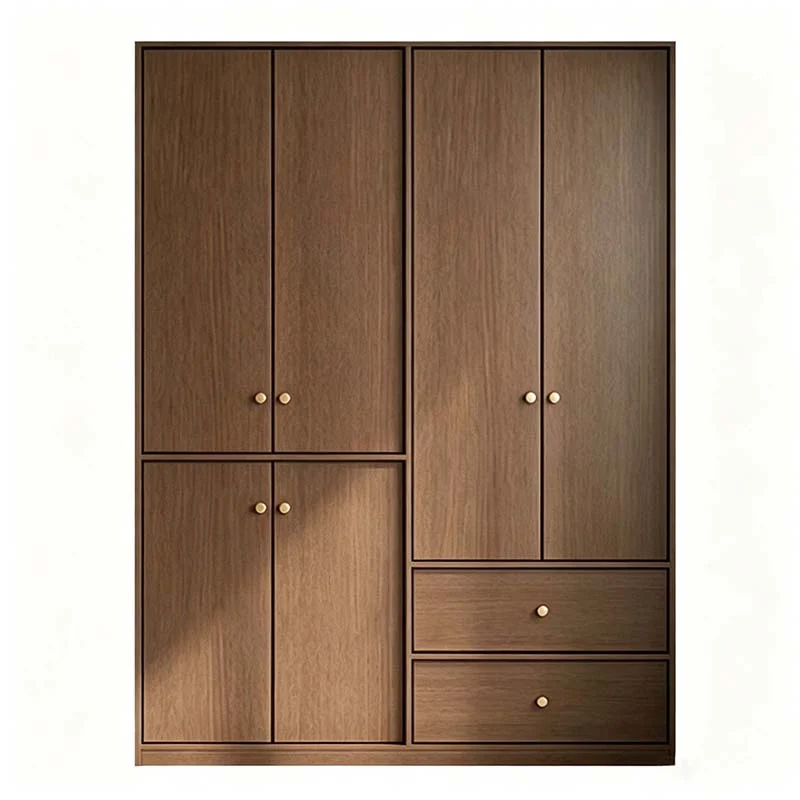
Retail rack durability is easiest to judge before a purchase order locks in the design. A polished finish or a large capacity number cannot tell you how the complete bay performs in your store. Buyers should compare the tested configuration, inspect joints and coatings, and agree how a production sample will match bulk units.
This guide gives procurement teams five practical checks for supermarket gondolas, grocery shelving, and other retail racks. Use them to turn broad claims such as “heavy duty” into documents, sample criteria, and inspection steps. Actual capacities and environmental suitability depend on the final dimensions, configuration, use, and local requirements.
Key Takeaways
- Compare load reports only when dimensions, supports, and loading methods match the proposed rack
- Inspect the complete bay, including uprights, brackets, welds, feet, fasteners, and anchoring details
- Specify the finish for the store environment, then inspect edges, holes, welds, and high-contact areas
- Approve a production-representative sample and write the bulk inspection criteria before ordering
- Treat quality-system certification as process evidence, not proof of a particular rack’s capacity
What should buyers check before ordering retail racks in bulk?
Before ordering retail racks in bulk, compare five kinds of evidence: material and finish specifications, load-test conditions, connection and stability checks, wear testing, and production inspection records. No single certificate or sample proves every unit will last. The useful decision comes from matching each piece of evidence to the actual fixture, store environment, and acceptance plan.
Start by describing what the rack must hold and how staff will use it. Record the heaviest products, shelf spans, cleaning routine, replenishment method, installation surface, and expected layout. These details let a manufacturer recommend relevant tests instead of presenting a generic brochure rating.
| Check | Ask for | Inspect or compare |
| Materials and finish | Material grade or section, coating system, finish sample | Edges, holes, welds, and exposed surfaces |
| Load evidence | Report tied to the proposed dimensions and supports | Load type, span, deflection, and residual deformation |
| Joints and stability | Assembly drawing and installation assumptions | Uprights, brackets, feet, fasteners, and loaded bay behavior |
| Wear | Defined test plan for relevant repeated use | Adjustment, assembly, cleaning, and accessory contact points |
| Bulk consistency | Approved sample and written inspection plan | Dimensions, finish, fit, packing, and documented results |
1. How do you verify the rack’s materials and finish?

Verify materials and finish by matching the written specification to a physical, production-representative sample. Ask for the steel or panel specification, coating system, surface preparation, and intended exposure conditions. Then inspect concealed and exposed areas, since chips around holes, welds, cut edges, and fasteners can reveal weaknesses that a front-facing panel hides.
Powder coating appearance alone does not prove corrosion resistance or adhesion. Where coating performance matters, ask the supplier to identify the relevant test method and acceptance criteria. ASTM D3359 covers tape-test methods for assessing coating adhesion, while ASTM D2794 covers resistance of organic coatings to rapid deformation from impact. Neither method by itself establishes the service life of a complete retail rack.
For a sample inspection, use consistent light and note scratches, thin spots, uneven coverage, sharp edges, exposed metal, and coating damage after assembly. If the fixture will face moisture or frequent cleaning, provide the cleaning agents and exposure conditions before the finish is chosen. For broader context on finish options, see our guide to retail shelving finishes.
2. How should you compare a retail shelving load test?
Compare load reports only when the tested shelf and support arrangement match the proposed order. A useful report identifies dimensions, span, bracket or support positions, load distribution, test duration, and measured deflection or permanent deformation. OSHA’s workplace material-handling rule requires storage to avoid creating hazards, but it does not set one universal capacity for retail shelves (OSHA, 29 CFR 1910.176).
Check whether the report covers a shelf, a complete bay, or a connected run. A shelf rating does not automatically establish the capacity of the uprights, base, connectors, or floor anchoring. Likewise, a uniformly distributed load is not the same as a concentrated load from a heavy case or a small-footprint product.
Ask the supplier to map the report to the shop drawing and the actual SKU load plan. Confirm any deflection limit and what happens after unloading. A shelf may remain standing yet bow enough to affect package stability, labels, or restocking. For configuration details, use the gondola shelving system guide alongside the test documents.
Pro Tip: Ask for the full report and its tested specimen description, not only a capacity figure in a quotation. If the dimensions or supports differ, request an explanation from the test provider or manufacturer before comparing ratings.
3. What do the joints and rack stability reveal?
Joints and stability show whether forces move through the full structure as intended. Inspect the connection between the shelf and upright, along with brackets, hooks, base plates, welds, fasteners, and back panels. RMI are useful for understanding rack safety, but warehouse-rack guidance should not be assumed to govern every retail gondola or fixture.
Assemble a representative bay using the final parts and instructions. Check that components seat fully, holes align, fasteners can be tightened, and the unit does not rock on the intended floor. Then ask the engineer or manufacturer to define any stability test under the approved loading and anchoring assumptions. Do not improvise an overload or tip test in a public area.
Record what must be anchored, how the floor or wall affects installation, and which components are interchangeable. These details matter when the same design will be installed across multiple sites. If dimensions or accessories need adjustment, align them through custom fixture drawings and design before releasing the production version.
4. How can you check wear from repeated use?
Check repeated-use wear by naming the actions the fixture will face, then agreeing on a sample test for those actions. Common stress points include shelf adjustment, accessory replacement, assembly and disassembly, cleaning, and contact from carts or restocking equipment. A test is only meaningful when its cycle, method, load, and pass criteria are written down.
For example, a grocery buyer may need to reset shelf heights several times a year. A hardware retailer may use hooks and pegboard accessories that are moved during range changes. Ask the manufacturer to demonstrate these changes on the proposed parts and inspect for loose connections, chipped coating, distortion, or poor fit afterward.
An impact-resistance result for a coating does not simulate every store event. Define which parts and abuse conditions matter to your project, and treat an in-house demonstration as a project check rather than third-party certification. If you source supermarket shelving from China, include sample approval and inspection responsibility in the purchase terms.
Example: A chain testing a new gondola layout could assemble one bay, load it to the approved project condition, change the shelf positions, and inspect the joints and finish. The written record should identify the parts, setup, observations, and acceptance decision.
5. How do you confirm bulk consistency before shipment?
Confirm bulk consistency by approving a production-representative sample and defining how inspectors will compare finished units with it. ISO 9000 specifies requirements for a quality management system; certification does not approve a specific rack design or prove its load capacity. Buyers still need product-level criteria and records tied to the order.
Agree which features are critical before production starts. The inspection plan can cover dimensions, fit, coating appearance, weld condition, accessory counts, labels, carton protection, and loading records. State who inspects, when the inspection occurs, how defects are recorded, and what remedy applies if the goods do not meet the approved specification.
A sample represents one build, while bulk production introduces repeatability and packing questions. Keep the signed drawing, finish reference, sample photos, and inspection checklist together. Ask for evidence from the agreed inspection point, then verify packing and container loading against the destination and shipping plan.
What should go into a retail rack durability checklist?
Put the five checks into a concise purchase specification before requesting final quotations. Each requirement should identify the evidence needed, the responsible reviewer, and the acceptance point. This gives suppliers the same basis for pricing and helps the buyer catch design changes before they affect an entire rollout.
- Product weights, package footprint, shelf span, and replenishment conditions
- Material and finish specifications matched to store exposure and cleaning
- Load report and tested configuration linked to the approved drawing
- Assembly, connection, stability, and anchoring assumptions
- Wear checks for adjustments, accessories, assembly, and cleaning
- Production sample approval, inspection criteria, defect handling, and packing records
Do not copy a capacity number or test duration from another rack and assume it applies. Ask the manufacturer to confirm the proposed configuration and the test basis in writing. For supplier questions beyond engineering evidence, see our retail shelving manufacturer checklist.
Frequently Asked Questions
What makes a retail rack durability report useful?
A useful report identifies the tested product, dimensions, supports, load pattern, duration, and measured results. Compare those details with the proposed drawing and merchandise plan. A single capacity figure without the tested setup is not enough to establish whether the report applies to your order.
Does a powder-coated finish prove a rack is corrosion-resistant?
No. Powder coating describes a finish process, not a universal corrosion rating. Ask for the coating specification, surface preparation, relevant test method, and criteria for the store environment. ASTM D3359 addresses adhesion assessment, while project-specific exposure testing may be needed for moisture or frequent cleaning.
Should buyers approve a sample before a bulk shelving order?
Yes, when the order depends on custom dimensions, finish, connections, accessories, or packaging. Approve a sample against the final drawing and record its condition. The approved sample provides a reference for inspection, but it does not replace bulk quality checks or a load report.
Does ISO 9001 certification prove that retail racks are durable?
No. ISO 9001 sets quality management system requirements. It can provide context about a supplier’s documented processes, but it does not certify a particular rack, load rating, or service life. Request product-specific evidence, sample approval, and inspection records for the model in your order.
When should a buyer use third-party inspection?
Consider independent inspection when the order is large, specifications are custom, shipment acceptance is difficult after dispatch, or the buyer needs neutral records. Agree the inspection scope, sample selection, timing, acceptance rules, and defect remedy in the purchase contract before production begins.
Conclusion: Make durability evidence part of the order
Retail rack durability is not a single material choice or certificate. It depends on whether the complete fixture matches the merchandise, store conditions, installation plan, and repeated-use demands. Review test conditions, inspect the connections and finish, and use a signed sample plus written bulk acceptance criteria.
DAHO is a China-based retail fixture manufacturer with 20+ years in display shelf manufacturing. Share your store plan, product weights, environment, and quantity when discussing a project so the proposed specifications and checks can match the intended use.

Ivy is a shelving specialist at DAHO, a supermarket shelving manufacturer in China. She shares practical knowledge on retail shelving design, metal and wood fabrication, and store display systems. She helps global retailers and wholesalers understand shelving structures and choose the right factory solutions.