Have you ever walked into a supermarket that felt crowded and difficult to shop in? Narrow aisles, hard-to-reach products, and cluttered displays can quickly frustrate customers. In many cases, the problem isn’t the products—it’s the supermarket shelving.
The right system improves store layout, increases product visibility, makes restocking easier, and creates a better shopping experience. It also helps retailers use every square meter more efficiently while preparing for future business growth.
Whether you’re opening a new grocery store, renovating a supermarket, or replacing old supermarket shelves, this guide will walk you through the 10 key factors that matter most. From selecting the right gondola shelving and load capacity to finding a reliable supermarket shelving supplier, you’ll learn how to choose a shelving system that fits your products, your space, and your long-term goals.
You can learn more about different shelving types, applications, and buying considerations in our complete guide to supermarket racks.
Key Takeaways
- Choose supermarket shelving based on your store layout, product categories, and customer traffic.
- Select the right shelving type, dimensions, materials, and load capacity to improve product visibility and daily operations.
- Invest in adjustable shelving and modular systems that can adapt to seasonal displays and future store expansion.
- Compare suppliers based on manufacturing experience, customization capabilities, quality, and after-sales support for a long-term return on investment.
1. Understand Your Store Layout First
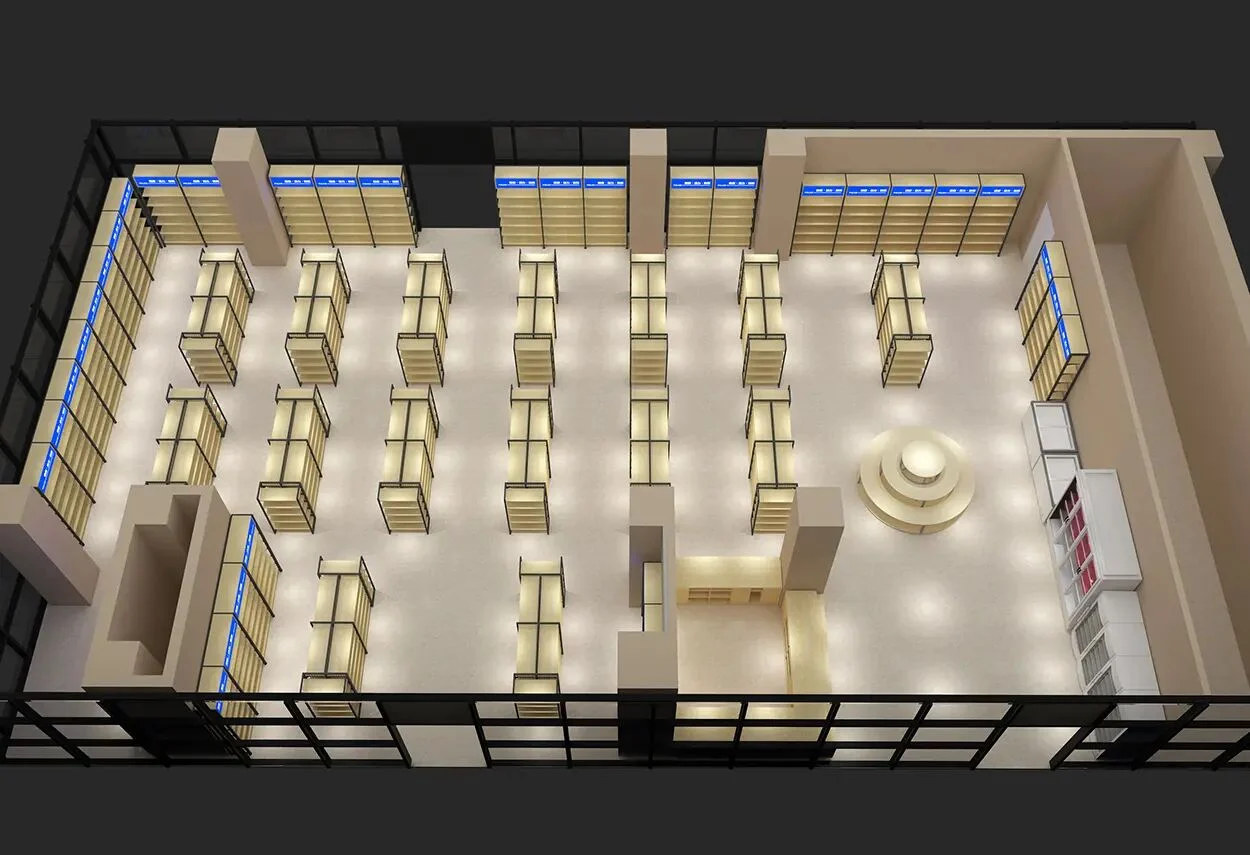
The best shelving system depends on your available space, product categories, and how customers move through the store. A layout that works well for a large supermarket may not be suitable for a small grocery store or convenience store.
Plan your aisles before selecting shelves. Wide aisles create a more comfortable shopping experience, while a clear traffic flow helps customers find products more easily. You should also leave enough space for shopping carts, restocking, and daily operations. Well-placed gondola shelving can organize the sales floor, while wall shelving makes better use of perimeter space.
It is also important to think about future changes. If you expect to add new product categories or adjust your merchandising strategy, choose a flexible supermarket shelving system that can be expanded or reconfigured without replacing the entire setup.
Store Layout Checklist
✔ Store size and floor plan
✔ Entrance and checkout locations
✔ Customer traffic flow
✔ Product categories and display zones
✔ Space for future expansion
2. Choose the Right Type of Supermarket Shelving
Gondola Shelving

Gondola shelving is the most common choice for supermarkets and grocery stores. It is usually placed in the center of aisles and allows products to be displayed on both sides. This makes it ideal for creating clear shopping paths while maximizing display space.
Gondola shelving works well for a wide range of products, including food, beverages, household items, and daily necessities. Its adjustable design also allows retailers to change shelf heights based on different product sizes.
Wall Shelving
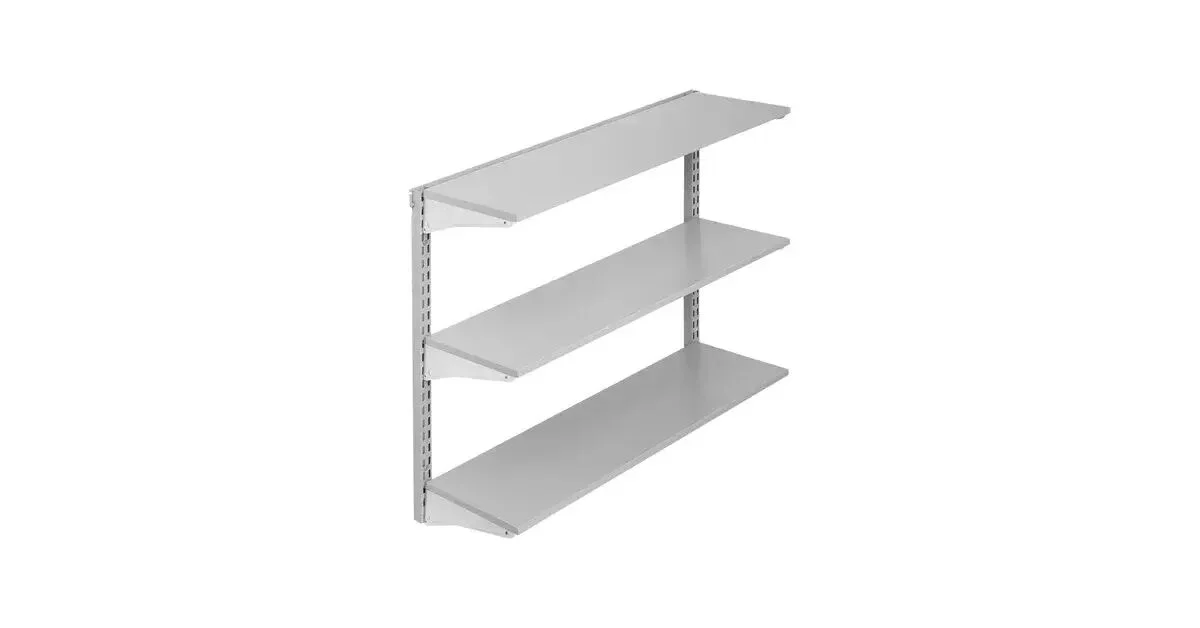
Wall shelving is designed to be installed along the perimeter of a store. It helps retailers use vertical space while keeping the central area open for customer movement. It is commonly used for products that need larger displays or higher storage capacity.
For small stores with limited floor space, wall shelving can create more display areas without reducing aisle width.
End Cap Shelving
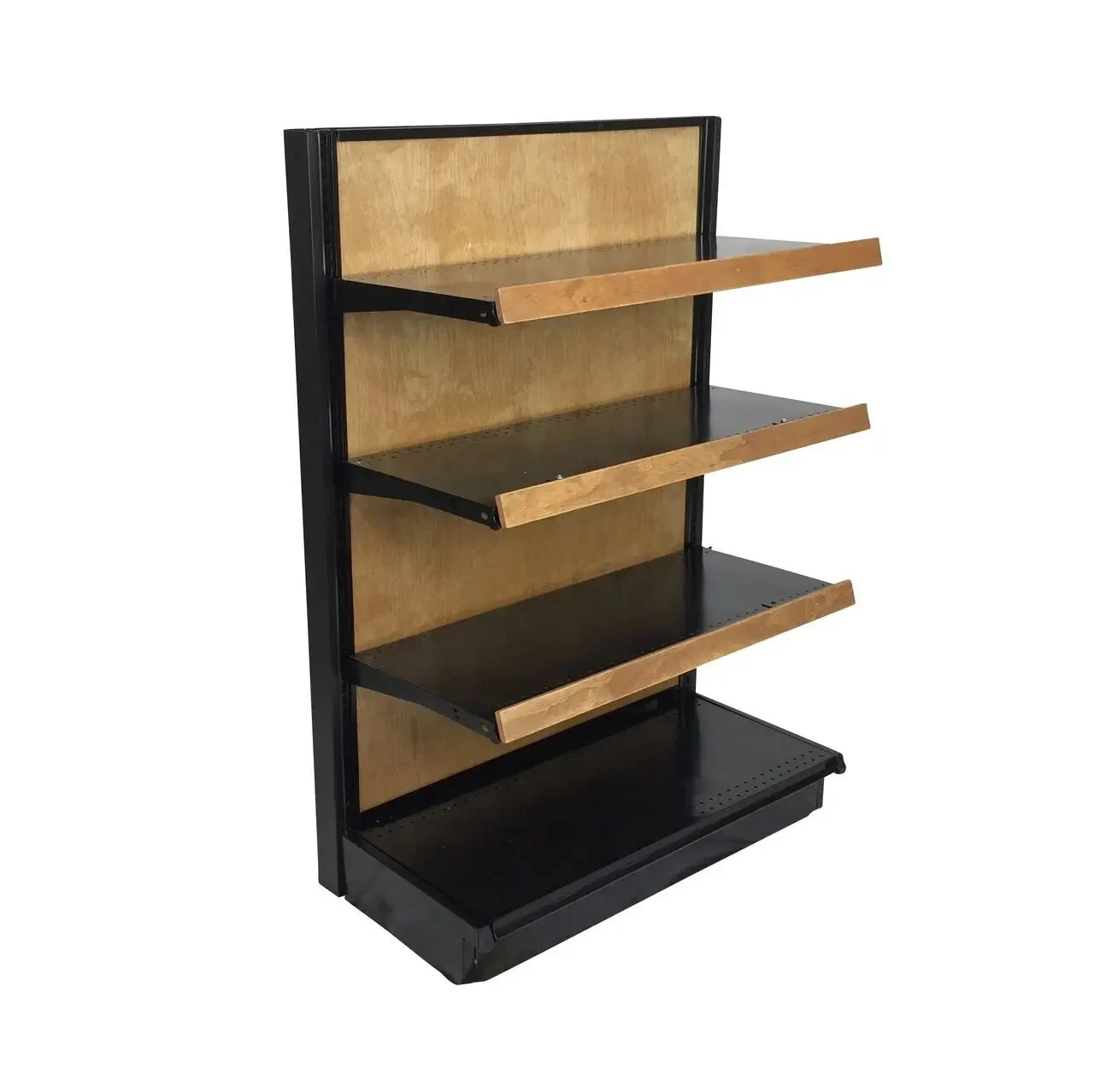
End cap shelving is placed at the end of supermarket aisles. It is often used for promotions, seasonal products, and featured items because these areas usually receive high customer attention.
Retailers can use end caps to highlight new products or increase visibility for special offers.
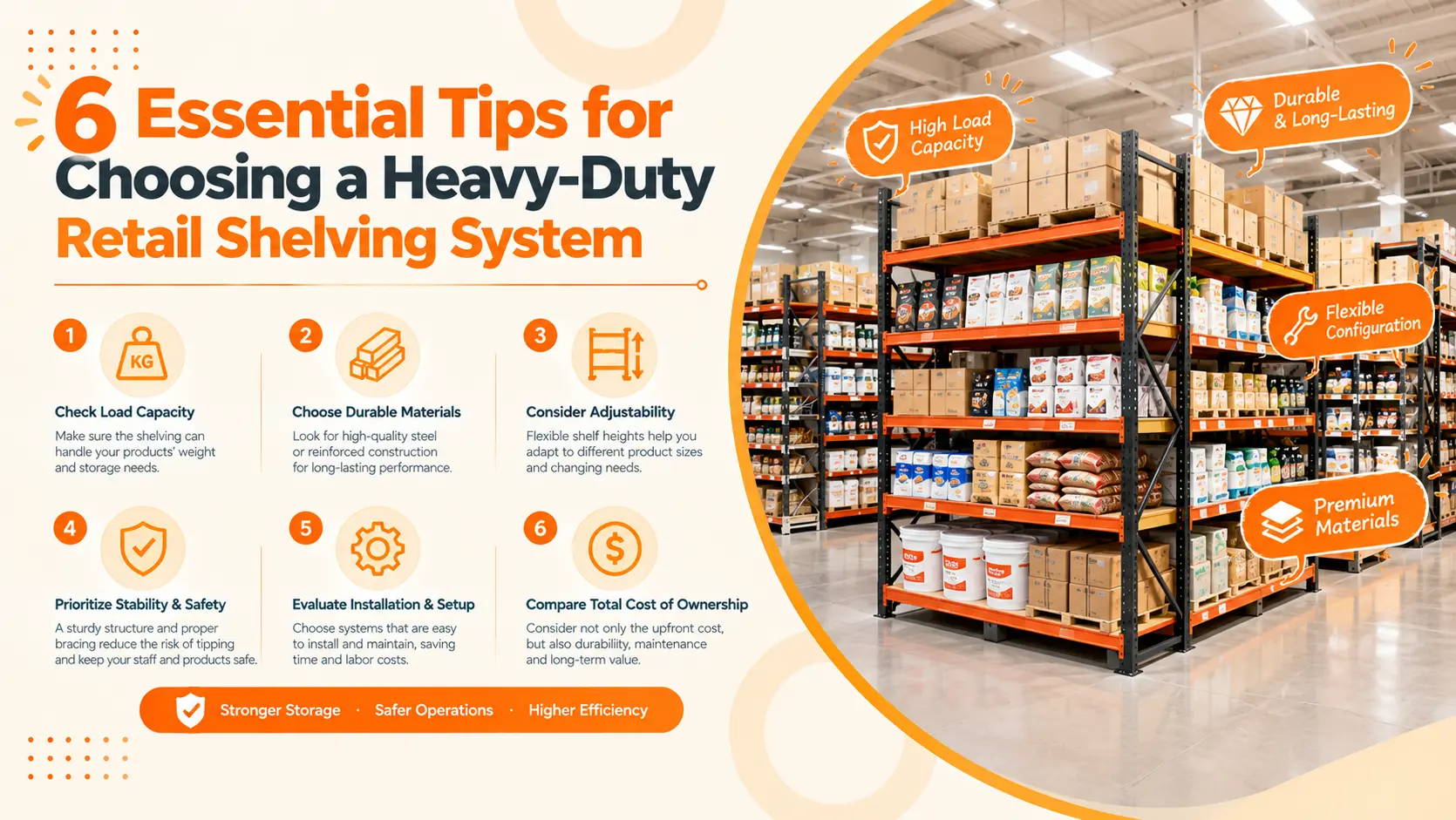
Heavy-Duty Shelving
For products with higher weight requirements, such as beverages, bulk food, and large packages, heavy-duty shelving is a better option. These shelves are designed with stronger structures and higher load capacity to support heavier items.
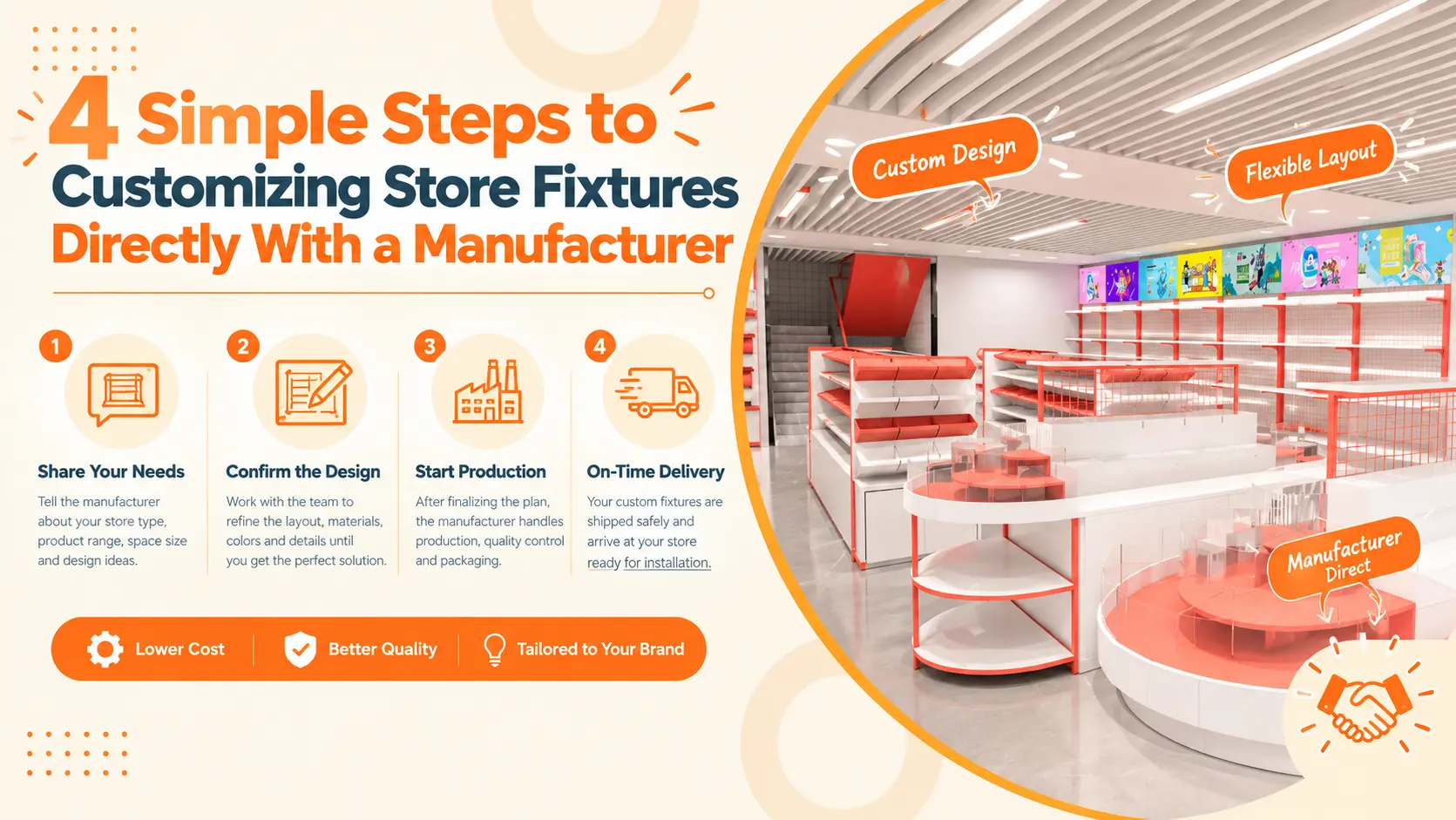
Custom Supermarket Shelving
Some retailers need more than standard shelves. Custom supermarket shelving allows businesses to adjust dimensions, materials, colors, and layouts based on their brand image and store requirements.
Custom solutions are especially useful for chain supermarkets, specialty stores, and projects with unique display needs.
3. Evaluate Load Capacity
When evaluating load capacity, consider both the product weight and how items are displayed. Products such as snacks and paper goods usually need light-duty shelves, while canned food, beverages, and bulk items require stronger structures. A suitable supermarket shelving system should provide stable support even during busy seasons when shelves are fully stocked.
| Load Level | Suitable Products |
| Light Duty (50 – 100 kg) | Snacks, bakery items, paper products |
| Medium Duty (100 – 200 kg) | Canned food, packaged goods, personal care products |
| Heavy Duty (200+ kg) | Beverages, bulk food, large household items |
For most grocery stores, it is better to choose shelves with some extra capacity instead of selecting a system that only meets current needs. Future product expansion, seasonal promotions, and higher inventory levels may increase the load on your retail shelving.
A reliable supermarket shelving supplier should provide clear load ratings and help you select the right shelf structure based on your product categories. Factors such as shelf material, support design, and weight distribution all affect the final performance of the shelving system.
4. Select the Right Shelf Dimensions
Consider Shelf Height
Shelf height determines how much vertical space you can use and how easily customers can see products. Taller shelves provide more storage space, but they may block visibility across the store. Lower shelves create a more open feeling and make it easier for shoppers to view different sections.
For most supermarkets, gondola shelving with adjustable shelf levels is a practical choice. It allows retailers to change the space between shelves based on different product sizes.
Consider Shelf Depth
Shelf depth should match your product size and display needs. Deeper shelves can hold more products, but they may make items at the back harder to see and reach. Shallow shelves improve product visibility but provide less storage space.
For example:
- Snacks and small packaged goods usually need less depth.
- Beverages and bulk products often require deeper shelves.
- High-turnover products may benefit from easier access rather than maximum storage.
Consider Shelf Width and Module Size
The width of each shelving unit affects how products are arranged and how easily the store can expand. Standard modular sizes make it easier to add more sections or adjust the layout in the future.
When planning retail shelving, consider:
- Number of product categories
- Available wall and floor space
- Future store expansion plans
Consider Aisle Space
Shelf dimensions should always work together with your store layout. Even high-quality shelves will reduce shopping comfort if aisles are too narrow. Leave enough space for customers, shopping carts, and restocking activities.
5. Choose Durable Materials

Steel Shelving: A Reliable Choice for Most Stores
Steel is the most common material used for supermarket shelves because it offers good strength, durability, and flexibility. It is suitable for many retail environments, including supermarkets, grocery stores, and convenience stores.
For better protection, many steel shelves use a powder-coated finish. This surface treatment helps improve resistance to scratches, daily wear, and corrosion. It also allows retailers to choose different colors to match their store design.
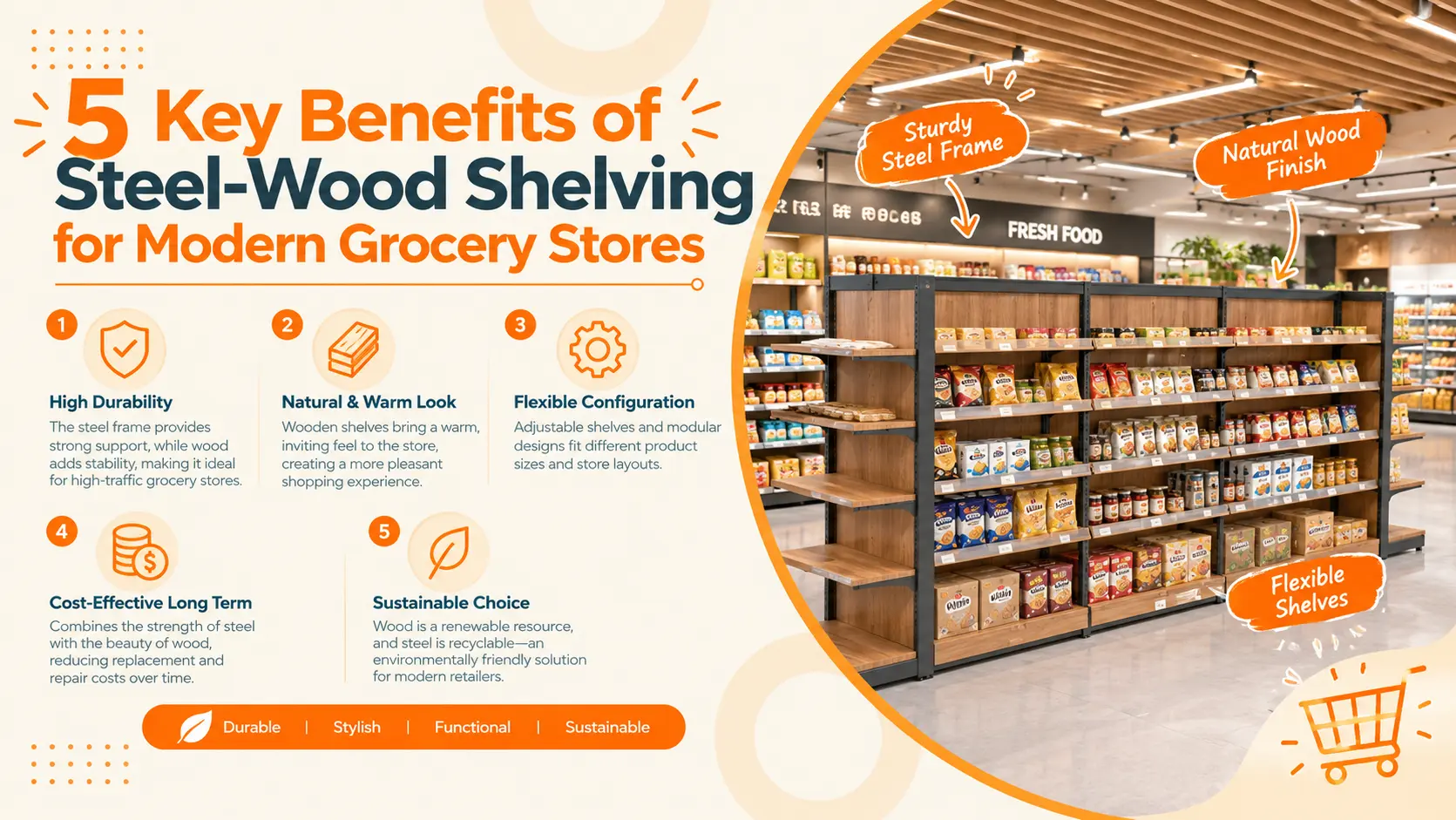
Steel and Wood Shelving: Combining Function and Design
For retailers that want a more premium look, steel and wood shelving can be a good option. The steel structure provides stability, while wood elements create a warmer and more attractive display style.
This type of retail shelving is often used in specialty supermarkets, organic food stores, and stores that focus on brand image.
Consider Material Quality, Not Only Appearance
A low-cost shelving system may look similar to a high-quality one, but the difference often comes from material thickness, surface treatment, and manufacturing quality.
When comparing materials, retailers should check:
- Steel thickness and structural strength
- Surface coating quality
- Resistance to rust and scratches
- Compatibility with different product weights
6. Look for Adjustable & Modular Shelving
Retail environments change constantly. New products are added, seasonal promotions appear, and customer shopping habits can shift over time. For this reason, choosing adjustable shelving and a modular supermarket shelving system gives retailers more flexibility for future changes.
A modular supermarket shelving system makes store updates easier. Retailers can add new sections, move shelves, or adjust the layout without replacing the entire system.
When choosing adjustable and modular retail shelving, consider:
- Easy shelf height adjustment
- Compatibility with different accessories
- Ability to expand or reconfigure
- Stable structure after repeated adjustments
- Support for future store layout changes
7. Consider Product Visibility and Merchandising
Use Shelf Position to Improve Product Exposure
The position of products on supermarket shelves can influence customer attention. Products placed at eye level are usually easier to notice, making this area suitable for best-selling items, new products, and high-margin goods. Lower shelves are often better for bulk products or items with larger packaging.
Retailers should also avoid overcrowding shelves. Too many products in one area can make displays look messy and reduce product recognition. A clear arrangement helps shoppers find what they need and improves the overall appearance of the store.
Choose Shelving That Supports Flexible Merchandising
Different products require different display methods. Adjustable shelving allows retailers to change shelf heights and create suitable spaces for various product sizes.
For example:
- Small packaged goods need clear front-facing displays.
- Beverages need stronger shelves with enough vertical space.
- Promotional items often need high-visibility areas such as end caps.
Use End Caps and Display Areas Effectively
End cap shelving is one of the most valuable areas in a supermarket. Located at the end of aisles, these displays can attract customer attention and highlight promotional products, seasonal items, or new arrivals.
When planning your supermarket shelving system, think about how each section supports your merchandising goals. The right combination of gondola shelving, wall shelving, and promotional displays helps retailers create a store that is easy to shop and effective for sales.
8. Think About Future Store Growth
When choosing supermarket shelving, it is important to consider not only your current store needs but also your future growth plans.
A scalable supermarket shelving system allows you to make changes more easily. For example, you may need to add more product sections, create new promotional areas, or adjust your store layout after expanding your sales area.
When evaluating shelving for future growth, consider:
- Whether shelves can be extended with additional units
- Whether shelf heights and accessories can be adjusted
- Whether the system works for different product categories
- Whether the design can support new store layouts
9. Compare Custom vs Standard Shelving
Standard Supermarket Shelving
Standard shelving is a practical option for retailers that need a simple and efficient display solution. These systems usually come in common sizes and designs, which makes them easier to order, install, and replace.
Advantages of standard supermarket shelves include:
- Lower initial cost
- Faster delivery and installation
- Easy replacement of parts
- Suitable for simple store layouts
Standard shelving works well for small grocery stores, temporary retail spaces, or stores with basic display requirements.
Custom Supermarket Shelving
Custom supermarket shelving is designed around your specific store requirements. It allows retailers to adjust shelf sizes, materials, colors, accessories, and configurations based on their products and brand image.
Custom solutions are useful for:
- Stores with unique floor plans
- Chain retailers with consistent branding
- Supermarkets that need special display areas
- Projects requiring specific shelf dimensions or functions
A customized supermarket shelving system can also support future changes. Retailers can add accessories, adjust layouts, or create new display zones without replacing the entire system.
For most long-term retail projects, custom solutions can provide better value because they support better space use, stronger merchandising, and future growth. However, standard shelving remains a good choice when speed and budget are the main priorities.
10. Choose a Reliable Supermarket Shelving Supplier
Check Manufacturing Experience and Production Ability
Before making a decision, check:
- Years of experience in retail shelving manufacturing
- Factory size and production capacity
- Previous supermarket projects
- Export experience
- Quality control process
Evaluate Customization Capabilities
Every store has different space, product types, and branding needs. A professional supermarket shelving supplier should offer customization options, such as shelf dimensions, materials, colors, accessories, and layout solutions.
A supplier with strong OEM and ODM capabilities can help turn your store requirements into a practical shelving solution.
Consider Quality Control and After-Sales Support
A reliable supplier should provide:
- Material inspection
- Production quality checks
- Clear product specifications
- Installation guidance
- After-sales support
Supplier Evaluation Checklist
| Factor | What to Check |
| Experience | Years in shelving manufacturing |
| Quality | Materials, testing, and inspection process |
| Customization | OEM/ODM and design support |
| Capacity | Production ability and delivery time |
| Service | Installation and after-sales support |
How DAHO Helps Retailers Choose the Right Shelving Solution
Choosing the right supermarket shelving can be challenging, especially when every store has different space, product types, and business goals. As an experienced supermarket shelving supplier, DAHO helps retailers create practical shelving solutions based on their actual store needs.
With over 20 years of experience in retail display manufacturing, DAHO provides one-stop services from design and engineering to production and delivery. The team works with retailers to understand their store layout, product requirements, and display goals before developing a suitable supermarket shelving system.
Customized Shelving Design for Different Retail Needs
DAHO offers custom supermarket shelving solutions with flexible options for:
- Shelf sizes and structures
- Materials and finishes
- Colors and branding elements
- Product display configurations
- Packaging solutions
Complete Support from Concept to Delivery
The service includes:
- Requirement analysis
- Custom design and engineering
- Sample testing and quality checks
- Production and assembly
- Protective packaging
- Global delivery
Reliable Manufacturing for Long-Term Use
DAHO operates its own manufacturing facility with capabilities covering metal fabrication, wood processing, quality inspection, and assembly. This supports both standard retail shelving projects and customized solutions.
Whether you need gondola shelving for supermarket aisles, wall displays for better space utilization, or a complete customized store solution, DAHO can help create a shelving system that matches your products and growth plans.
FAQ: How to Find the Right Supermarket Shelving
1. What type of supermarket shelving is best for grocery stores?
The best choice depends on your store size, products, and layout. Gondola shelving is widely used because it provides flexible displays, good visibility, and easy adjustment for different products.
2. How much weight can supermarket shelves hold?
The load capacity depends on the shelf design, materials, and structure. Heavy-duty shelving is recommended for products like beverages, canned goods, and bulk items.
3. Should I choose custom supermarket shelving?
Yes, if your store has unique space requirements, branding needs, or special display goals. Custom supermarket shelving allows you to adjust sizes, materials, and layouts for better results.
4. Why is adjustable shelving important for supermarkets?
Adjustable shelving allows retailers to change shelf heights, update displays, and adapt to new product categories. It helps stores remain flexible as business needs change.
5. How do I choose a reliable supermarket shelving supplier?
Look for a supplier with manufacturing experience, customization capabilities, quality control, and strong after-sales support. A reliable partner can provide a complete supermarket shelving system for long-term use.
Conclusion
Choosing the right supermarket shelving is an important decision that affects your store’s layout, product display, and long-term efficiency.
Before making a purchase, retailers should consider key factors such as shelving type, dimensions, materials, flexibility, and supplier experience. Working with an experienced supermarket shelving supplier can ensure better quality, customization, and long-term support.
With over 20 years of experience in retail display manufacturing, DAHO provides customized shelving solutions for supermarkets, grocery stores, and retail projects worldwide.
Looking for the right shelving solution for your store? Contact us today to discuss your project and get professional recommendations for customized supermarket shelving designed around your business needs.

Ivy is a shelving specialist at DAHO, a supermarket shelving manufacturer in China. She shares practical knowledge on retail shelving design, metal and wood fabrication, and store display systems. She helps global retailers and wholesalers understand shelving structures and choose the right factory solutions.