Opening a supermarket can be a rewarding business, but it is also one of the most complex retail ventures to launch. From choosing the right location and creating a supermarket business plan to designing an efficient supermarket layout and finding reliable suppliers, every decision affects your future profits.
In this guide, we’ll walk you through 10 practical steps to help you open a supermarket. You’ll learn how to research your market, estimate startup costs, choose the best location, design a customer-friendly store, select the right supermarket shelving and equipment, source reliable suppliers, and prepare for a successful grand opening.

Key Takeaways
- Opening a supermarket requires careful planning, from market research and budgeting to supplier selection and daily operations.
- A solid supermarket business plan helps you control startup costs and reduce business risks.
- The right supermarket layout and supermarket shelving can improve customer flow, increase product visibility, and boost sales.
- Choose reliable suppliers and invest in durable supermarket equipment to support long-term growth.
- Following these 10 practical steps will help you open a supermarket with greater confidence and build a profitable retail business.
Step 1 – Conduct Market Research Before You Open a Supermarket
Before investing money, take time to answer three key questions:
- Who are your target customers?
- What products do they need?
- How can your store compete with existing supermarkets?
Identify Your Target Customers
Different customer groups have different shopping habits, budgets, and product preferences.
For example:
- Families may need larger package sizes and weekly grocery shopping options.
- Students often prefer affordable products and convenient locations.
- Office workers may look for quick meals, snacks, and ready-to-eat products.
- Local residents may value fresh products and daily essentials.
Analyze Local Competitors
Check:
- Store size and location
- Product range
- Price levels
- Customer reviews
- Store design and shopping experience
- Strengths and weaknesses
For example, if nearby supermarkets focus on low prices, you may compete through better service, specialty products, or a more comfortable shopping environment.
Choose the Right Store Format
Not every area needs a large supermarket. A smaller store may perform better in a residential community, while a larger format may work well in high-traffic commercial areas.
Common options include:
- Neighborhood supermarket – focuses on daily shopping needs
- Mini supermarket – suitable for smaller locations with limited investment
- Discount supermarket – attracts price-sensitive customers
- Specialty grocery store – targets specific customer groups
Step 2 – Create a Supermarket Business Plan
Define Your Supermarket Business Model
Consider:
- Store type: Neighborhood supermarket, mini supermarket, discount store, or premium grocery store
- Target customers: Families, local residents, office workers, or specific communities
- Product focus: Daily essentials, fresh food, imported products, organic goods, or specialty items
- Sales strategy: Low-price competition, better service, or unique product selection
Estimate Your Supermarket Startup Costs
Your budget should include:
- Store rent and deposit
- Renovation and interior design
- Initial inventory
- Supermarket shelving and display fixtures
- Refrigeration equipment
- POS systems and software
- Staff hiring and training
- Licenses and insurance
- Marketing expenses
- Working capital for daily operations
Plan Your Revenue and Profit Goals
Estimate how much sales revenue you need to cover expenses and reach your expected profit.
Your financial plan should include:
- Expected daily customer traffic
- Average customer spending
- Product profit margins
- Monthly operating costs
- Break-even point
Prepare a Store Setup Plan
Consider:
- How customers will move through the store
- Where key product categories will be placed
- How much shelving space each category needs
- What type of fixtures you need, such as gondola shelving, wall shelving, or retail display racks
Review and Update Your Business Plan Regularly
Review your plan when:
- Adding new product categories
- Expanding store size
- Changing suppliers
- Opening additional locations
Step 3 – Choose the Best Location
What Makes a Good Supermarket Location?
A profitable location usually has several key features:
High customer demand
Choose an area where your target customers live, work, or shop regularly. Residential communities, business districts, and growing neighborhoods can provide stable customer flow.
Consider:
- Population density
- Local income levels
- Family size
- Shopping habits
- Future development plans
Easy access and good visibility
Customers should be able to find and enter your store easily.
Look for:
- Main roads or busy streets
- Clear store signs
- Easy entrance and exit
- Public transportation nearby
- Enough parking spaces
Reasonable competition
Competition is not always a bad sign. Nearby supermarkets may show that there is strong customer demand in the area. However, you need to understand how your store can be different.
Analyze:
- Competitor prices
- Product selection
- Store size
- Customer reviews
- Service quality
For example, you can compete through better fresh products, lower prices, specialty items, or a more comfortable grocery store layout.
Store Size Considerations
Small supermarket
Suitable for:
- Residential areas
- Limited investment budgets
- Daily shopping needs
Focus on:
- Essential products
- Efficient supermarket shelving
- Simple store management
Medium supermarket
Suitable for:
- Community shopping centers
- Growing neighborhoods
Usually requires:
- Wider product categories
- Better inventory management
- More complete supermarket equipment
Large supermarket
Suitable for:
- High-traffic commercial areas
- Established retail brands
Requires:
- Larger investment
- Professional store planning
- More advanced supermarket layout
Lease vs Purchase: Which Option Is Better?
Leasing advantages:
- Lower upfront investment
- More flexibility
- Easier to test a new market
Buying advantages:
- Long-term property ownership
- More control over store changes
- Potential asset growth
For first-time owners, leasing is often a practical choice because it reduces initial financial pressure. However, always check rental costs, contract terms, and future expansion possibilities before making a decision.
Step 4 – Obtain Licenses, Permits, and Insurance

Register Your Supermarket Business
The first step is to create a legal business structure for your supermarket. This allows you to operate officially, sign supplier contracts, hire employees, and manage taxes.
Common requirements include:
- Business registration
- Tax registration
- Business operating license
- Employer registration (if hiring staff)
The specific process varies by location. Some areas may require additional registrations based on the products you sell and the services you provide.
Apply for Food Retail Licenses and Permits
Since supermarkets sell food products, food safety permits are usually one of the most important requirements.
Depending on your location, you may need:
- Food retail establishment permit
- Health department approval
- Food safety inspection
- Food handler certificates for employees
- Special permits for products such as alcohol or tobacco
Check Building and Store Safety Requirements
Common checks include:
- Building permits
- Fire safety approval
- Occupancy permits
- Signage approval
- Accessibility requirements
Get the Right Business Insurance
A grocery business has daily customer traffic, valuable inventory, and employees, which creates different types of risks.
Common insurance options include:
- General liability insurance – protects against customer accidents and property damage
- Property insurance – covers store buildings, equipment, and inventory
- Workers’ compensation insurance – protects employees in case of workplace injuries
- Product liability insurance – helps cover issues related to sold products
Step 5 – Design an Efficient Supermarket Layout
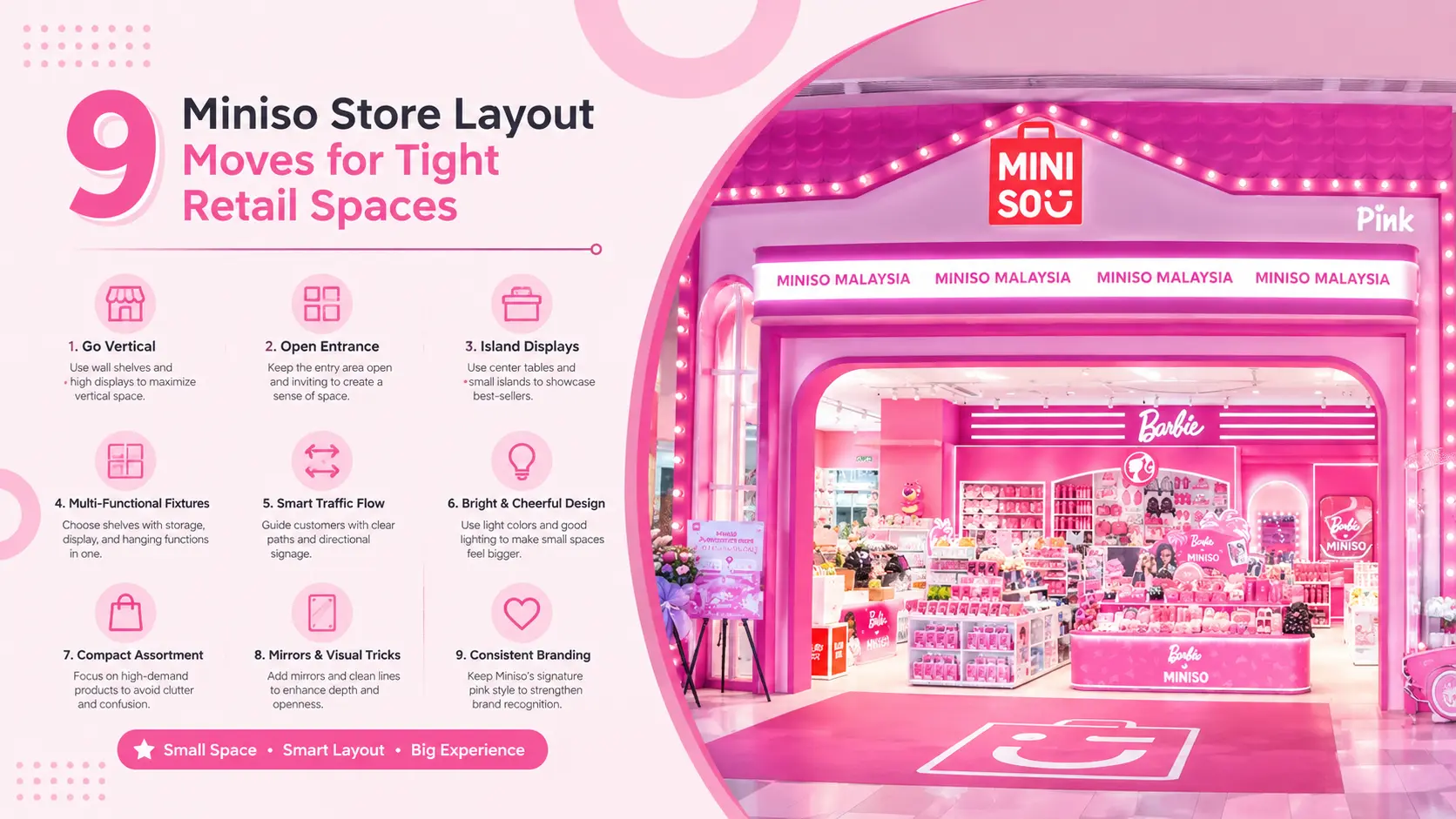
Before installing supermarket shelving and other supermarket fixtures, you should create a clear floor plan. The layout should match your store size, product categories, customer habits, and business goals.
Why Store Layout Directly Impacts Sales
Customers do not just buy products; they also respond to how products are displayed.
An effective layout helps you:
- Create smooth customer flow
- Make products easier to find
- Increase product visibility
- Reduce crowded areas
- Improve staff restocking efficiency
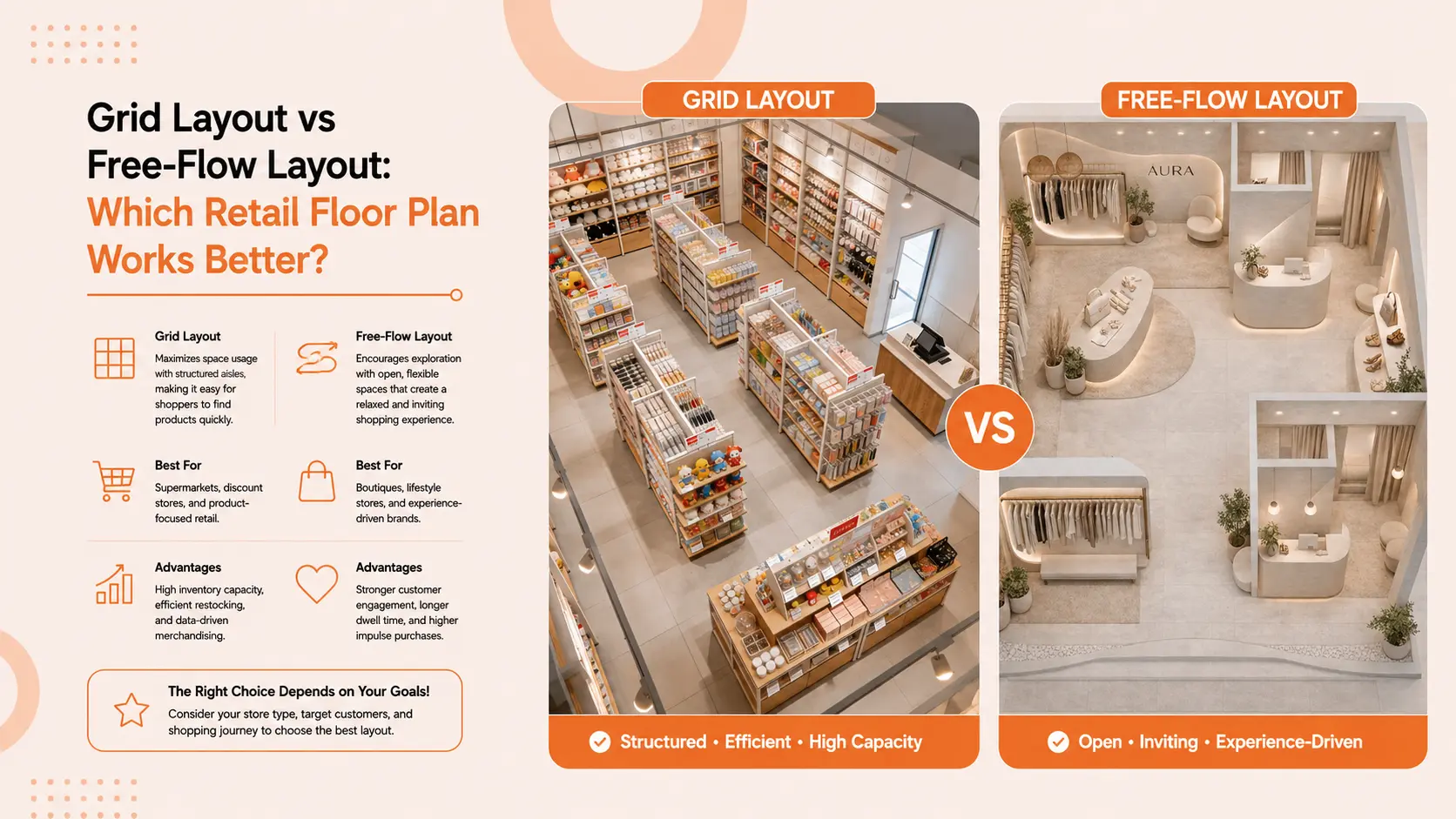
Choose the Right Supermarket Layout Type
Grid Layout
The grid layout is one of the most common choices for supermarkets. It uses straight aisles with products arranged in clear sections.
Benefits:
- Easy for customers to navigate
- Efficient use of floor space
- Simple product management
- Suitable for supermarkets with many product categories
This layout works well with gondola shelving because double-sided shelves can create organized aisles for different product groups.
Loop Layout
A loop layout guides customers along a planned path around the store.
Benefits:
- Exposes shoppers to more products
- Creates a natural shopping journey
- Works well for medium and large supermarkets
Free Flow Layout
A free flow layout uses flexible product displays.
Benefits:
- Creates a more comfortable shopping atmosphere
- Works well for premium supermarkets
- Allows creative product displays
It is often used for specialty stores or supermarkets that focus on customer experience.
Plan Product Categories Strategically
A common product arrangement includes:
- Fresh produce near the entrance to create a welcoming first impression
- Daily essentials in easy-to-find areas
- High-demand products placed to support customer flow
- Promotional items near entrances and checkout areas
- Complementary products placed close together
Design Comfortable Aisles and Shopping Paths
When planning your layout, consider:
- Aisle width
- Shelf height
- Entrance and exit positions
- Checkout space
- Customer traffic areas
Step 6 – Choose the Right Supermarket Shelving and Equipment
Essential Supermarket Equipment Checklist
A complete supermarket setup requires different types of equipment for product display, storage, and daily operations.
Common supermarket equipment includes:
- Gondola shelving – used for central aisles and high-volume product displays
- Wall shelving – helps maximize wall space and display more products
- End cap displays – ideal for promotions and featured products
- Retail display racks – suitable for special products and impulse purchases
- Checkout counters
- Shopping carts and baskets
- Refrigeration equipment
- Storage racks
- Product baskets and accessories
How to Choose Supermarket Shelving
Before making a purchase, evaluate the following factors:
Store Size and Layout
Small supermarkets may need compact solutions, while larger stores usually require flexible systems that can create multiple aisles.
For example:
- Central aisles: double-sided gondola shelving
- Store walls: single-sided wall shelving
- Checkout areas: small display racks for impulse products
Before selecting shelves for your store, it is important to understand different types of supermarket racks, their structures, applications, and how they can improve your store layout. Check our complete guide to supermarket racks to learn how to choose the right shelving solution for your business.
Load Capacity and Durability
Beverage, household, and bulk products usually require stronger shelves than lightweight goods.
When choosing shelves, check:
- Material quality
- Weight capacity
- Shelf stability
- Surface finish
- Product lifespan
Adjustability and Flexibility
Seasonal promotions, new products, and changing customer demand may require display adjustments.
Modular shelving systems allow you to:
- Change shelf height
- Add accessories
- Adjust product displays
- Update store layouts
Why Gondola Shelving Is Popular for Supermarkets
Gondola shelving is one of the most common choices for supermarkets and retail stores because it combines flexibility, durability, and efficient space use. It can be configured as single-sided units against walls or double-sided units to create shopping aisles.
Key advantages include:
- Maximizing floor space
- Creating organized aisles
- Improving product visibility
- Supporting different product categories
- Easy adjustment and expansion
Step 7 – Find Reliable Suppliers
Find the Right Types of Suppliers
Common supplier categories include:
- Food suppliers – provide fresh food, packaged goods, beverages, and daily essentials
- Equipment suppliers – provide refrigerators, checkout counters, and other supermarket equipment
- Shelving manufacturers – provide supermarket shelving, gondola shelving, and store fixtures
- Logistics partners – support transportation and inventory delivery
Where to Find Supermarket Suppliers
- Industry trade shows
- Wholesale directories
- Manufacturer websites
- B2B marketplaces
- Local business networks
- Recommendations from other retailers
For store equipment, working directly with manufacturers can often provide more customization options.
What to Look for in a Reliable Supplier
Key factors include:
Product Quality
- Material quality
- Load capacity
- Production standards
- Product durability
Production and Delivery Ability
A good supplier should have enough capacity to meet your needs.
Ask about:
- Production time
- Minimum order quantity
- Stock availability
- Shipping options
- Delivery schedule
Experience and Customer Support
Check:
- Years in business
- Previous projects
- Customer reviews
- Response speed
- After-sales service
Before placing a large order, request samples or start with a small trial order when possible.
Consider Sourcing Supermarket Equipment from China
For many international supermarket owners, sourcing equipment from China is an option to reduce costs and access more customization choices.
Chinese manufacturers can provide:
- Custom supermarket shelving
- Gondola shelving systems
- Retail display racks
- Complete store fixture solutions
- OEM and ODM services
When selecting a Chinese supplier, focus on factory experience, quality control, production ability, and communication.
With more than 20 years of experience in retail display solutions, DAHO provides customized shelving systems for supermarkets, grocery stores, convenience stores, and retail chains worldwide.
Step 8 – Stock the Right Products
Build the Right Product Mix
Before you stock your store, identify what your customers buy most often.
A typical supermarket product mix includes:
- Fresh food – fruits, vegetables, meat, seafood, bakery products, and dairy
- Packaged food – snacks, canned goods, pasta, rice, and cooking ingredients
- Beverages – water, soft drinks, coffee, and juice
- Household products – cleaning supplies and daily necessities
- Personal care products – skincare, hygiene products, and toiletries
- Specialty products – imported goods, organic products, or local items
The right product mix depends on your customers. For example, a neighborhood supermarket may focus on daily essentials, while a premium store may include more specialty and high-value products.
Start with Popular and Profitable Items
When selecting products, consider:
- Customer buying habits
- Product demand in your area
- Profit margins
- Shelf life
- Supplier reliability
High-demand products should always be easy for customers to find.
Manage Inventory Carefully
- Track your best-selling products
- Set regular reorder points
- Monitor slow-moving items
- Check product expiration dates
- Adjust stock based on seasonal demand
Choose Reliable Product Suppliers
When evaluating suppliers, check:
- Product quality
- Wholesale prices
- Delivery schedule
- Minimum order quantity
- Payment terms
- Customer support
Organize Products for Better Sales
- Place popular items in easy-to-access areas
- Use end caps for promotions
- Group related products together
- Keep shelves clean and organized
- Highlight seasonal products
Step 9 – Hire and Train Your Team

Hire Employees for Key Supermarket Positions
Common supermarket positions include:
- Store manager – manages daily operations, staff schedules, and store performance
- Cashiers – handle payments and provide customer service at checkout
- Stock clerks – refill products and keep shelves organized
- Department staff – manage areas such as fresh food, bakery, or meat sections
- Inventory staff – track stock levels and support product ordering
- Cleaning and maintenance staff – keep the store safe and comfortable
Train Employees Before Opening Day
Important training areas include:
Customer Service Training
Employees should learn how to:
- Welcome customers
- Answer product questions
- Handle complaints
- Provide a helpful shopping experience
Product and Shelf Management Training
Training should cover:
- Product placement
- Shelf organization
- Price tag checking
- Stock rotation
- Restocking procedures
POS and Inventory System Training
Employees should know how to use:
- POS systems
- Barcode scanners
- Payment terminals
- Inventory software
Food Safety and Workplace Safety Training
If your supermarket sells fresh food, employees need proper food handling knowledge.
Important topics include:
- Food storage rules
- Hygiene standards
- Cleaning procedures
- Safe equipment use
- Emergency response
Create Clear Daily Operating Procedures
A successful supermarket needs consistent routines. Create simple procedures that employees can follow every day.
Your operating checklist may include:
- Opening and closing tasks
- Shelf inspection
- Inventory checks
- Cleaning schedules
- Customer service standards
- Equipment checks
Step 10 – Prepare for a Successful Grand Opening
Start Marketing Before Opening Day
Effective pre-opening activities include:
- Creating social media pages
- Sharing opening dates and promotions
- Distributing local flyers
- Setting up your Google Business Profile
- Partnering with nearby communities or businesses
- Building an email or loyalty list
For a local supermarket, nearby residents are often your most valuable first customers. Focus your marketing on people who live, work, or shop around your location.
Prepare Your Store for Opening Day
Make sure you have:
- Full product shelves
- Correct price labels
- Tested POS systems
- Clean shopping areas
- Organized supermarket shelving
- Working refrigerators and equipment
- Trained employees
- Enough shopping carts and baskets
Your supermarket layout should also be reviewed before opening. Customers should be able to find products easily and move comfortably through aisles.
Create Attractive Grand Opening Promotions
Special promotions can encourage customers to visit your supermarket for the first time. The goal is not only to increase opening-day sales but also to introduce your store to the local community.
Popular ideas include:
- Opening discounts
- Free samples
- Gift vouchers
- Loyalty program rewards
- Limited-time offers
- Special product bundles
Consider a Soft Opening First
Invite a smaller group of customers, such as local residents or partners, and collect feedback.
During this stage, check:
- Customer flow
- Checkout speed
- Product availability
- Employee performance
- Equipment operation
Track Performance During the First 90 Days
The first few months are important for understanding customer behavior and improving your operations.
Monitor key metrics such as:
- Daily sales
- Customer numbers
- Average order value
- Best-selling products
- Inventory turnover
- Customer feedback
Use this information to adjust your product selection, pricing, and store arrangement.
Build Long-Term Success After Opening
A successful supermarket is built through continuous improvement. Keep improving your products, service, and store environment based on customer needs.
The right combination of:
- Effective marketing
- Well-trained staff
- Reliable suppliers
- Efficient supermarket equipment
- Smart store design
can help your supermarket grow steadily after launch.
With careful preparation and the right strategy, your grand opening can become the starting point for a profitable and sustainable retail business.
FAQs About Opening a Supermarket
1. Is opening a supermarket profitable?
Yes, a supermarket can be profitable because groceries have stable customer demand and frequent purchases.
However, success depends on location, product selection, cost control, and efficient operations.
2. What equipment do I need to open a supermarket?
Common supermarket equipment includes shelving, refrigerators, freezers, checkout counters, storage racks, shopping carts, and POS systems.
The exact equipment list depends on your store size, layout, and product categories.
3. How do I choose the right supermarket shelving?
Choose shelving based on your store layout, product weight, available space, and future growth plans.
Popular options include gondola shelving, wall shelving, and retail display racks.
Flexible shelving systems make future adjustments easier.
4. Can I import supermarket shelving from China?
Yes. Many international retailers source supermarket shelving from China because manufacturers can offer competitive prices and customization options.
Before ordering, check factory experience, quality standards, production capacity, and delivery support.
5. What is the best supermarket layout for small stores?
Small supermarkets usually benefit from simple and efficient layouts, such as grid layouts.
A good grocery store layout should keep aisles comfortable, improve product visibility, and make shopping easier.
6. What licenses do I need to open a supermarket?
Requirements vary by location but usually include business registration, food-related permits, health approvals, and safety inspections.
Always check local regulations before opening your store.
Conclusion
To open a supermarket successfully, you need more than a good location and enough products. A profitable store requires careful planning at every stage, from market research and budgeting to supplier selection, store design, and daily operations.
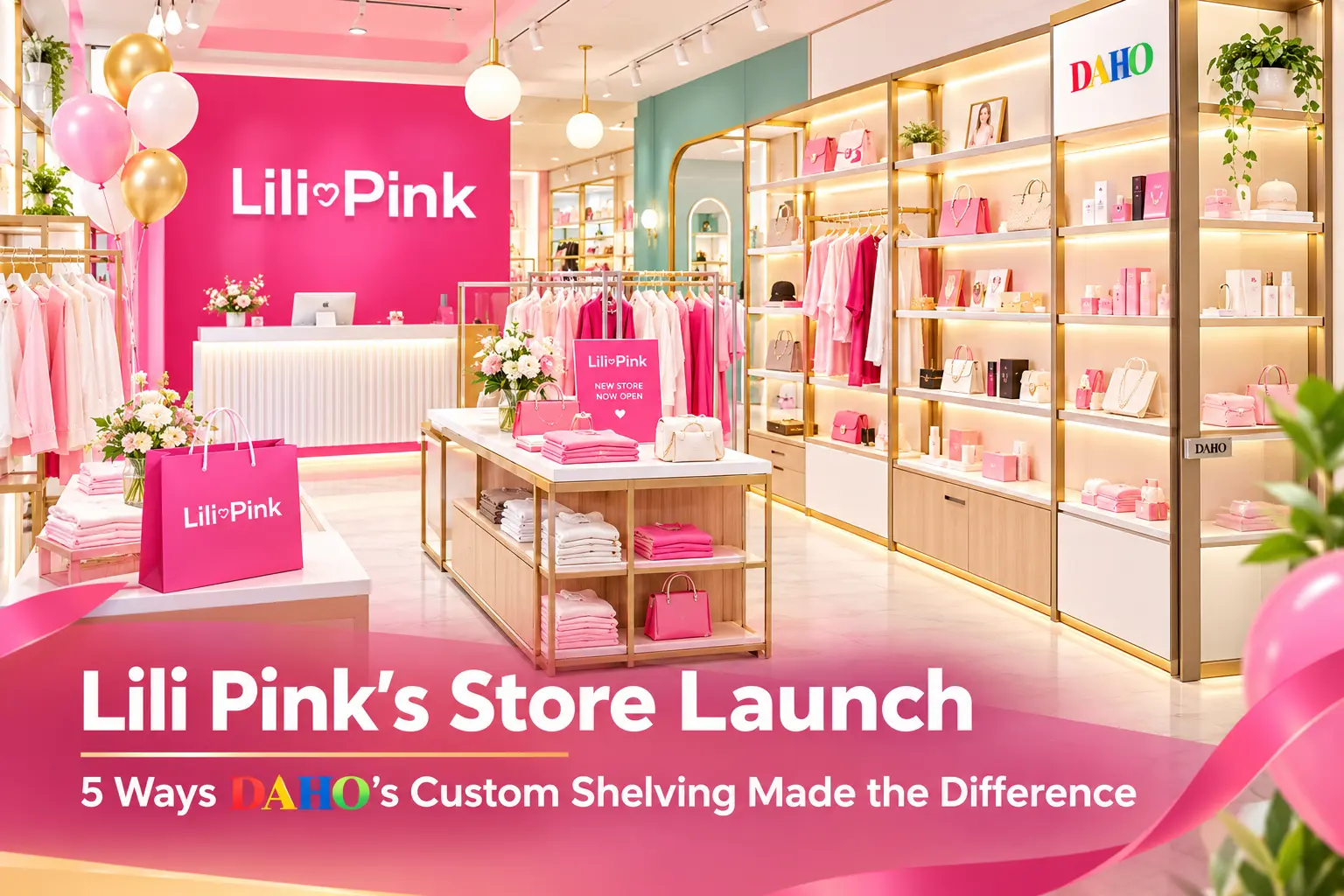
Choosing the right supermarket shelving, gondola shelving, and retail display racks is an important step toward creating an efficient and attractive store. With over 20 years of experience in retail display solutions, DAHO provides customized shelving systems for supermarkets, grocery stores, convenience stores, and retail projects worldwide.
Whether you are opening a small neighborhood store or a large supermarket, DAHO can help you design a shelving solution that fits your layout, product categories, and business goals.
Contact us today to discuss your supermarket project and get a customized shelving solution for your new store.

Ivy is a shelving specialist at DAHO, a supermarket shelving manufacturer in China. She shares practical knowledge on retail shelving design, metal and wood fabrication, and store display systems. She helps global retailers and wholesalers understand shelving structures and choose the right factory solutions.