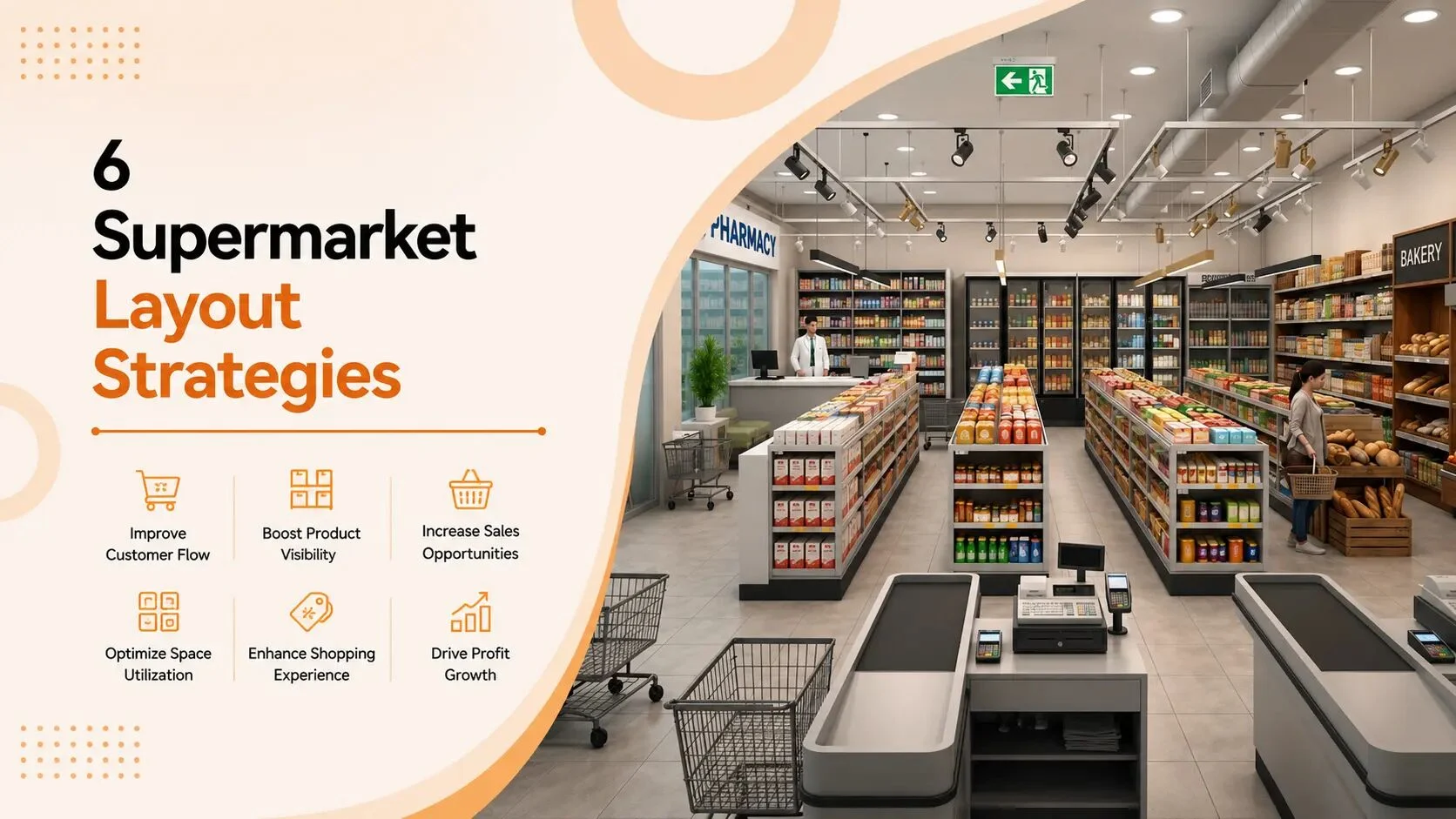
Modern shoppers make buying decisions long before they reach the checkout. A smart supermarket layout guides where customers walk, what they notice, and how much they buy.
But a successful layout is more than placing shelves in neat rows. It combines customer flow, supermarket shelving systems, product placement, and visual merchandising to create a smooth shopping experience. When these elements work together, customers spend less time searching and more time discovering products.
In this guide, you’ll learn six practical supermarket layout strategies that help attract more shoppers, encourage impulse purchases, and make better use of your retail space.
Key Takeaways
- A well-planned supermarket layout guides customer traffic, improves product visibility, and helps increase sales.
- Combine efficient supermarket shelving systems with smart product placement to create a smoother shopping experience.
- Use gondola shelving, end cap displays, and balanced aisle widths to encourage product discovery and impulse purchases.
- Design your store around customer flow instead of simply maximizing shelf space.
- Choose modular shelving that can adapt to new products, seasonal promotions, and future layout changes.
Why Supermarket Layout Matters More Than Most Retailers Think
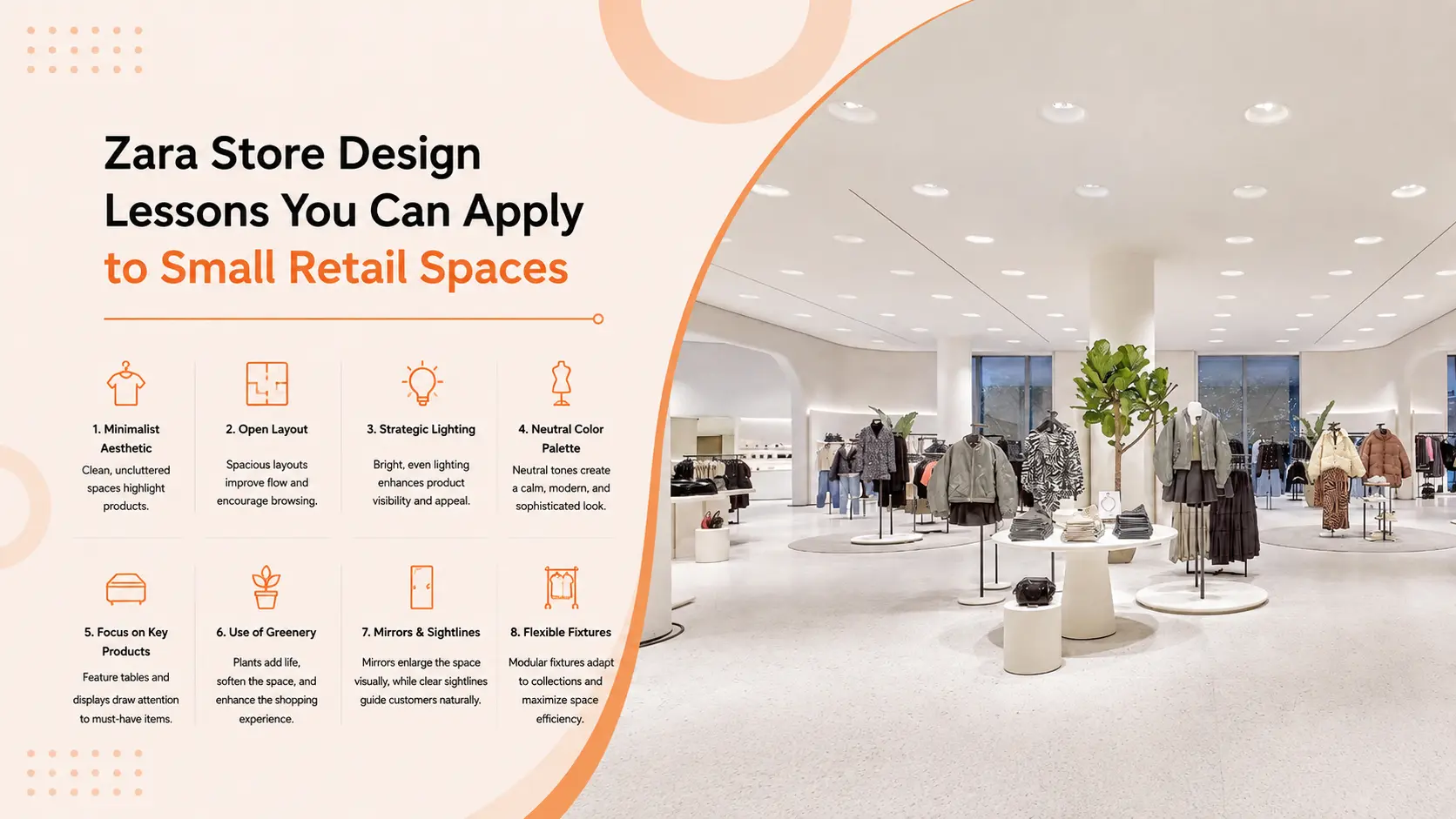
Customers do not walk through a supermarket randomly. The entrance, aisles, product zones, and displays all affect their shopping journey. A well-planned supermarket layout creates a clear path, helps shoppers find products easily, and increases product exposure.
Gondola shelving systems, wall shelving, and end cap display stands each support different parts of the store layout. When shelving and customer flow are planned together, retailers can create a smoother shopping experience and improve overall sales performance.
For this reason, supermarket layout should be treated as a sales strategy, not only a store design choice.
6 Supermarket Layout Strategies That Maximize Foot Traffic and Sales
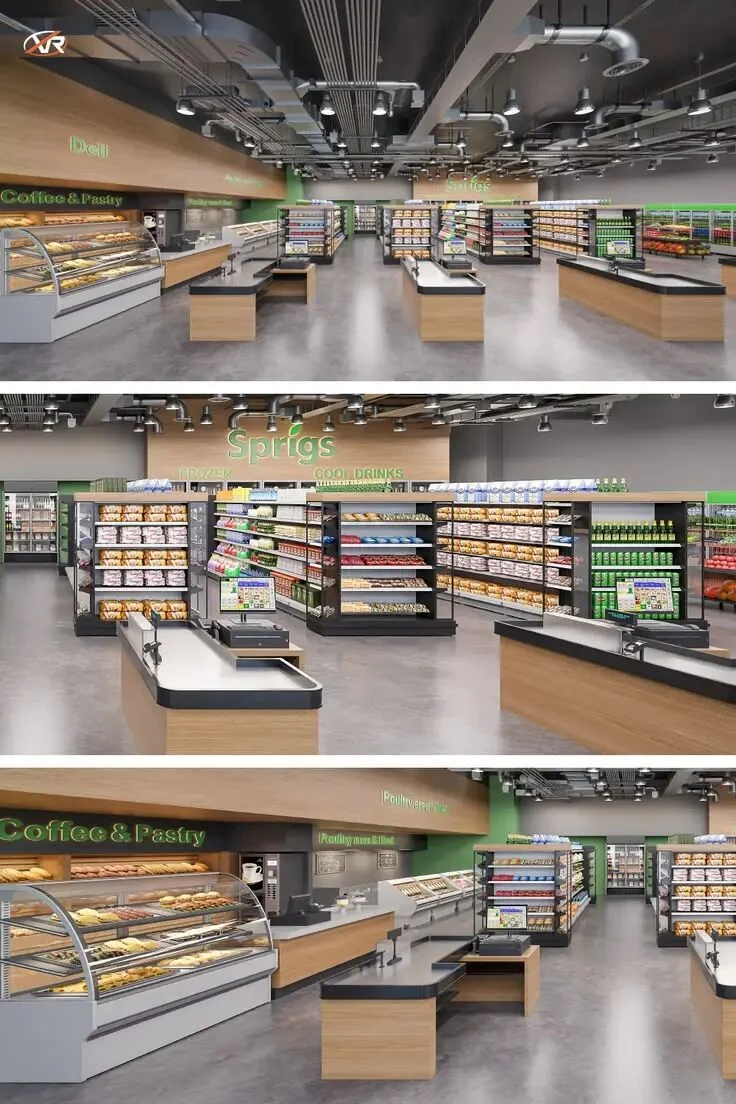
1. Create a Clear Customer Traffic Flow
Customers are more likely to explore a store when the shopping path feels natural. A good store traffic flow optimization plan guides shoppers through different product areas without creating crowded zones. When customers can move easily, they tend to stay longer, discover more products, and add more items to their carts.
One of the most effective approaches is to create a clear main pathway that connects major departments. Many successful supermarkets place fresh produce near the entrance to create a positive first impression, while everyday essentials like milk, eggs, and bread are located toward the back of the store. This encourages shoppers to pass through more aisles and increases exposure to promotional and high-margin products along the way.
At the same time, avoid layouts that create dead ends or unnecessary backtracking. Customers should be able to move naturally from one department to the next without feeling lost. Clear directional signs, open sightlines, and logical product grouping all help shoppers find what they need while encouraging them to explore nearby categories.
Your supermarket shelving systems also play an important role in customer flow. Arrange gondola shelving systems in straight, well-spaced rows to create comfortable aisles and maintain clear visibility across the store.
Best practices for improving customer flow:
- Create a clear main pathway that connects major departments.
- Place destination products toward the back to increase product exposure.
- Keep aisle intersections open to prevent bottlenecks.
- Group related products together to reduce unnecessary searching.
- Use consistent signage so customers can navigate the store with confidence.
2. Use Gondola Shelving to Build Flexible Aisles
Gondola shelving systems are one of the most popular choices for supermarkets because they support flexible and efficient store layouts. These double-sided shelves create organized aisles while allowing retailers to adjust shelf heights for different product sizes and categories. As product lines change, shelves can be reconfigured without replacing the entire system, making gondola shelving a cost-effective long-term investment.
When planned correctly, gondola shelving helps balance product capacity with customer comfort. Long, straight aisles make it easier for shoppers to navigate the store, while consistent shelf spacing improves visibility and keeps merchandise organized. Retailers can also add accessories such as hooks, baskets, dividers, and signage to display different products without changing the shelving structure.
A common layout uses double-sided gondola shelving in the center of the store and single-sided wall shelving around the perimeter. This combination creates clear shopping aisles while making full use of available wall space. High-demand categories such as beverages, packaged foods, and household products are often displayed on gondola shelves, while bulk or specialty items can be placed along the walls.
To get the best results, avoid creating aisles that are too long or difficult to cross. Adding cross aisles at key points allows customers to move easily between departments and reduces congestion during busy shopping hours. Clear category signs above each aisle also help shoppers find products faster and improve the overall shopping experience.
Best practices for using gondola shelving:
- Keep aisle spacing consistent throughout the store.
- Use double-sided units for center aisles and wall shelving around the perimeter.
- Adjust shelf heights based on product size and sales priorities.
- Install clear aisle signage to improve navigation.
- Choose modular shelving systems that can be expanded or reconfigured as your store grows.
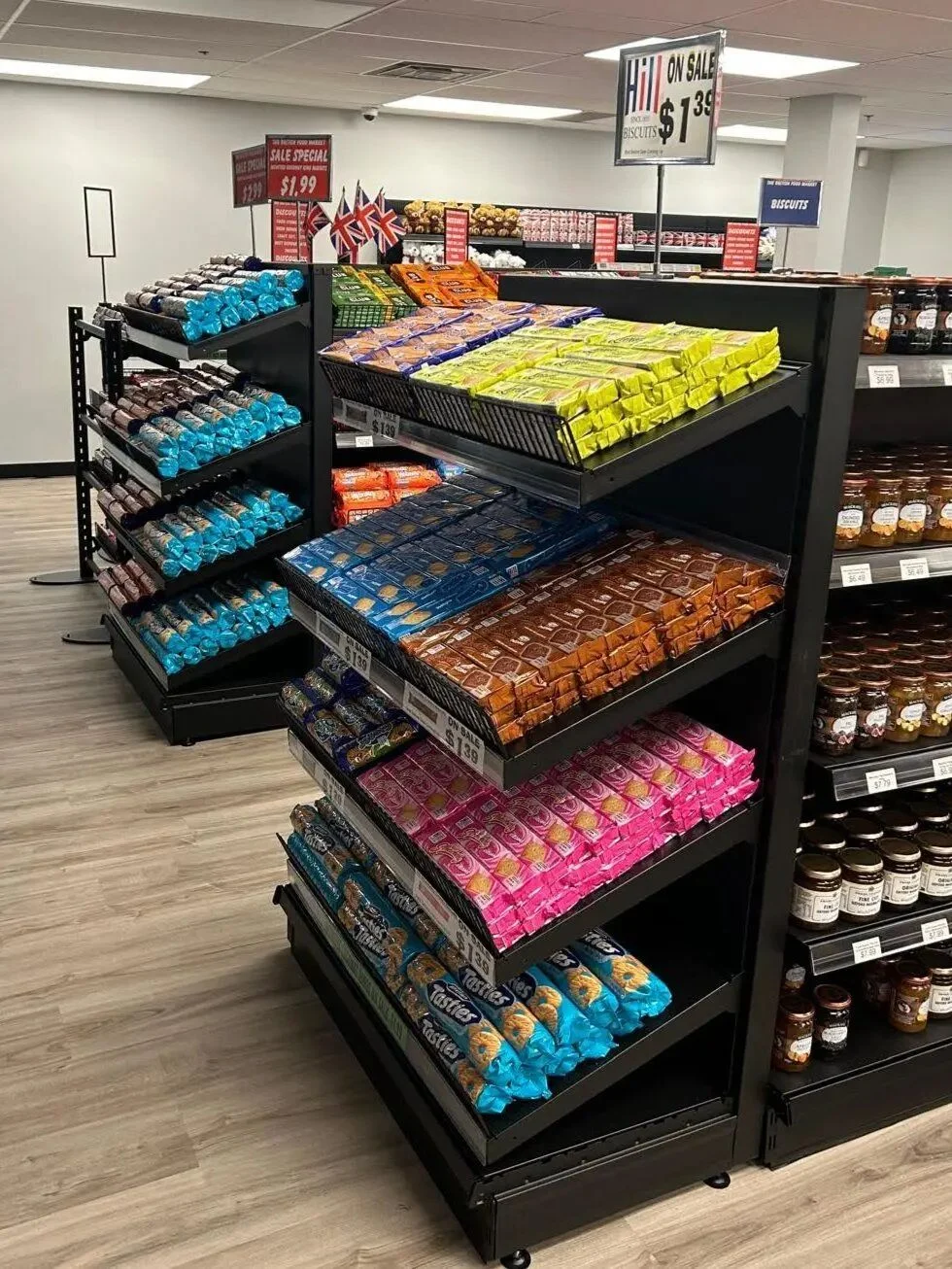
3. Turn End Caps into High-Impact Sales Areas
End cap display stands are located at the end of supermarket aisles, where customers naturally slow down, turn, or change direction. Because these areas receive high visibility from multiple angles, they attract far more attention than standard shelf sections.
Instead of filling end caps with random inventory, give each display a clear purpose. A focused message is easier for shoppers to understand and more likely to influence buying decisions.
End caps work especially well for:
- Seasonal products
- Limited-time promotions
- New arrivals
- High-margin items
You can also use end caps for cross-merchandising by placing related products together. For example, display pasta with pasta sauce, coffee with biscuits, or chips with soft drinks. These combinations remind customers of complementary items they may have forgotten, helping increase the average basket value.
To make an end cap more effective, keep the design simple and easy to scan. Use a clear promotional sign, limit the number of featured SKUs, and place your best-selling or most important product at eye level. Make sure the display stays fully stocked throughout the promotion.
Best practices for end cap displays:
- Focus on one promotion or theme for each display.
- Limit the number of products to avoid visual clutter.
- Place key items at eye level for maximum visibility.
- Use bold, easy-to-read signage to communicate the offer.
- Refresh end caps regularly to match seasonal campaigns or new product launches.
4. Balance Aisle Width for Comfort and Efficiency
When planning aisle widths, retailers should consider:
- Shopping cart movement
- Customer traffic during peak hours
- Product accessibility
- Restocking needs
Different areas of the store often require different aisle widths. Main aisles that connect entrances, fresh food sections, and checkout areas usually need more space because they carry the highest customer traffic. Secondary aisles can be slightly narrower since they mainly serve shoppers browsing specific product categories.
Aisle width should also match your supermarket shelving systems. Tall gondola shelving systems placed too close together can make the store feel crowded and reduce visibility across departments. Keeping enough space between shelving units helps customers browse comfortably and allows staff to restock products without blocking traffic. Open sightlines also make the store feel brighter and easier to navigate.
Another common mistake is placing promotional pallets, temporary displays, or stocking carts in busy walkways. Keep promotional displays in designated areas, such as end caps or promotional islands, instead of blocking the main customer path.
Best practices for aisle planning:
- Make main aisles wider than secondary aisles.
- Leave enough room for two shopping carts to pass comfortably.
- Keep intersections and aisle entrances free of temporary displays.
- Match aisle width with shelving height and product categories.
- Review customer traffic regularly and adjust layouts as shopping patterns change.
5. Build Strong Power Zones with Visual Merchandising
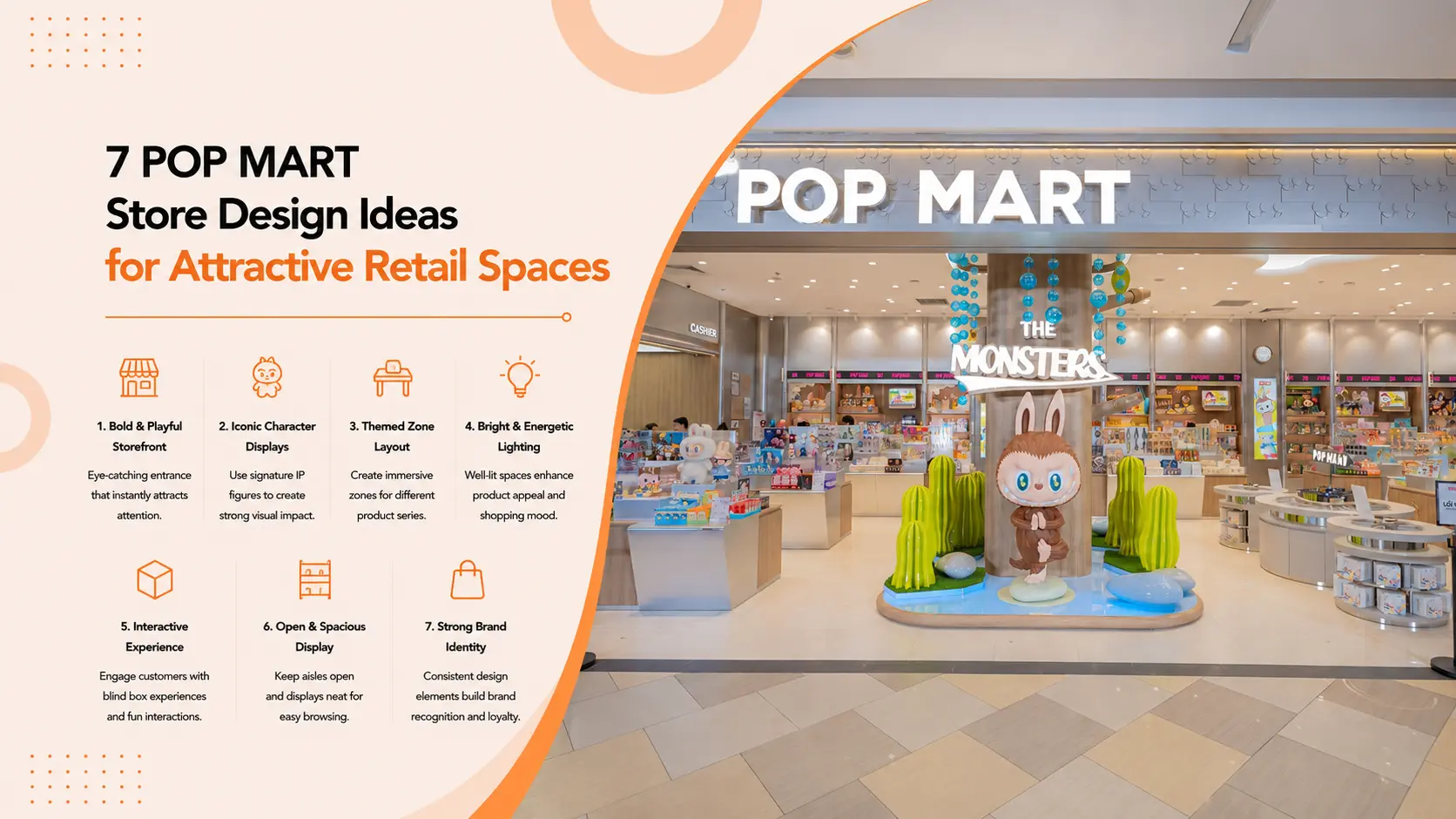
Not every area of a supermarket has the same selling potential. Some locations naturally attract more attention because almost every shopper passes through them. These power zones include the store entrance, aisle end caps, promotional islands, cross aisles, and checkout areas. By applying retail visual merchandising techniques in these high-traffic locations, retailers can increase product visibility and encourage more impulse purchases.
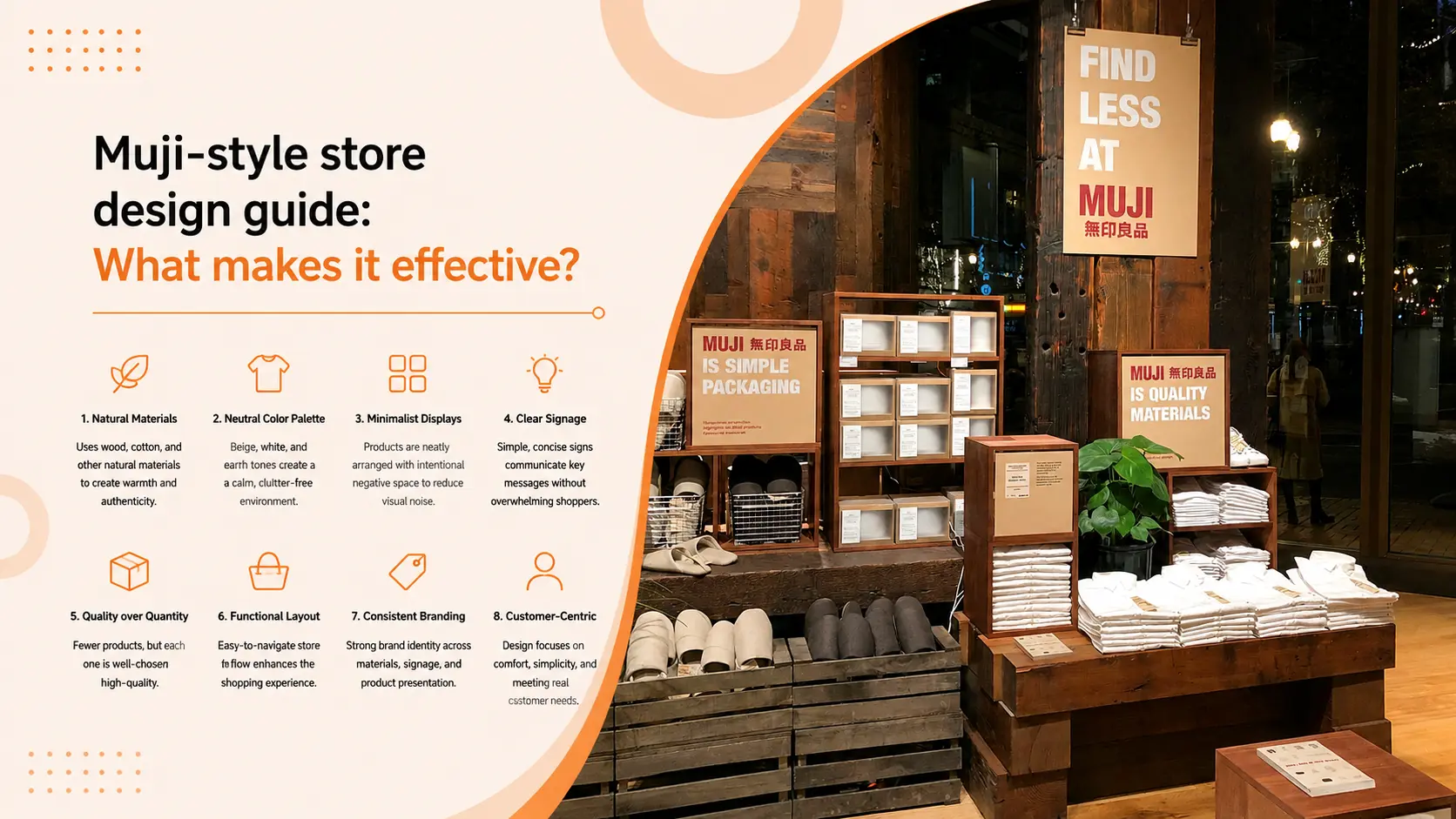
A successful power zone should have one clear purpose. Instead of displaying many unrelated products, focus on a single theme or promotion. A clean, well-organized display is easier to understand and creates a stronger visual impact than one filled with too many items.
Effective merchandising strategies include:
- Place attractive displays near high-traffic areas.
- Highlight seasonal campaigns and limited-time offers.
- Combine related products to encourage additional purchases.
For example, place barbecue sauce next to grilling tools during summer, or display coffee beside biscuits and mugs. Seasonal displays near the entrance can also create a strong first impression and encourage customers to stop and browse before entering the main shopping aisles.
The checkout area is another valuable power zone. Customers waiting in line have time to notice small products they may not have planned to buy. Snacks, drinks, batteries, travel-size toiletries, and other low-cost items often perform well in this location because they require little purchase consideration.
Your supermarket shelving systems should support these merchandising goals. Use commercial display racks, promotional islands, and end cap display stands to separate featured products from regular shelf displays. Refresh these displays every few weeks to keep the store looking new and give repeat customers something different to discover.
Best practices for creating power zones:
- Focus on one promotion or product theme in each display.
- Position featured products where customers naturally slow down or change direction.
- Use simple, easy-to-read signs that highlight the key message.
- Cross-merchandise complementary products to increase basket size.
- Update promotional displays regularly to maintain customer interest.
6. Choose Flexible Shelving for Long-Term Store Growth
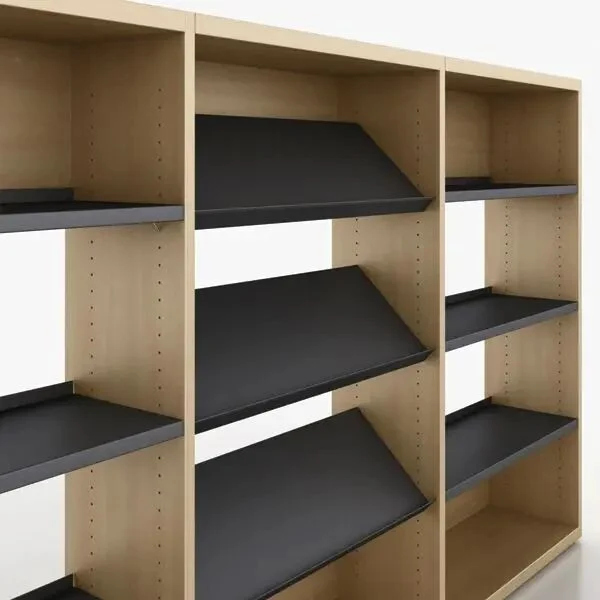
A successful supermarket layout should grow with your business. Customer preferences change, product categories expand, and seasonal promotions require new display ideas throughout the year. That is why many retailers choose modular shelving systems that can be reconfigured as their needs change.
Using durable and adjustable solutions, such as heavy-duty retail shelving and modular commercial display racks, allows retailers to update their layouts without replacing the entire system. Adjustable shelves, removable accessories, and expandable sections make it easy to create new displays while reducing renovation costs.
For example, a supermarket may need extra space for beverages during summer, gift products during the holiday season, or school supplies before a new semester.
Flexibility is also important for daily store operations. Adjustable shelving makes restocking easier, supports different package sizes, and allows retailers to improve product presentation over time. Strong heavy-duty retail shelving is especially useful for categories such as beverages, cooking oil, and household supplies, where products are heavier and require reliable load capacity.
Best practices for choosing flexible shelving:
- Choose modular shelving that can be expanded as your store grows.
- Select adjustable shelves to fit products of different sizes.
- Use heavy-duty shelving in high-load product categories.
- Pick accessories such as dividers, hooks, and baskets that can be changed when needed.
- Invest in durable steel shelving to reduce long-term replacement costs. High-quality systems can remain in service for more than 10 years with proper maintenance.
How to Match Your Layout with the Right Shelving System
| Store Goal | Recommended Shelving Solution | Why It Works |
| Maximize product capacity in main aisles | Gondola shelving systems | Creates organized aisles and displays products from both sides. |
| Use wall space efficiently | Wall-mounted supermarket shelving | Turns perimeter areas into valuable display zones. |
| Promote featured products | End cap display stands | Attracts attention and supports seasonal or promotional displays. |
| Display heavy products safely | Heavy-duty retail shelving | Provides strong support for large or high-weight items. |
| Support future layout changes | Modular shelving systems | Allows retailers to adjust displays as products and needs change. |
FAQ: Supermarket Layout Strategies
How does gondola shelving improve supermarket layouts?
Gondola shelving systems create organized aisles and allow products to be displayed from both sides. Their adjustable design makes them suitable for different product categories and changing store layouts.
Why are end cap displays important in supermarkets?
End cap display stands attract customer attention because they are located in high-visibility areas. They are ideal for promotions, seasonal products, and impulse purchases.
How can I choose the right supermarket shelving system?
Choose shelving based on your store layout, product types, and future needs. Consider factors such as durability, flexibility, display capacity, and customization options.
Conclusion
A successful supermarket layout is not only about arranging shelves and products. It is about creating a smooth shopping journey that guides customers, improves product visibility, and increases sales opportunities. By combining smart traffic flow planning, effective visual merchandising, and the right supermarket shelving systems, retailers can build a store that works better for both shoppers and daily operations.
From gondola shelving systems and end cap displays to flexible shelving solutions, every fixture plays an important role in making better use of retail space. A well-designed layout should also be easy to adjust as products, promotions, and customer needs change.
Planning a new supermarket or upgrading your existing store? DAHO provides customized supermarket shelving systems, gondola shelving, and commercial display solutions to help retailers create efficient layouts and improve in-store performance. Contact our team today to get a tailored shelving solution for your project.

Ivy is a shelving specialist at DAHO, a supermarket shelving manufacturer in China. She shares practical knowledge on retail shelving design, metal and wood fabrication, and store display systems. She helps global retailers and wholesalers understand shelving structures and choose the right factory solutions.