7-Eleven is a useful format to study because it is familiar, repeatable, and easy to read. U.S. convenience store foodservice and merchandise sales reached $341.2 billion in 2025 (NACS, 2026). The category keeps moving toward food, drinks, and quick missions, not just snacks at the counter.
A 7-Eleven style store works because the layout is clear and the fixtures carry a lot of the burden. For a manufacturer, that makes the topic practical. Shelving, checkout counters, refrigeration placement, and impulse displays do more of the selling than the paint or décor ever will.

Key Takeaways
- A 7-Eleven style store should be planned around speed, visibility, and grab-and-go purchases.
- The best copy is not the brand look itself. It is the operating logic behind the store.
- The fixture package should be planned early, especially gondola shelving, wall units, refrigeration, checkout counters, and impulse displays.
Convenience store design ideas
| Store element | Standard convenience store | 7-Eleven style store |
| Layout goal | General browsing | Fast mission shopping |
| Fixture priority | Basic shelving and checkout | Gondola, wall units, refrigeration, impulse racks |
| Product mix | Packaged snacks and daily goods | Grab-and-go food, drinks, snacks, checkout add-ons |
| Customer flow | Flexible | Short path, clear sightlines, visible checkout |
1. Why is a 7-Eleven style store worth copying?
7-Eleven’s North American footprint makes it a useful reference point. The company says it operates or franchises more than 13,000 stores in the U.S. and Canada (7-Eleven, 2026). That scale matters because it reflects a model that has been repeated and adjusted across many markets.
The other reason to study the format is the way convenience retail itself is changing. 7-Eleven’s U.S. stores are moving toward fresher food and more frequent deliveries, with Japanese-style food cues shaping the redesign (Business Insider, 2024). The store is no longer just a quick snack stop.
PERSONAL EXPERIENCE
From a fixture maker’s point of view, this is the useful part. Once fresh food and grab-and-go items matter more, the store needs refrigeration, cleaner sightlines, and tighter shelf planning. A store that looks crowded on paper often feels slow in real use.

What makes the model durable?
The format works because it serves a repeatable customer mission. People come in for one or two items, then often add one more thing near the counter. That behavior is stable. It rewards stores that keep the entry zone open, the core aisles short, and the checkout line visible.
If you want the 7-Eleven style without copying the brand, focus on the first ten seconds in the store. Keep the highest-turn items in direct view. Make sure the fixtures support fast restocking. That is the lesson that matters.
2. What should the store layout look like?
A 7-Eleven style convenience store should be organized for speed, not browsing. The layout needs a clear entry path, a visible beverage zone, a snack wall, one or two refrigerated runs, and a checkout area that catches impulse purchases. That is the basic logic of the format.
Convenience channel is leaning harder into food and beverage, not just packaged goods. Once fresh food enters the mix, circulation and zoning matter more.
The easiest way to think about the floor plan is in zones. The entry zone should feel open. The beverage and snack zones should be the first things people notice. The refrigerated and fresh food zones need enough depth to hold multiple facings without blocking the aisle.

How should traffic move through the store?
The customer path should be obvious without a lot of signage. People should see the store, identify the main offer, and reach checkout without turning too many corners. If the path feels like a maze, the store loses speed.
For a small format store, the costliest mistake is not overspending on shelving. It is placing shelving in a way that hides the register, clutters the entry, or breaks sightlines across the store. Good flow sells because it lowers friction.
3. What fixtures do you need for a 7-Eleven style store?
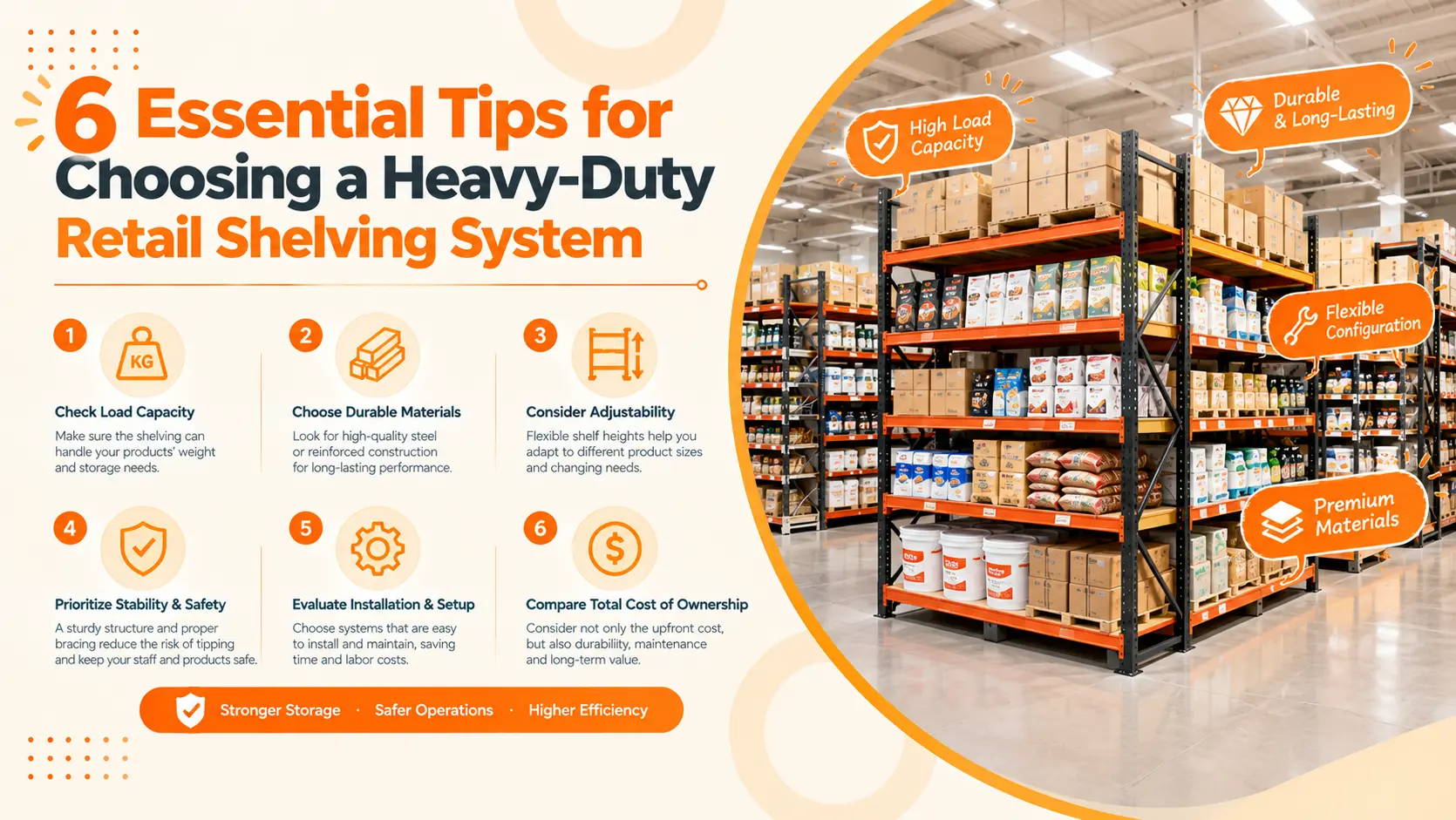
A real 7-Eleven style opening kit usually includes gondola shelving, wall shelving, refrigerated cases, a checkout counter, impulse racks, and one or two end caps. That mix matters more than any decorative finish. The store needs fixtures that can hold stock, show stock, and stay easy to restock.
DAHO‘s own category structure makes the logic clear. Gondola shelves anchor the middle of the room, wall units hold long-running categories, and end caps handle promotional items and seasonal shifts.
The useful question is not whether the fixture looks premium. It is whether the fixture handles daily use. A checkout counter should support payment, small impulse items, and staff movement. Shelving should survive frequent restocking. Refrigeration should sit where it helps both visibility and operation.
What should be custom-made?
The parts that usually deserve customization are the wall units, checkout counter, branded end caps, and any food or beverage display that must fit a local SKU mix. Standard components can work for the rest.
Customization matters where the dimensions, brand story, or product category changes the customer’s behavior.
PERSONAL EXPERIENCE
In manufacturing terms, the simplest project is not always the best one. A store often performs better when the middle is standard and the touchpoints are custom. That keeps cost under control while still making the store feel deliberate.
4. How do you plan product zones and merchandise flow?
Product zoning should reflect how people actually shop in a convenience store. High-frequency items belong where customers see them immediately. Add-on items belong near the checkout. Fresh food belongs where refrigerated and prepared-food traffic naturally slows down.

Which products belong in each zone?
The front half of the store usually works best for mission-driven categories such as beverages, breakfast items, and grab-and-go food. The back wall can hold slower-turn or higher-margin categories. The checkout zone should carry gum, candy, batteries, lighters, and small personal care items.
The zone map should do one thing well: shorten decision time. If the store is selling coffee, cold drinks, and prepared food, those items need clearer display structure than the rest. A cluttered shelf is not variety. It is indecision.
How do you avoid SKU overload?
Do not open with too many categories. That slows restocking and weakens the display. A convenience store earns its money by turning stock fast. The floor plan should support that turnover instead of fighting it.
5. How much does it cost to open a convenience store?
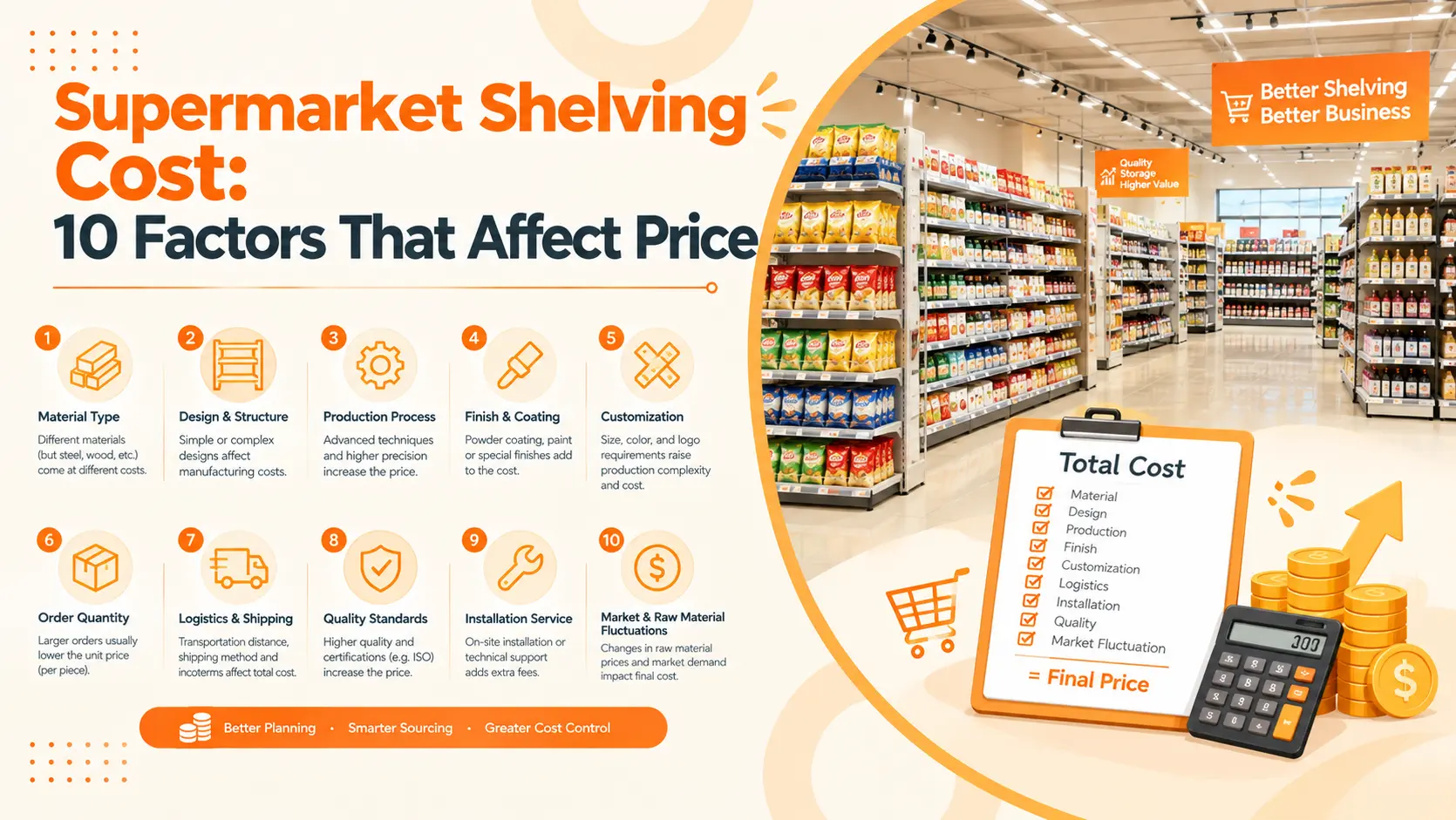
The cost of opening a 7-Eleven style store depends on the lease, buildout, refrigeration, shelving, signage, inventory, and working capital.
Where does the money usually go?
The biggest buckets are buildout, refrigeration, store fixtures, inventory, and staffing. Shelving alone does not dominate the budget. The less visible cost is usually in the systems that let the store sell food safely and keep the floor looking full.
What should the opening sequence look like?
A practical opening sequence keeps the work in order. First, confirm the site and floor plan. Second, lock the fixture package and refrigeration layout. Third, place the production order and check drawings. Fourth, prepare shipping, installation, and inventory loading. Fifth, open with the core zones already balanced.
If you are manufacturing fixtures, the point is not to undercut every other line item. The point is to show which fixture package supports the target store size, category mix, and maintenance cycle. Buyers understand budgets faster when the structure is clear.
What does that mean for a supplier?
It means a supplier should sell a fixture package, not loose parts. A convenience store buyer needs a plan for the store, not just a catalogue page. That plan should include layout, shelf count, display type, and practical installation logic.
Source custom supermarket shelving from China
6. How should a manufacturer position the project?
For a manufacturer, the right angle is straightforward. Sell the store system, not only the shelf. The buyer needs layout support, production clarity, packaging, and a path from drawing to installation. That is where DAHO’s factory story fits the topic well.
What does a buyer need from a fixture partner?
The buyer usually wants a layout drawing, clear specs, modular fixture options, and predictable lead times. They also need one supplier who can explain what should be standard and what should be custom. That keeps the project moving.
Top supermarket shelving manufacturers
7. What mistakes should first-time operators avoid?
The first mistake is copying the look of 7-Eleven without copying the logic. A store can borrow the pace, visibility, and merchandising pattern without borrowing the logo or trade dress. That difference matters legally and commercially.
The second mistake is over-decorating. A convenience store is not a lifestyle concept shop. It needs clean lines, clear stock, and fast restocking. Heavy decorative elements make the floor harder to operate.
The third mistake is putting too much confidence in shelf count alone. A store can have enough linear footage and still fail if the checkout is weak, the cooler wall is buried, or the aisle widths make movement awkward.
What looks good but fails in practice?
Long aisles with no obvious destination look neat in photos and weak in operation. Oversized feature displays can also slow movement. If the store takes more than a few seconds to read, the customer has to work too hard.
The lesson from 7-Eleven is not visual imitation. It is operational discipline. The layout, the fixture mix, and the product flow need to be planned together.
Frequently Asked Questions
Is it legal to open a store inspired by 7-Eleven?
Yes, if you do not copy trademarks, logos, trade dress, or protected brand assets. The safer path is to copy the operating logic, not the brand identity. That distinction matters because 7-Eleven’s public footprint is large, and the format is recognizable.
Do convenience stores need custom shelving?
Usually yes, at least for wall units, checkout areas, and special displays. A standard shelf can work in the middle, but the front of the store and the cold-food zone often need custom sizing.
How can a store feel like 7-Eleven without looking copied?
Use the same merchandising behavior, not the same branding. Keep the store fast to read, keep the path short, and place impulse items near the exit.
What fixtures should be prioritized first?
Gondola shelving, wall shelving, refrigeration, checkout counters, and impulse displays should come first. Those pieces shape both the customer path and the stock rhythm. If the fixture plan is wrong, the store feels slow even when the product mix is good.
Conclusion
A 7-Eleven style convenience store works when customers can read the store quickly and staff can operate it without fighting the layout. The goal is not to copy the brand’s look. The goal is to build a store with fast movement, visible product zones, and fixtures that support daily restocking.
As a retail fixture manufacturer, we usually start with the practical questions: store size, product categories, refrigeration needs, checkout position, and the number of shelf runs. Once those are clear, the design can move from a rough layout into a workable fixture package.
If you are planning a convenience store, send us your floor plan, product list, or reference store photos. DAHO can help turn those materials into a shelving layout, fixture recommendation, and project quotation for your store.
Contact us today.

Ivy is a shelving specialist at DAHO, a supermarket shelving manufacturer in China. She shares practical knowledge on retail shelving design, metal and wood fabrication, and store display systems. She helps global retailers and wholesalers understand shelving structures and choose the right factory solutions.