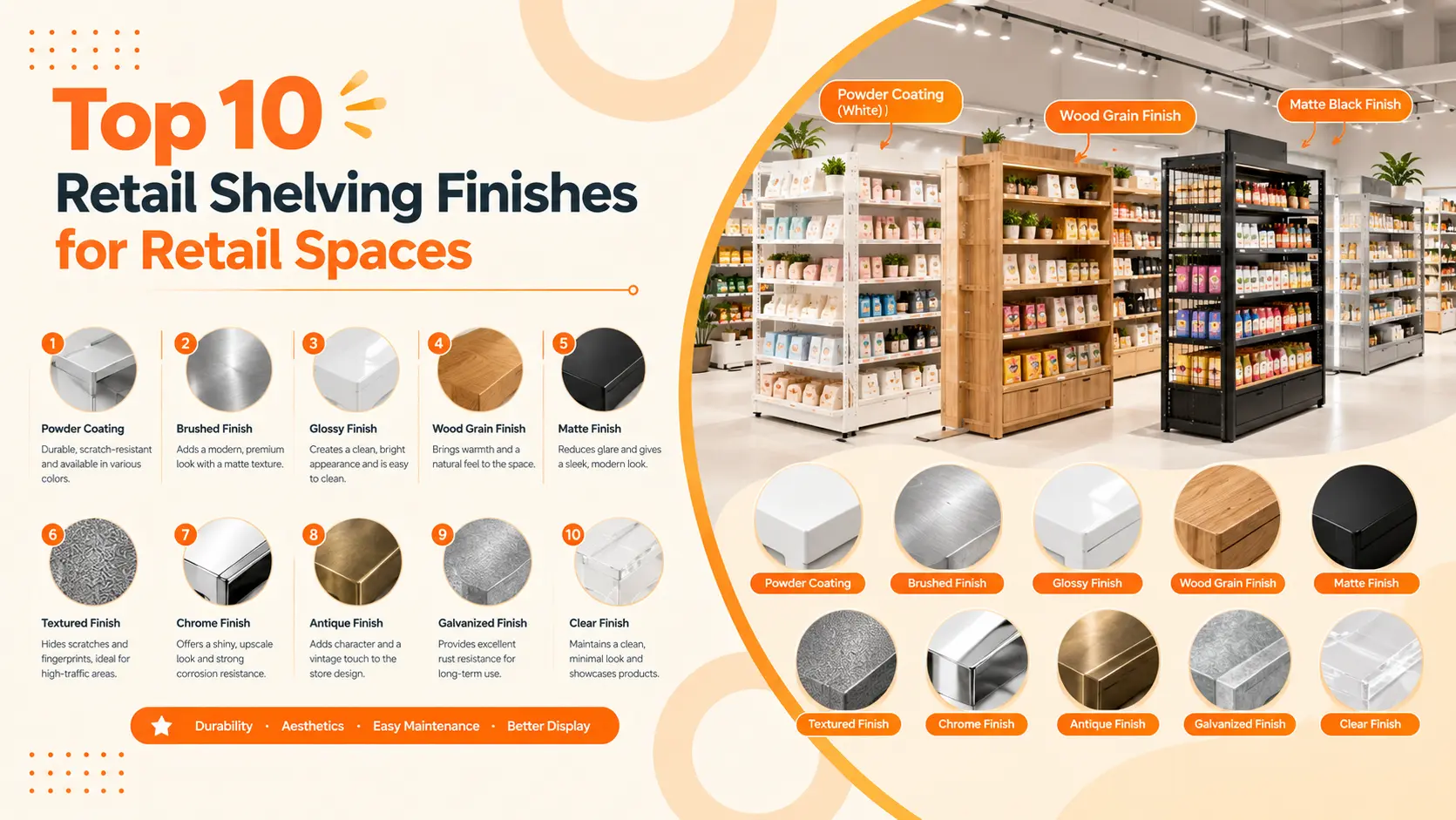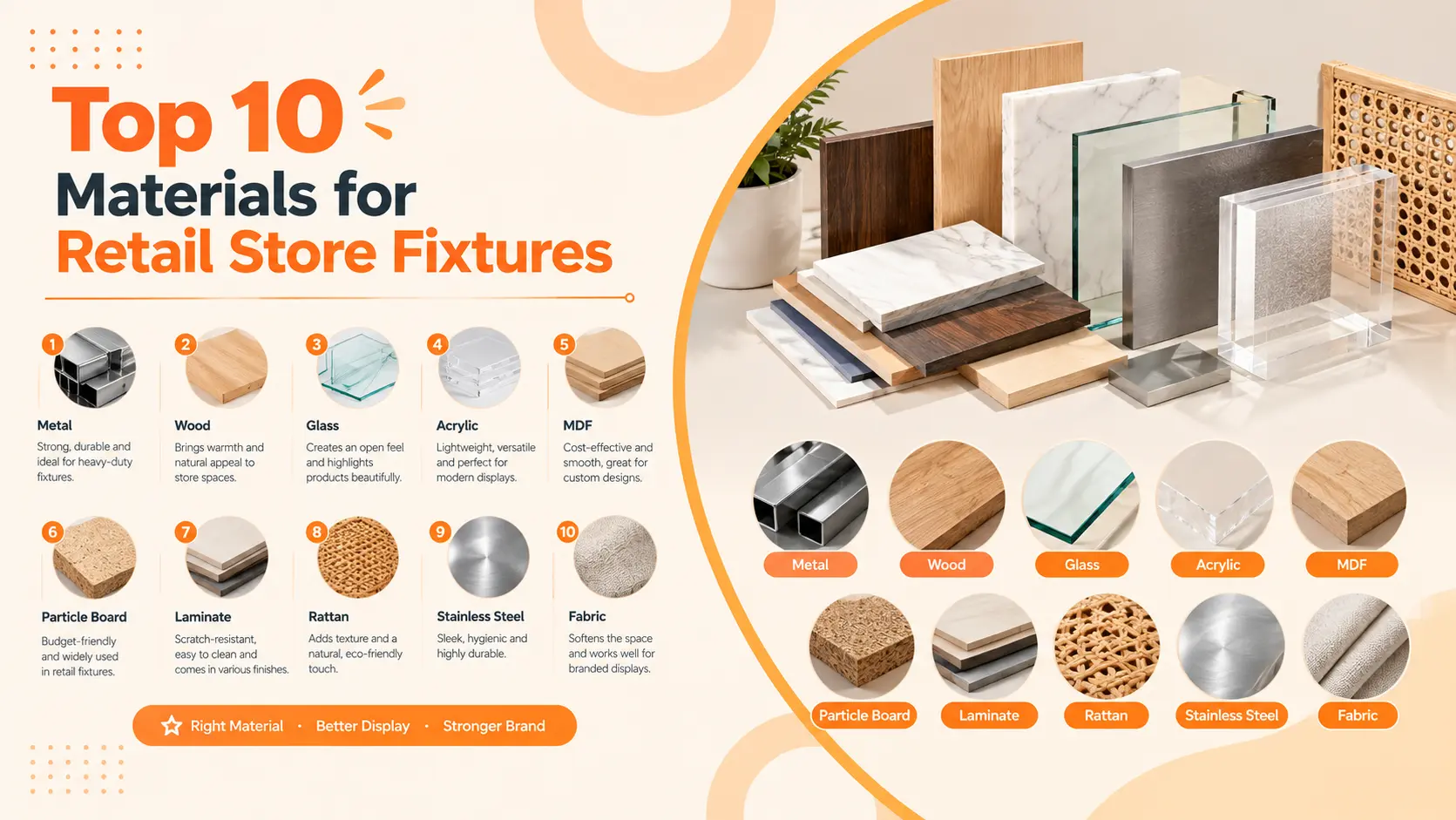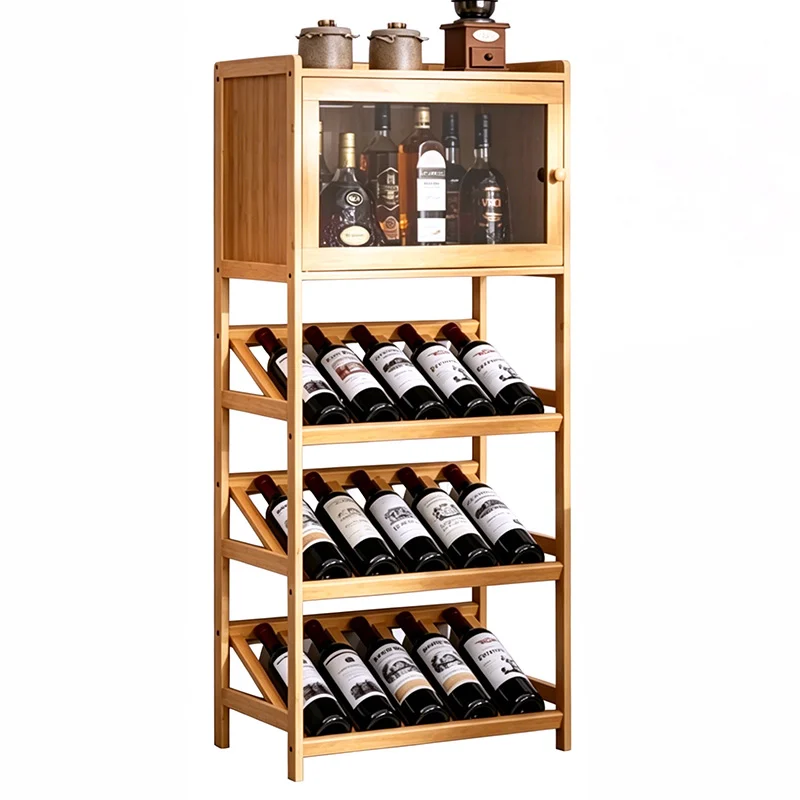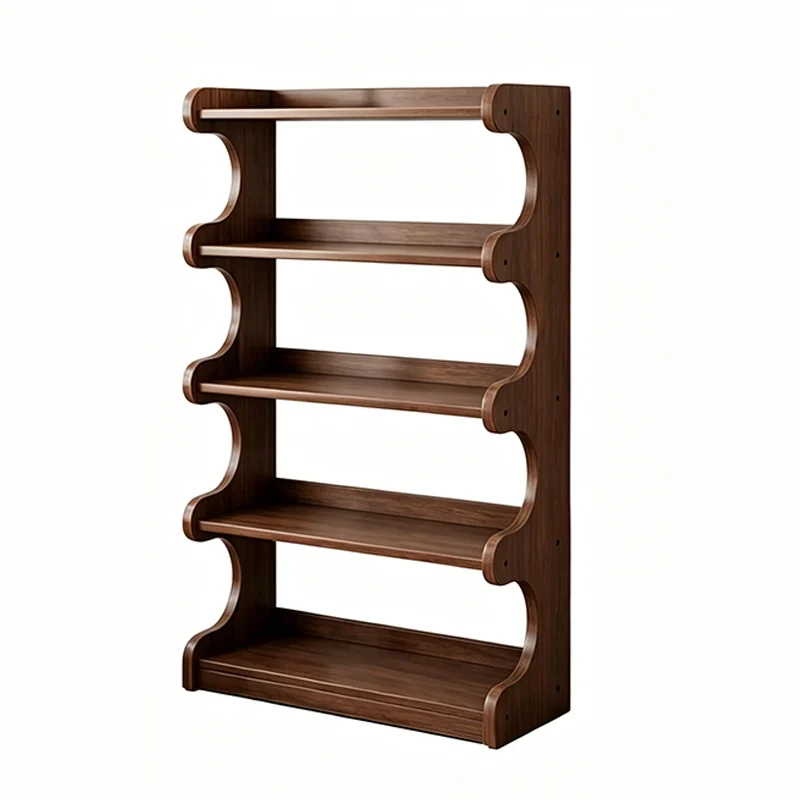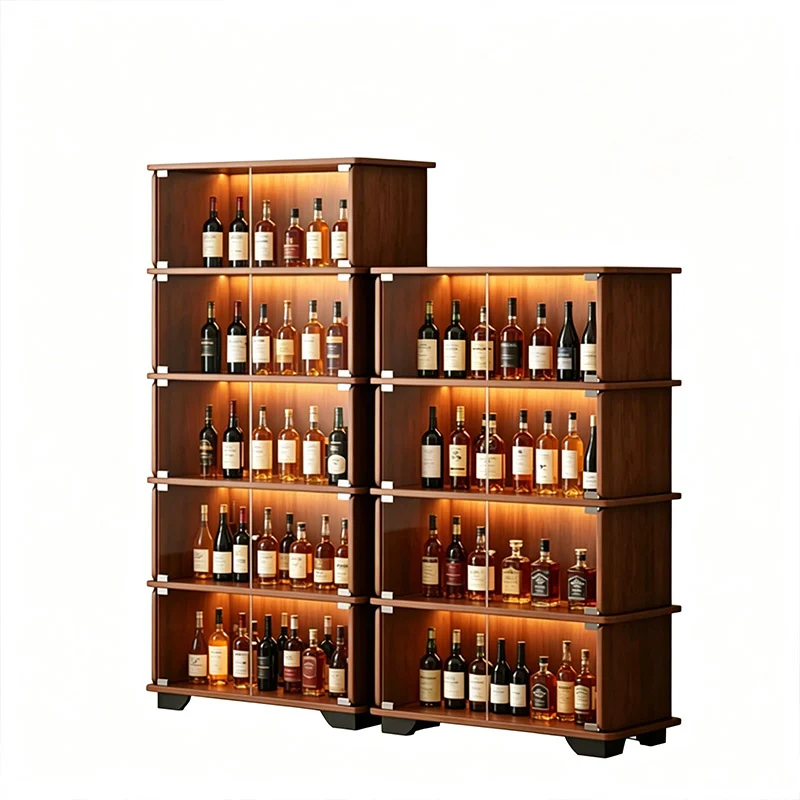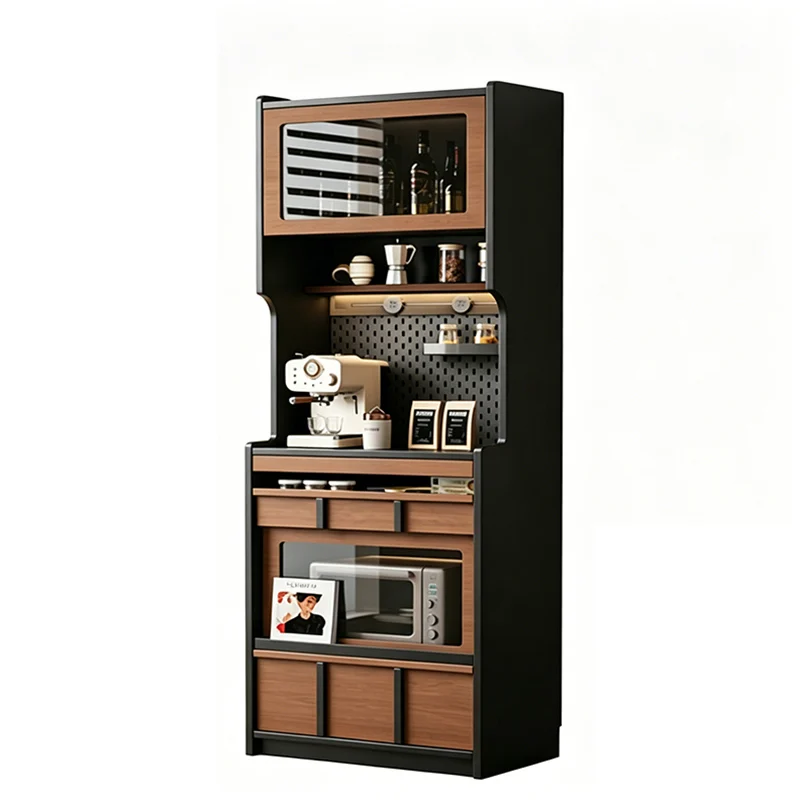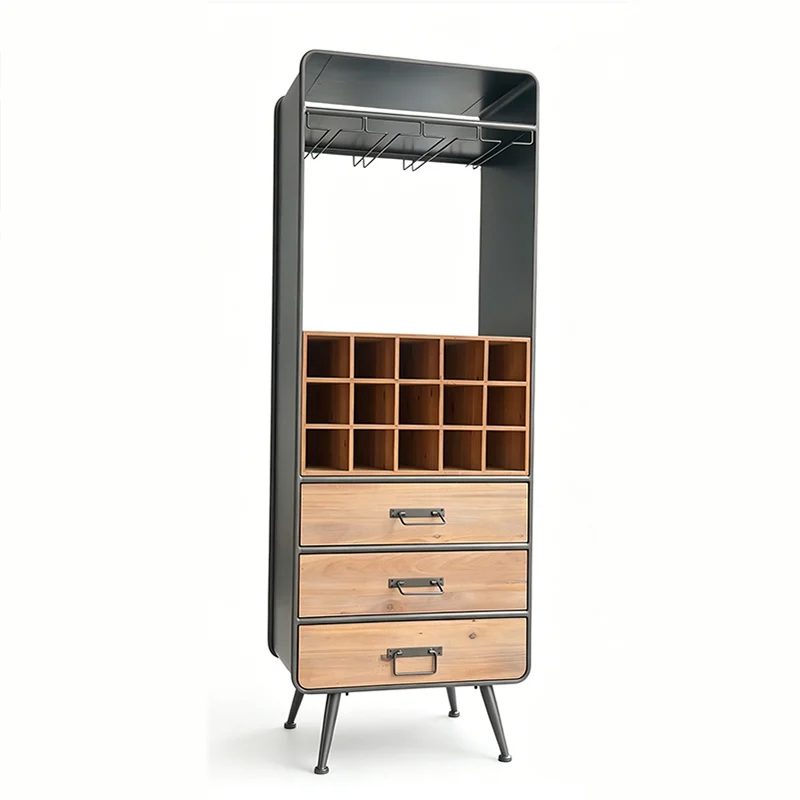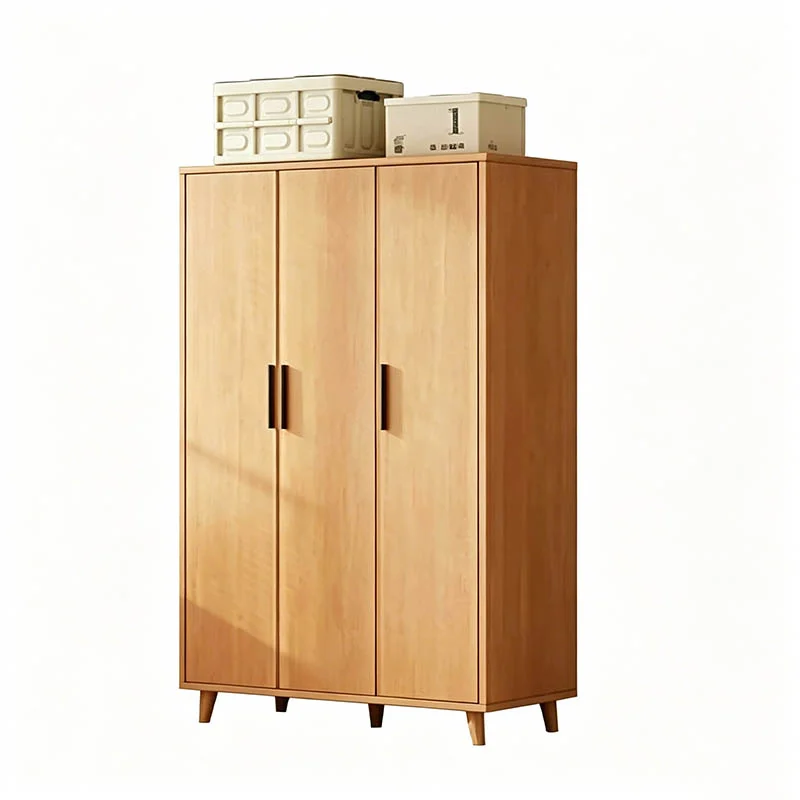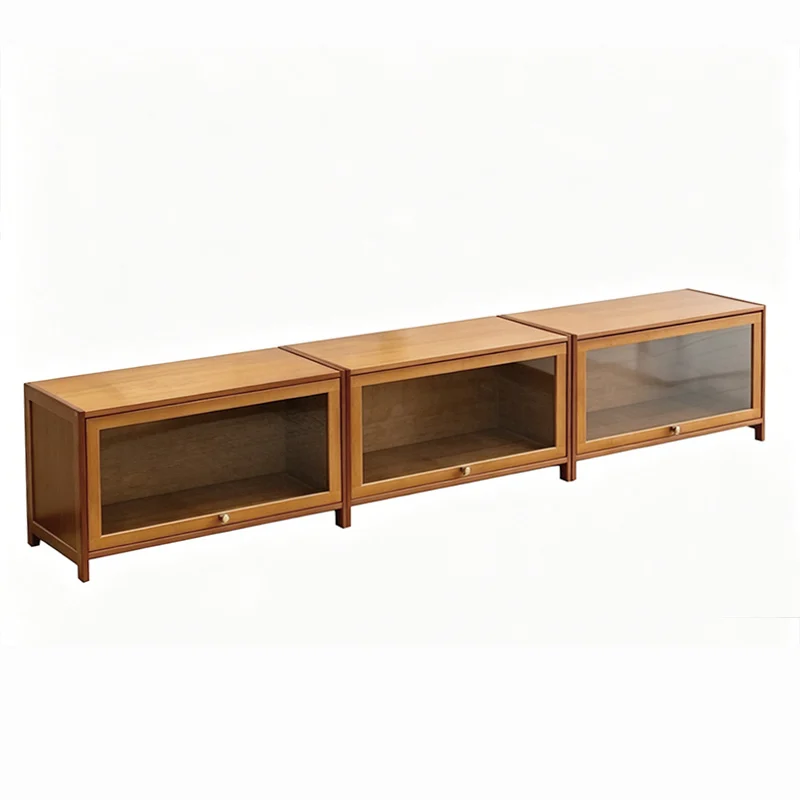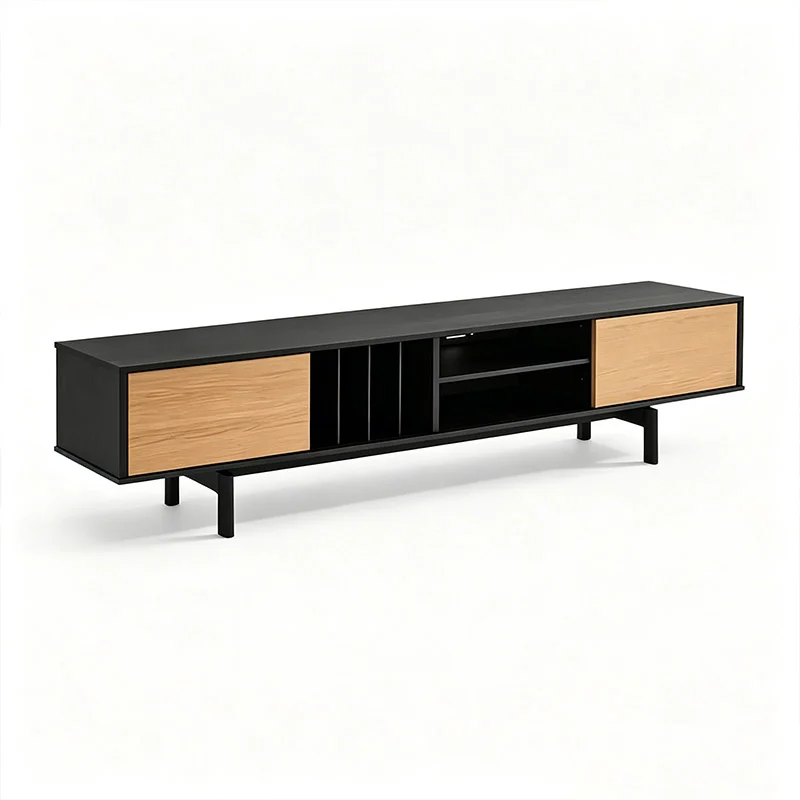
Choosing a retail shelving finish starts with the job the fixture has to do. A supermarket gondola has different needs from a boutique display table, and the finish affects wear, cleaning, and how often a damaged part can be matched later. This shortlist covers 10 finishes used on retail shelving and related fixtures. The order follows common project decisions.
Na wynos
- Powder-coated steel is a sensible starting point for most metal gondolas and wall bays. Set the color, texture, gloss, and edge requirements before production.
- Chrome, stainless steel, and anodized aluminum create distinct metal looks, but fingerprints, scratches, and repairs differ.
- Veneer, HPL, melamine, paint, and thermofoil finish wood-based parts. They do not replace a load-bearing steel structure.
- Write the substrate and finish system into the specification, along with cleaning conditions and the replacement-part plan.
- Approve a production sample before signing off on shop drawings. A screen image will not show how edges, gloss, or batch variation look in person.
Tabela porównawcza
| # | Zakończyć | Typowe podłoże | Najlepsze dopasowanie | Moc: | Główne ograniczenie | Czek kupującego |
| 1 | Powłoka proszkowa | Carbon steel, galvanized steel, aluminum | Gondola uprights, shelves, brackets, frames | Wide color/texture range; no liquid-solvent application at the final coating stage | Chips can expose the substrate; touch-up rarely matches perfectly | Pretreatment, film thickness target, gloss, salt-spray or corrosion test basis |
| 2 | Laminat wysokociśnieniowy (HPL) | MDF, particleboard, plywood | Counter-facing panels, shelves, cash wraps, decorative cladding | Hard, cleanable decorative surface with many patterns | Seams and exposed edges need protection; not a structural metal finish | HPL grade, adhesive, edge detail, cleaning chemicals |
| 3 | Melamine-faced board | Particleboard or MDF | Cost-controlled casework and back panels | Consistent factory surface and efficient repeat production | Surface and edges can be vulnerable to impact or moisture ingress | Board core, edge band, moisture exposure, replacement panel plan |
| 4 | Fornir drewniany | MDF, plywood, particleboard | Boutique shelving, premium wall bays, brand interiors | Natural grain and furniture character | Grain, color, and repair matching vary; clear coat controls durability | Veneer species, lay-up, stain, clear-coat sheen, sample approval |
| 5 | Wykończenie ze stali nierdzewnej | Stainless steel sheet or tube | Food-adjacent, hospitality, premium or humid zones | Corrosion resistance depends on grade and environment; clean metallic look | Fingerprints, weld marks, and scratches remain visible | Grade, surface designation, weld finishing, chloride and chemical exposure |
| 6 | Chromowanie | Steel, brass, or other plated metal | Rails, trims, hooks, and selected display details | Bright reflective appearance | Plating can scratch, pit, or show fingerprints; repair is specialized | Plating system, base metal, thickness, corrosion expectation, replacement cost |
| 7 | Painted MDF or wood | MDF, sklejka, drewno lite | Branded color blocking and shaped fixture parts | Flexible color matching and routed forms | Edge damage and moisture can be visible; finish depends on preparation | Paint system, primer, edge preparation, sheen, touch-up method |
| 8 | Thermofoil / PVC film | Routed MDF | Curved or wrapped decorative panels | Continuous color and useful coverage on shaped parts | Heat, peeling, and sharp-edge failures need attention | Film specification, radius limits, adhesive, heat and cleaning exposure |
| 9 | Anodyzowane aluminium | Aluminum extrusions or sheet | Lightweight trims, frames, rails, and modern architectural details | Hard oxide layer and metallic appearance without a paint film | Color matching across batches and alloys can vary | Alloy, anodizing class/thickness, finish direction, batch control |
| 10 | Stal ocynkowana lub ocynkowana | Steel sheet, tube, or wire | Utility, back-of-house, humid, or industrial-looking fixtures | Zinc coating provides sacrificial corrosion protection | Surface is not the same as a decorative topcoat; welding and cutting affect protection | Coating type, cut-edge treatment, topcoat, indoor/outdoor exposure |
How we selected these finishes
This editorial shortlist covers finishes used on shelving, casework, display frames, and trims. We chose options that change the look, care, or specification of a fixture.
Each entry ties a finish to a retail use and names a point to verify. Suppliers do not always use finish terms the same way, so put the actual process or product code on the shop drawing. Approve the physical sample against that specification.
1. Powder coating — the default for steel shelving
W skrócie: Powder coating is a dry process often used on steel shelving, uprights, brackets, frames, and end caps. Buyers can specify smooth or textured surfaces, from matte to gloss, and approve the color by code or sample.
Najlepsze dopasowanie: Supermarket gondolas, grocery wall bays, and convenience-store shelving, especially when the project repeats the same parts across many bays.
Dlaczego warto to rozważyć: You can change color or texture without redesigning the steel part. A textured surface may hide light scuffs better than a glossy one. Corrosion performance still depends on pretreatment and edge coverage, along with how the parts are stored, cleaned, and handled.
Before you approve it: Ask for the pretreatment sequence, target film thickness, and gloss or texture reference. If the supplier reports corrosion or adhesion test results, ask which standard and acceptance criteria they used. Review a bent or assembled sample where holes, welds, or tight returns could expose thin coverage.
Źródło: Powder Coating Institute, podstawy malowania proszkowego

2. High-pressure laminate (HPL) — hard-wearing decorative panels
W skrócie: HPL is a layered decorative sheet bonded to MDF, particleboard, or plywood. In retail shelving, it is usually used on customer-facing panels, counter surfaces, shelf decks, and fixture cladding rather than as the load-bearing structure.
Najlepsze dopasowanie: Lifestyle stores, pharmacy counters, cash wraps, display tables, and wood-steel fixtures that need a repeatable pattern or solid color.
Dlaczego warto to rozważyć: HPL comes in many colors and patterns, including woodgrains, and a documented panel build makes later replacement easier. Watch the edges and cut-outs. Water that gets past them can reach the board core.
Before you approve it: Record the HPL grade, board core, adhesive, and edge detail. Check the cleaning products used in the store. For a loaded shelf, confirm span and support spacing separately; HPL itself does not establish capacity.
3. Melamine-faced board — consistent casework at controlled cost
W skrócie: Melamine-faced board has a factory-applied decorative surface over particleboard or MDF. Retailers use it for casework, back panels, shelves, and storage when a consistent finish matters more than natural grain.
Najlepsze dopasowanie: Daily-necessities stores, stockroom-facing fixtures, and repeat programs with many matching panels.
Dlaczego warto to rozważyć: The board arrives finished, which removes an on-site painting step. Color can be coordinated with shelf labels and metal parts. It is not waterproof: a chipped edge or bare cut can let moisture into the core.
Before you approve it: Specify board type and thickness, edge band, corner radius, and moisture exposure. Decide how many spare panels to order. Ask how the supplier protects cut-outs and bottom edges during packing.
Źródło: Home – European Panel Federation
4. Wood veneer — natural grain for customer-facing zones
W skrócie: Veneer is a thin layer of real wood applied to a stable panel, then stained or clear-coated. It gives a fixture a furniture-like surface.
Najlepsze dopasowanie: Fashion, cosmetics, eyewear, and home-goods stores that call for a natural wood surface.
Dlaczego warto to rozważyć: Real grain can soften a large display. It will not look as uniform as a printed woodgrain, and sunlight, stain batches, grain direction, and topcoat all affect the result.
Before you approve it: Approve a representative sample. Record the species, lay-up, stain, and sheen, then ask how the supplier will match shelves and end panels in a later order.
Źródło: Decorative Hardwoods Association (Formerly HPVA®)
5. Stainless steel finish — clean metal for demanding environments
W skrócie: Stainless steel comes in several surface finishes, including brushed, satin, bead-blasted, and polished. Choose one for both the look and the cleaning conditions.
Najlepsze dopasowanie: Wet zones, hospitality-led stores, and counters where exposed metal is part of the design.
Dlaczego warto to rozważyć: There is no paint film to chip, but stainless can still corrode if the grade or fabrication does not suit the environment. Brushed surfaces tend to hide handling marks better. Polished steel reflects more light and shows fingerprints.
Before you approve it: Record the grade, surface designation, grain direction, weld finish, and cleaning products. For coastal or chloride-heavy locations, ask the fabricator to confirm the grade for that exposure. “Stainless” alone is not a specification.
Źródło: Home of stainless steels – worldstainless
6. Chrome plating — reflective detail with a maintenance cost
W skrócie: Chrome plating adds a chromium surface over a prepared base metal. Retailers often use it on rails, hooks, tubes, and trim rather than across an entire shelving system.
Najlepsze dopasowanie: Apparel and footwear rails, vintage-inspired shops, and small details meant to catch the light.
Dlaczego warto to rozważyć: Chrome has a mirror-like look that paint and brushed metal cannot match. It also shows fingerprints, scratches, pitting, and poor preparation. If the design uses a lot of chrome, plan for cleaning and replacement parts.
Before you approve it: Get the plating system and base-metal preparation in writing. Ask what corrosion performance is expected and whether damaged parts can be replated. The sample should include bends, welds, and tube ends, not just a flat coupon.
Źródło: ASTM International B456
7. Painted MDF or wood — brand color on shaped parts
W skrócie: Paint systems use a prepared board or wood surface, primer, and topcoat. They are common on routed MDF, display tables, feature walls, and shaped end panels.
Najlepsze dopasowanie: Boutiques, cosmetics, and electronics displays with routed or curved parts that cannot take a rigid sheet finish.
Dlaczego warto to rozważyć: Paint handles complex shapes and can match a brand color more closely than natural veneer. Edges need careful preparation, and a stable substrate matters. Corners that staff or carts hit will show damage before a flat wall panel does.
Before you approve it: Specify the primer, topcoat, color standard, sheen, and touch-up method. Check an assembled sample under store lighting; gloss can change how the color appears.
8. Thermofoil / PVC film — wrapped color on routed MDF
W skrócie: Thermofoil is PVC film bonded or vacuum-formed over shaped MDF. It can wrap selected curves and edges on decorative fixture parts.
Najlepsze dopasowanie: Curved panels, colored plinths, and retail furniture that needs a wrapped surface.
Dlaczego warto to rozważyć: Film can cover a routed form without a paint break. The profile has to suit the film’s bend radius and adhesive. A flat color sample will not reveal whether the film lifts at a sharp corner, so test the actual shape.
Before you approve it: Request the film data, allowable radius, adhesive method, edge detail, and cleaning instructions. Test a routed sample and decide how the store will replace a damaged panel.
9. Anodized aluminum — architectural metal without a paint film
W skrócie: Anodizing forms an oxide layer on aluminum. The result may be clear, bronze, dark, brushed, or satin, depending on the alloy and process. Retail uses include trims, rails, frames, and lightweight shelving parts.
Najlepsze dopasowanie: Lightweight frames and trims where exposed aluminum suits the store design.
Dlaczego warto to rozważyć: Anodizing does not rely on a separate paint film. But color can shift between alloys and batches, and abrasion can still mark the surface.
Before you approve it: Specify the alloy, anodizing class or thickness, surface direction, and color sample. When parts must match, ask the supplier to process them in the same batch.
Źródło: What is Anodizing? – Aluminum Anodizers Council
10. Galvanized or zinc-coated steel — corrosion protection with an industrial look
W skrócie: Zinc-coated steel has a zinc layer that protects the steel, but the process varies by product and fabrication route. It is used for utility shelving, stockrooms, and some humid areas, or for an industrial look.
Najlepsze dopasowanie: Stockrooms, service areas, and wire fixtures where protection matters more than a uniform decorative color.
Dlaczego warto to rozważyć: Zinc can protect exposed steel sacrificially. Cutting, welding, and forming may leave edges or joints less protected, though. A zinc coating is neither a decorative topcoat nor proof that a part suits outdoor use.
Before you approve it: Confirm whether the part is hot-dip galvanized, electro-galvanized, or treated by another zinc process. Ask how the supplier handles cut edges and welds. Include any topcoat, storage, and damp, coastal, or chemical exposure requirements.
How to choose a retail shelving finish
Work through these points in the RFQ and shop-drawing review:
- Name the substrate. Is the part load-bearing steel, aluminum, MDF, particleboard, plywood, or a decorative insert? The finish will not make an underspecified structure stronger.
- Opisz środowisko. Note humidity, wash-down, salt air, sunlight, food oils, cosmetics, cleaners, and expected handling. A finish that suits a dry boutique may not suit a damp grocery area.
- Set the appearance. Write down the color code, gloss or sheen, texture, grain direction, and metal surface designation. Approve a physical sample.
- Check the vulnerable spots. Look at punched holes, shelf lips, welds, bends, cut-outs, edges, and places where carts or baskets may hit.
- Plan for repairs. Can the supplier reproduce a damaged shelf, panel, or trim later? Keep the finish code with the project record.
- Review a built sample. Check the assembled part under store lighting and with the proposed cleaning routine. Keep the approved sample or color reference.
For metal shelving, see the przewodnik po systemie regałów gondolowych and request custom store fixture shop drawings before production. Projects sourced internationally also need clear specifications, sample approval, QC, packing, and shipping plans. The China supermarket shelving sourcing guide covers those steps.
FAQ
What is the most common finish for retail metal shelving?
Powder-coated steel is a common starting point for gondola, wall, and end-cap shelving because it supports repeatable colors, textures, and component production.
Is powder coating better than chrome for retail shelving?
Neither is universally better. Powder coating is usually easier to specify across a large steel shelving program, while chrome is chosen for a reflective appearance on selected rails, trims, or display details. Compare cleaning, scratch visibility, repair, replacement, and the visual brief.
Which finish is best for humid or wet retail areas?
Start by reviewing stainless steel, a properly specified powder-coated system, or zinc-coated steel according to the exposure and appearance required. Confirm grade or coating process, weld and cut-edge treatment, cleaning chemicals, and the actual environment; “water-resistant” is not a complete specification.
Can I use wood veneer or laminate for load-bearing shelves?
The finish itself is not a load rating. Veneer and laminate are usually decorative surfaces on a wood-based panel, while the panel thickness, span, supports, fasteners, and steel structure determine capacity.
How do I keep replacement shelves color-matched?
Record the finish code, substrate, supplier, sheen or texture, approved sample, and production date. For veneer, anodized aluminum, and some textured coatings, batch variation is possible, so order spares with the initial production or define an acceptable variation range.
Wniosek
Wyświetlacz DAHO builds these fixtures in a 40,000+ m² factory in China, with 20+ years of manufacturing, 30+ designers, and 10,000+ completed retail projects across Europe, North America, and the Middle East. Send us your product list with target colors and store conditions, and we will return a finish schedule and a quote.

Ivy jest specjalistką ds. regałów w firmie DAHO, chińskim producencie regałów do supermarketów. Dzieli się praktyczną wiedzą na temat projektowania regałów sklepowych, produkcji z metalu i drewna oraz systemów ekspozycji sklepowych. Pomaga globalnym sprzedawcom detalicznym i hurtowym zrozumieć konstrukcje regałów i dobrać odpowiednie rozwiązania fabryczne.