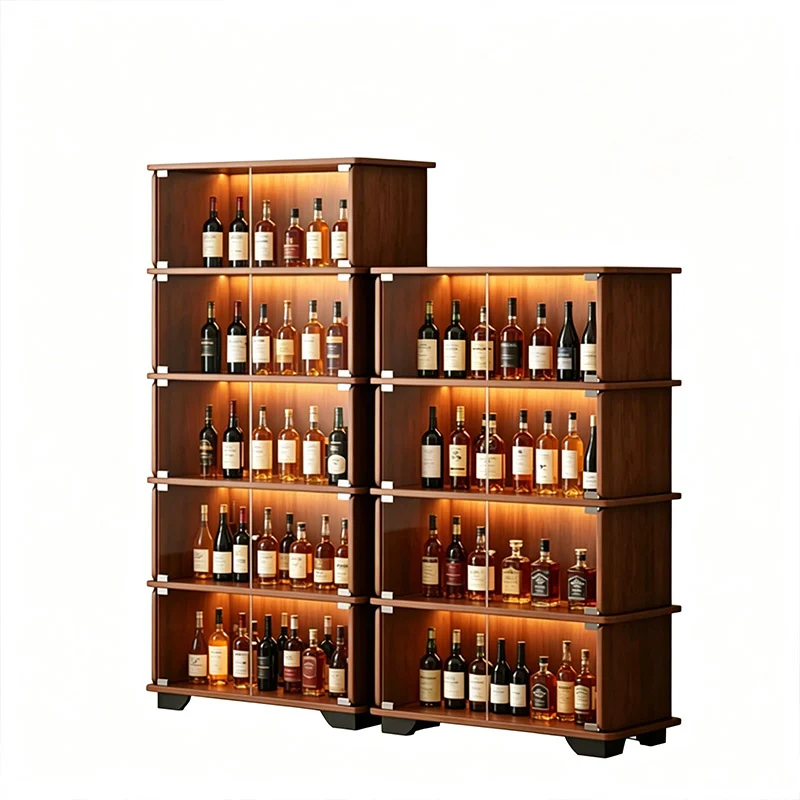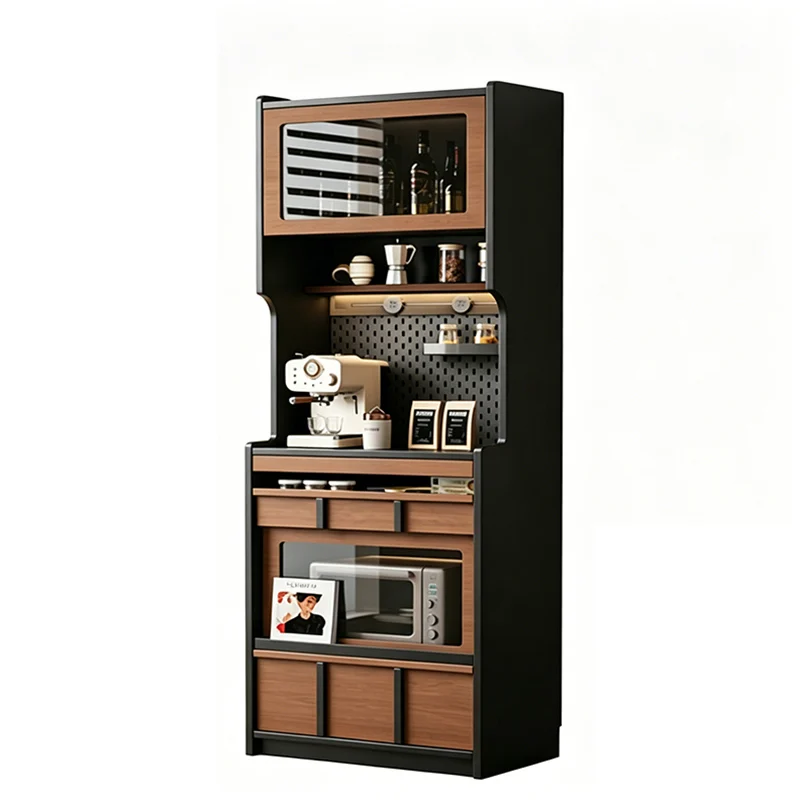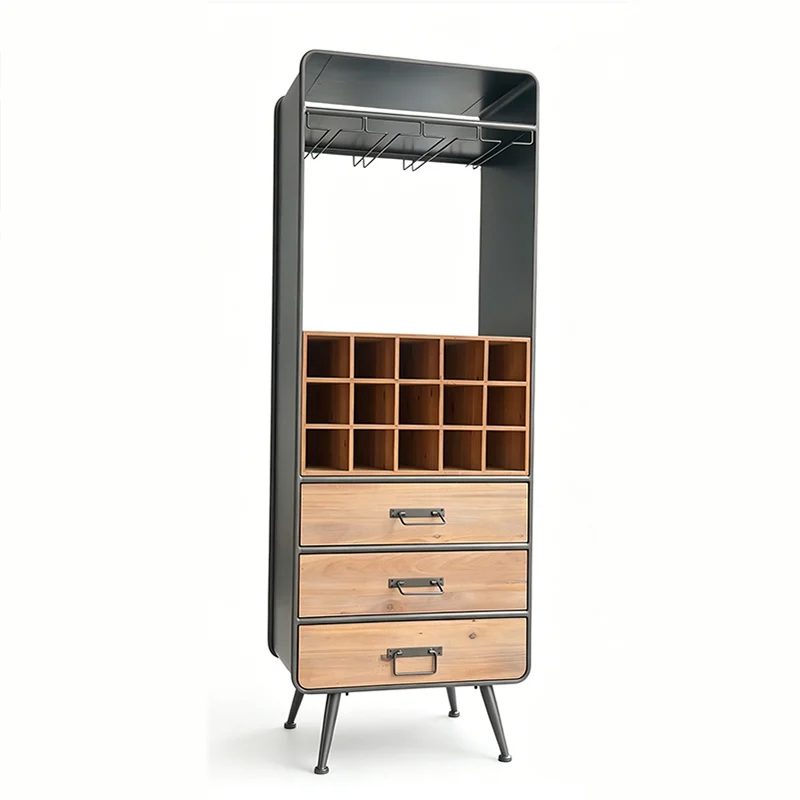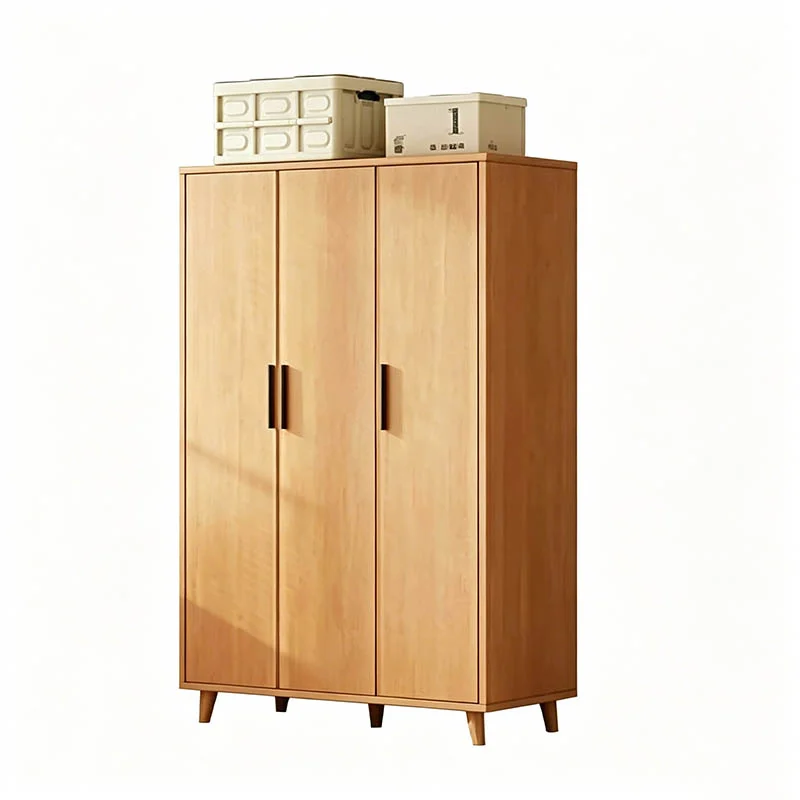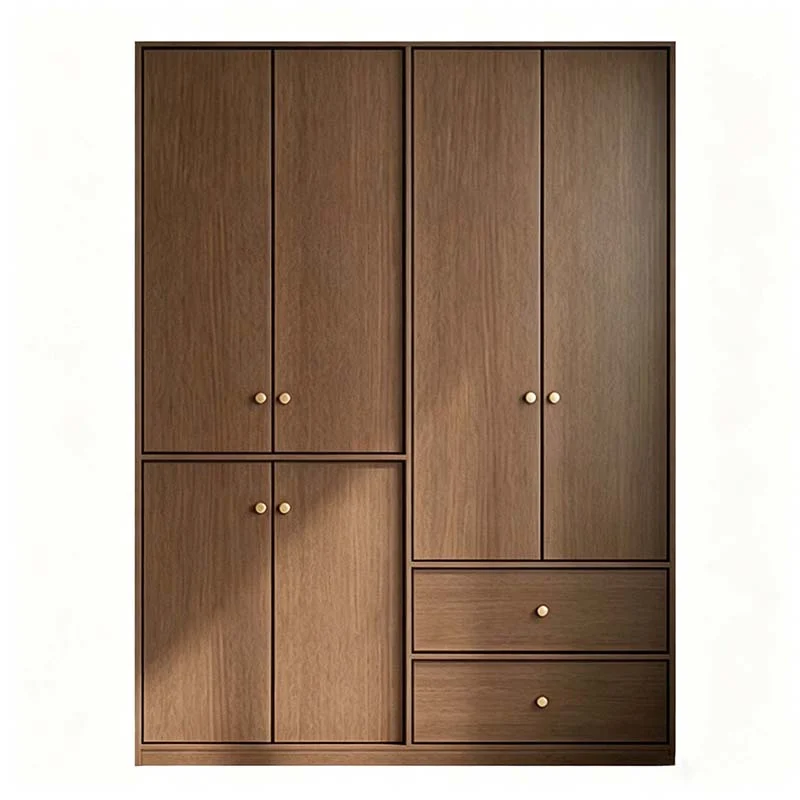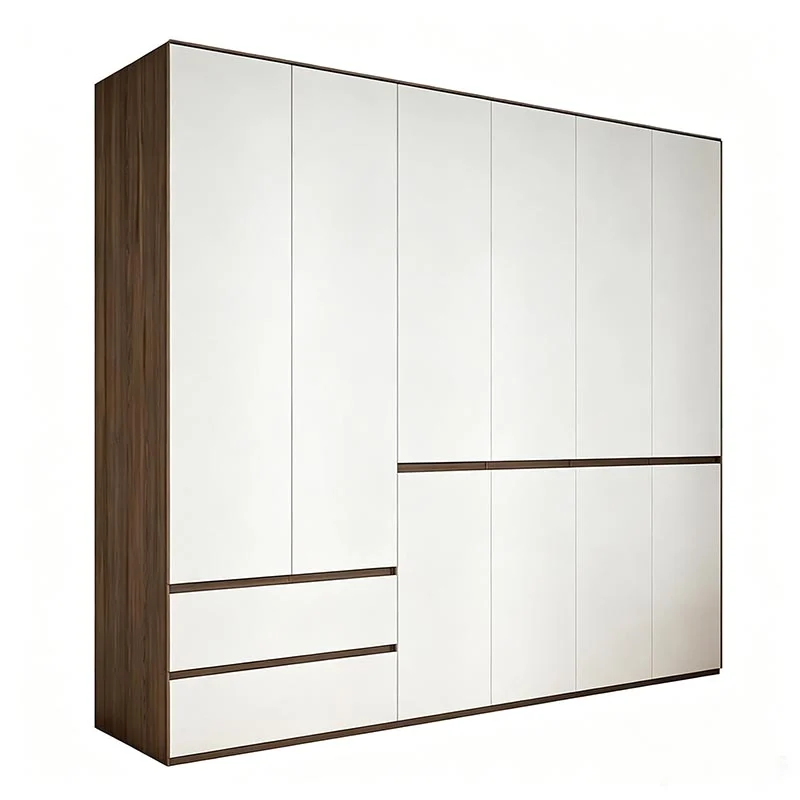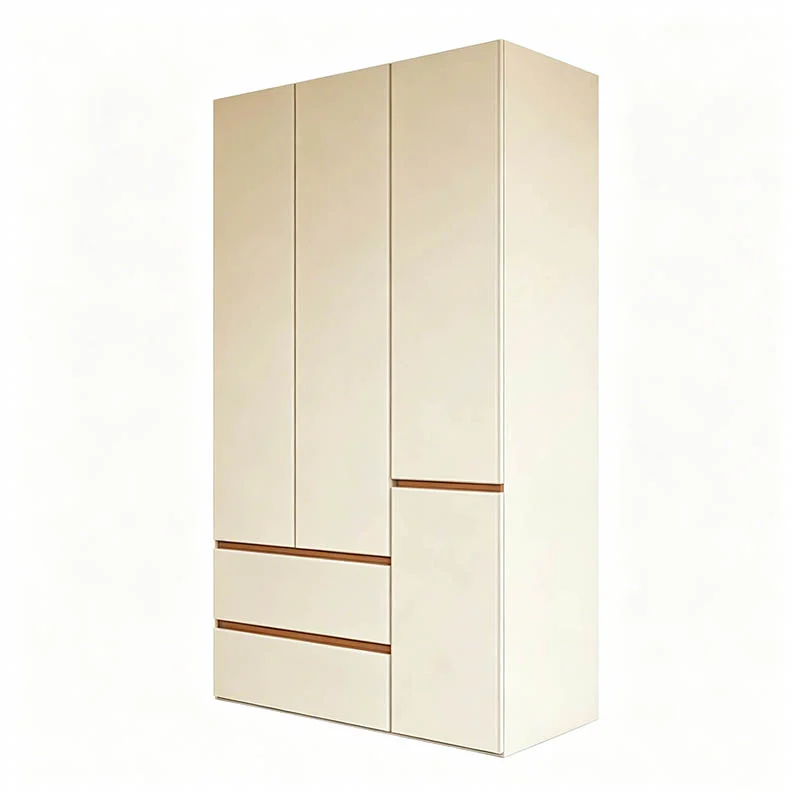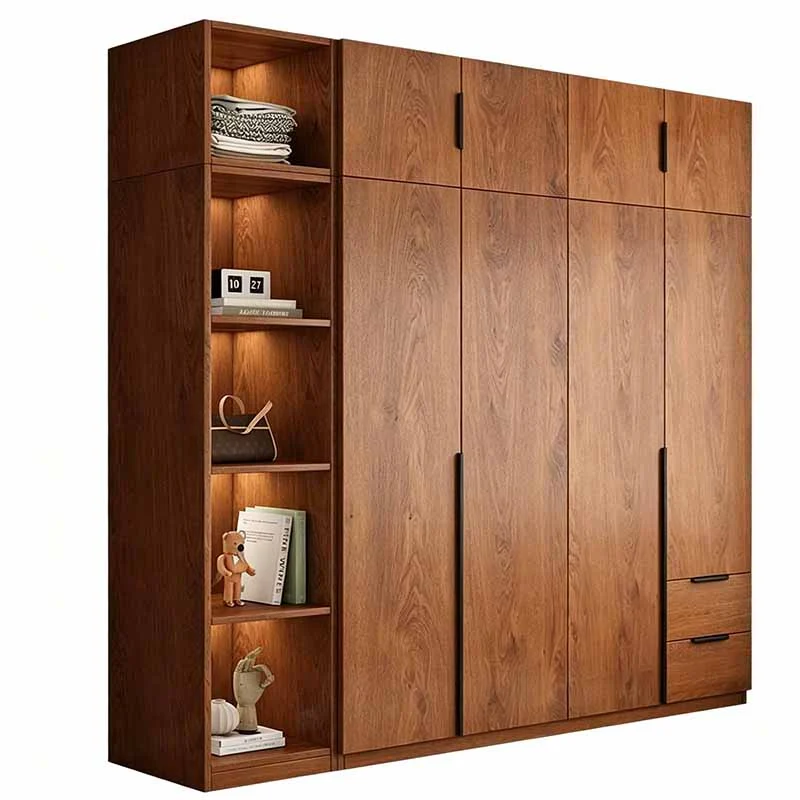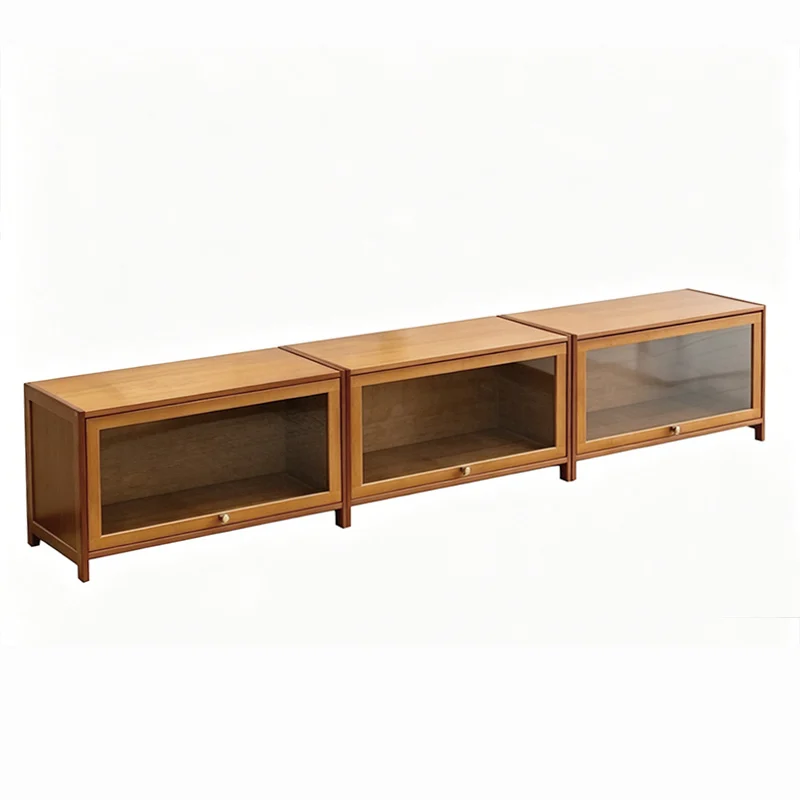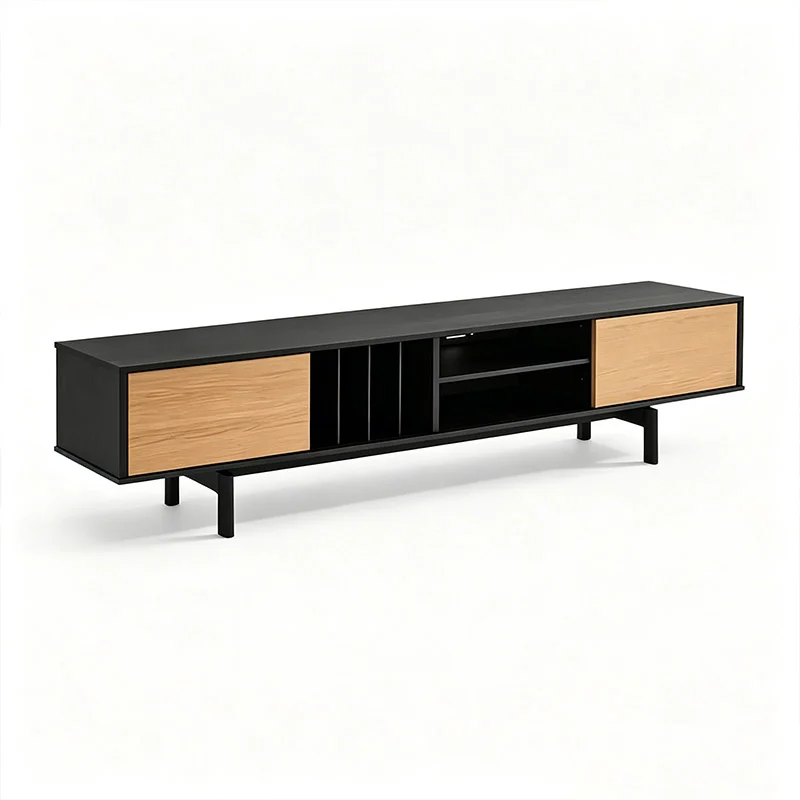
The right retail material depends on the job. A supermarket gondola may need steel for its structure. A boutique cash wrap may need wood or laminate at the customer side. Glass belongs in a display only after the safety and maintenance details are settled.
This 2026 guide compares 10 retail store fixtures materials used in retail fixtures for international projects. It is written for retailers, designers, and procurement teams choosing materials or preparing a fixture brief.
Na wynos
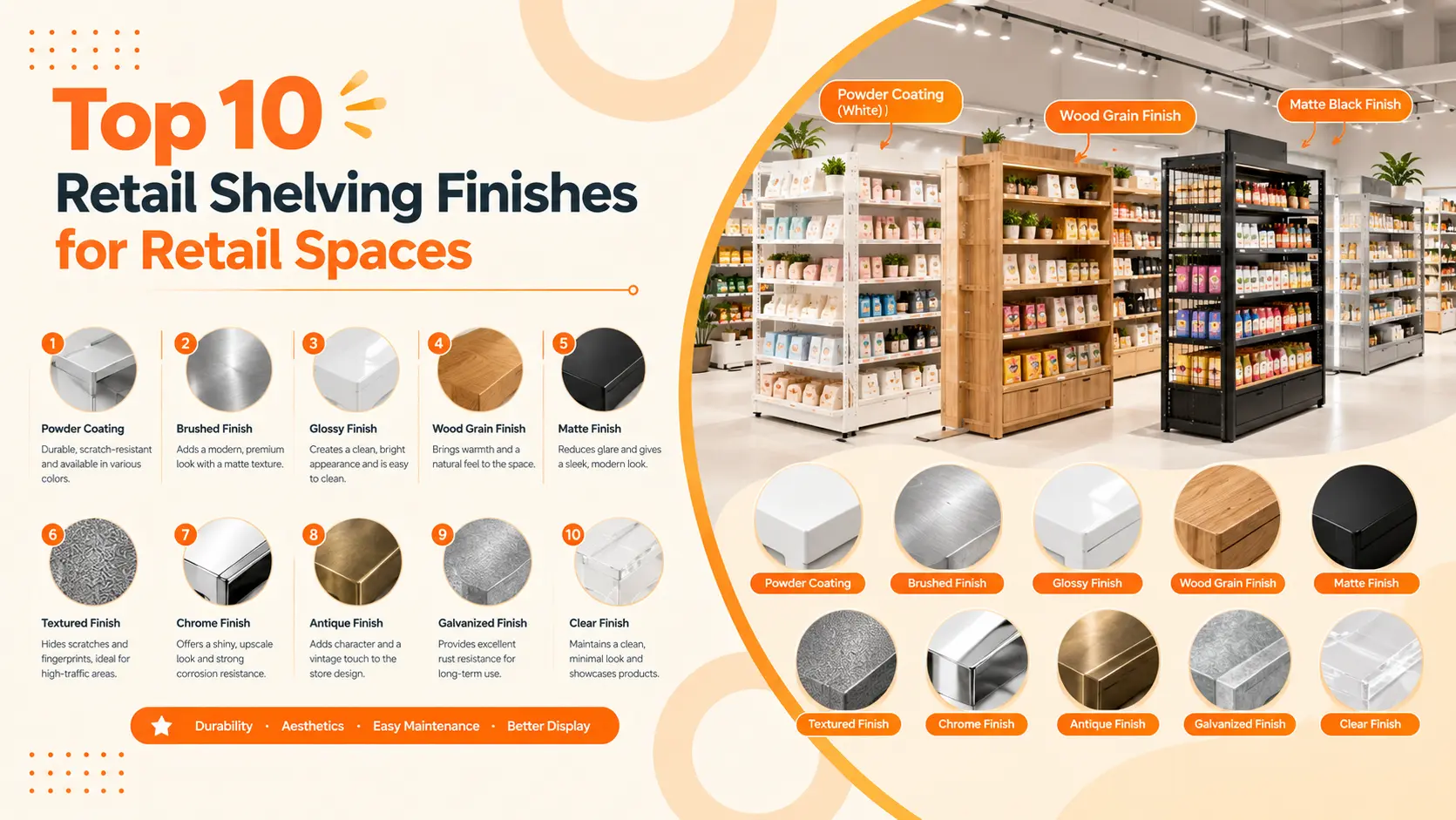
- Powder-coated steel is a practical structural default where shelving needs strength, repeatable components, and a durable finish
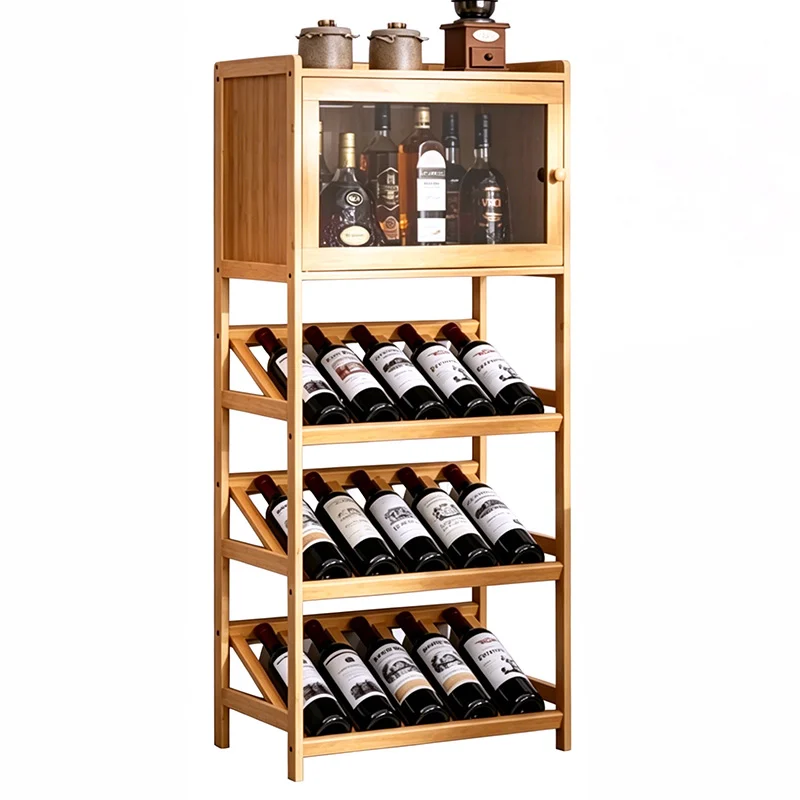
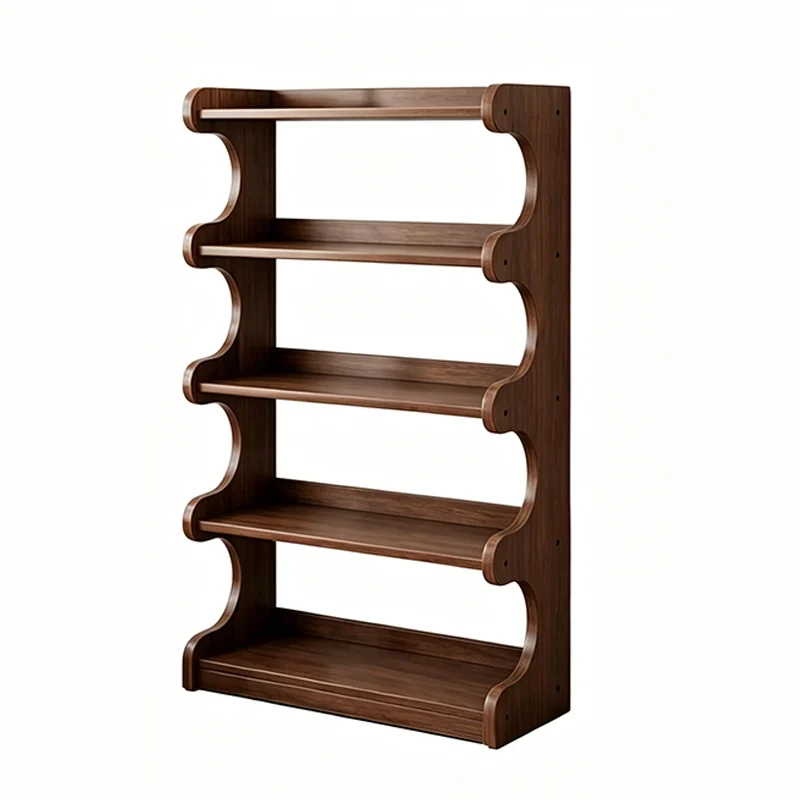
- Wood, plywood, MDF, and melamine-faced board create distinctly different visual and service outcomes
- Glass and acrylic are presentation materials first; specify their safety, support, cleaning, and replacement requirements with the displayed product
- A mixed-material fixture often works best: use a load-bearing frame, then select panels, shelves, trims, and graphics for the customer-facing experience
- Approve samples and shop drawings against real SKU dimensions, weights, cleaning products, and installation conditions before production

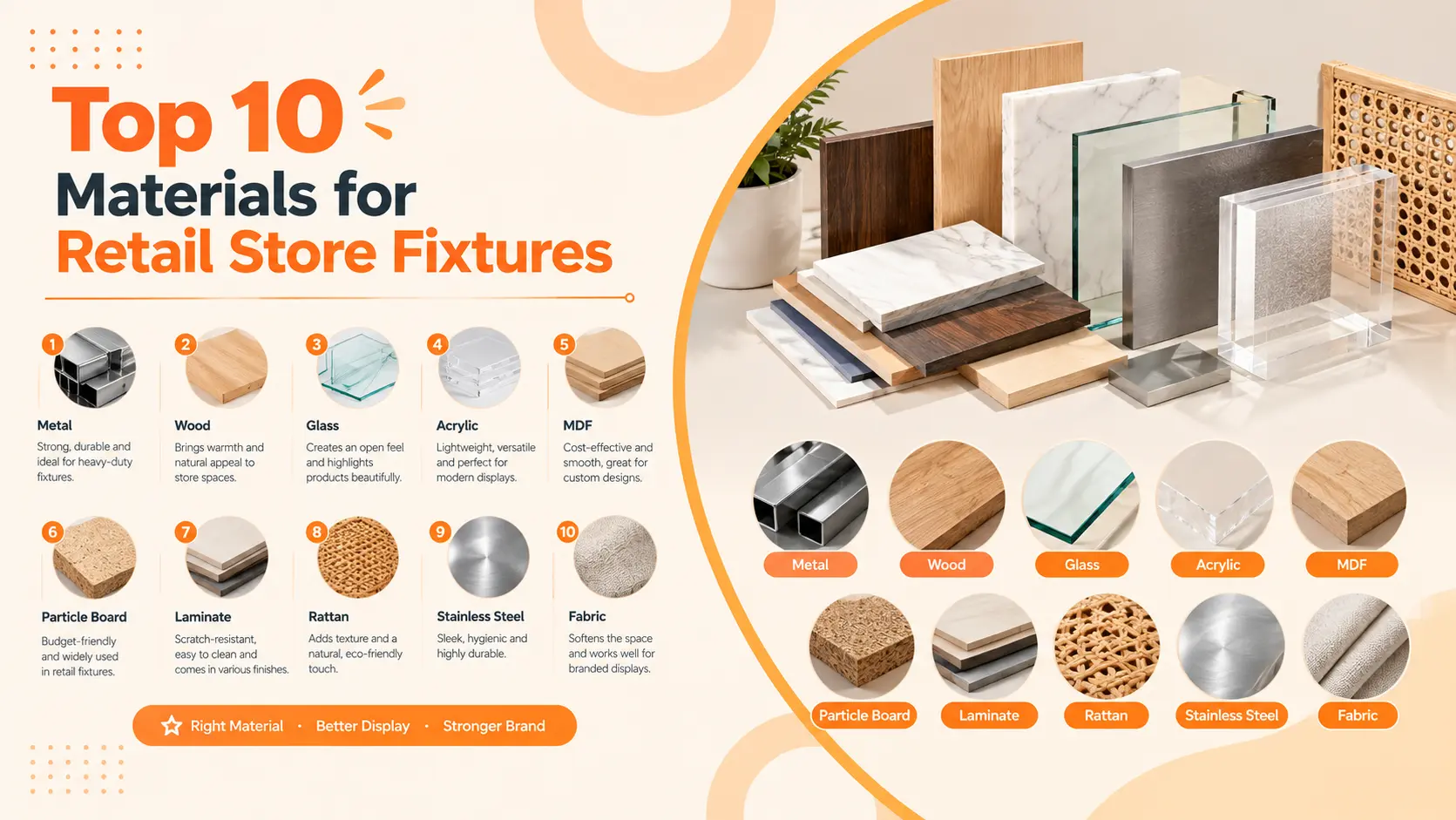
Quick comparison: retail fixture materials
| Materiał | Najlepsze dopasowanie | Co robi dobrze | Buyer check before specification | Główny kompromis |
| Stal proszkowana | Gondolas, racks, warehouse-style retail | Structural frames and adjustable systems | Steel gauge, coating system, shelf load, component compatibility | More industrial visual language without added panels or trims |
| Ze stali nierdzewnej | Food, wet, high-cleaning areas | Corrosion-resistant appearance and cleanability | Grade, finish, weld treatment, cleaning regime | Usually a higher material and fabrication cost |
| Aluminium | Lightweight frames and modular displays | Low weight and corrosion resistance | Alloy/profile, connection method, stiffness, finish | May need a different structural approach than steel |
| Solidne drewno | Premium feature fixtures | Natural grain and warm visual character | Species, moisture condition, finish, movement allowance | Variation and maintenance need more control |
| Sklejka | Cabinets, shelving, durable painted/veneered parts | Stable sheet construction and edge strength | Core quality, veneer/finish, edge treatment, emissions requirements | Exposed edges need an intentional detail |
| MDF | Painted display panels and shaped details | Smooth painted surfaces and machining | Density, finish system, moisture exposure, edge sealing | Poor fit for unprotected wet or high-impact locations |
| Płyta melaminowana | Budget-conscious cabinets and back-of-house storage | Consistent, easy-clean decorative surface | Board core, edge banding, hardware fixings, moisture exposure | Chips and damaged edges are conspicuous |
| Szkło hartowane | Enclosed display and visual lightness | Visibility and a clean premium look | Safety glass specification, edge finish, support, door hardware | Fingerprints, breakage planning, and weight handling |
| Akryl | Signage, risers, product stands, protective screens | Clear or colored lightweight presentation | Thickness, flame/chemical requirements, scratch resistance | Scratches and static can affect appearance |
| Siatka druciana | Baskets, grid displays, industrial accents | Ventilation, visibility, and product containment | Wire diameter, mesh opening, welds, finish, product escape risk | Not suitable for every pack size or premium presentation |
Use the table to narrow the options, then let the actual fixture design settle the details. Material thicknesses, grades, load limits, anchoring, accessibility, fire safety, and local requirements all depend on the site and the finished fixture.
How we selected these materials
This list includes materials used in freestanding shelving, wall systems, counters, display cases, product risers, and promotional fixtures. Each one solves a different practical problem: structure, cleanability, lower weight, a decorative surface, transparency, containment, or an economical cabinet panel.
We left out paint colors, printed graphics, and specialist materials that only make sense with a project-specific technical case. We also did not rank the options by price, durability, sustainability, capacity, lead time, or code compliance. Those answers change with the specification, supplier, destination market, and site conditions.
1. Powder-coated steel: best structural material for gondolas and retail shelving
Powder-coated steel is usually the sensible starting point for an adjustable retail system.
- Use it for gondolas, end caps, stockroom shelving, hardware displays, and wall bays
- It gives you rigid frames, repeatable parts, shelves, brackets, and compatible accessories
- Put the steel thickness, coating system, color, sheen, texture, weld quality, and component compatibility in the specification
- Before approval, check the shelf-load design, bases, brackets, exposed edges, and corrosion protection against the actual environment
- Expect an industrial look unless the design adds panels, trims, or graphics
For related planning inputs, see DAHO’s przewodnik po systemie regałów gondolowych.
2. Stainless steel: best for wet, food-service, and frequent-cleaning zones
Stainless steel makes sense in areas that get wet or are cleaned often.
- Use it for food-service counters, bakery support areas, wet-market fixtures, and pharmacy worktops
- It holds up visually where a clean metal surface and corrosion resistance matter
- State the exact grade, sheet or tube finish, visible weld treatment, joints, and drainage details where relevant
- Check that the proposed grade and finish suit the cleaning products and exposure conditions on site
- Budget for more material and fabrication cost than standard coated steel
3. Aluminum: best for lightweight frames and modular displays
Aluminum earns its place where low weight and modular profiles matter.
- Use it for modular frames, graphics systems, lightweight stands, and glazed-case frames
- It reduces weight and resists corrosion, while the profile system can keep the fixture easy to reconfigure
- Name the alloy or profile system, connections, panel interfaces, adjustment points, and anodized or coated finish
- Check the finished assembly for stiffness, spans, product load, and corner details; a slim profile can look stronger than it is
- Do not assume it can replace steel in a fixture that needs a different structural approach
4. Solid wood: best for a premium, tactile focal point
Solid wood works when the design needs warmth and natural variation rather than a perfectly uniform finish.
- Use it for premium counters, feature tables, brand walls, and boutique displays
- The grain, tone, and feel give the fixture a character that board products and metal do not quite match
- Specify the species, grain selection, joinery, stain or sealant, and every interface with metal or glass
- Approve a labelled finish sample, then agree how the project will handle variation, movement gaps, and future repair
- Allow for more control over moisture, temperature changes, and visual consistency across a rollout
5. Plywood: best all-round wood panel for durable cabinetry and shelving
Plywood is a useful all-round panel for cabinetry, shelving, plinths, and veneered fixtures.
- Use it for cabinet bodies, shelves, plinths, painted or veneered panels, and fixtures with exposed edges
- Its layered build can handle screw fixing and gives you more options at the edge than many board products
- Call out core quality, face veneer, adhesive system, thickness, void control, edge treatment, and finish
- Review a physical sample with both exposed and concealed edges, especially where the panel meets floors, cleaning routines, or high-impact areas
- Do not buy an unspecified plywood panel; quality can change the look and service life dramatically
6. MDF: best for smooth painted details and shaped display faces
MDF is a reliable substrate when the design calls for a smooth painted surface or routed detail.
- Use it for painted counter fronts, routed details, display faces, and components that need a seamless finish
- It machines cleanly and takes paint without visible grain
- Specify the board type, paint system, edge sealing, cut-outs, drilled edges, and any genuinely required moisture-resistant grade
- Map every area exposed to water, repeated impact, or hardware loading before approving the construction
- Protect the edges carefully; wet or high-impact conditions can shorten its service life
7. Melamine-faced board: best for economical, consistent cabinet interiors
Melamine-faced board is a practical choice for cabinetry that needs a consistent factory finish.
- Use it for cabinet interiors, back-of-house storage, checkout cabinetry, and simple retail furniture
- It provides a controlled decorative surface that is easy to clean and often works well for economical production
- List the decorative board reference, core type, edge-banding material and thickness, corner protection, and hardware fixings
- Look at the board under the store lighting, then inspect the edge protection at high-touch corners
- Plan carefully around impact points because chips at the face or edge show quickly
8. Tempered glass: best for protected, high-visibility product displays
Tempered glass is useful when the products need to stay visible from every angle.
- Use it for display cases, fragrance cabinets, jewelry counters, and cosmetic fixtures
- It keeps sightlines open and lets the merchandise do most of the visual work
- Specify the safety-glass type, panel size, thickness, edge finish, support points, doors, locks, and replacement plan
- Confirm local safety-glazing requirements, then coordinate the real product layout with supports, clips, locks, and lighting
- Plan for fingerprints, careful handling, and the practicalities of replacing a damaged panel
9. Acrylic: best for risers, signage, and lightweight product presentation
Acrylic is light, clear or colored, and easy to turn into small display parts.
- Use it for risers, shelf talkers, bins, sign holders, protective screens, and countertop displays
- It can be cut, formed, or bonded into neat shapes without the weight of glass
- Set the thickness, color or transparency, edge polish, bending or bonding detail, cleaning method, and required performance documentation
- Test it with actual packaging and labels for glare, static, scratching, and the planned cleaning routine
- Expect scratches and dust over time, particularly if staff use unsuitable cleaners
10. Wire mesh: best for breathable baskets, gridwalls, and industrial merchandising
Wire mesh keeps products contained without hiding them.
- Use it for baskets, gridwall panels, dump bins, hanging accessories, and industrial retail zones
- It gives staff and shoppers a view of the stock from several angles and lets air move through the fixture
- Specify the wire diameter, mesh opening, weld quality, finish, hook compatibility, basket depth, and label position
- Test the smallest SKU and expected unit weight so products do not escape, hooks fit properly, and customer-facing details stay safe
- Skip it where the package size or store finish calls for a more polished presentation
How to choose the right fixture material for your store
Break the fixture into jobs. The structure carries weight and resists impact. The display surface presents the product. The finish sets the customer-facing look. Hardware allows adjustment, doors, locks, and replenishment. A single material rarely does all of that well.
- Define the store zone and SKU. Record product dimensions, unit and case weights, number of facings, product handling, staff replenishment, and expected cleaning.
- Choose the structural system first. Decide whether the fixture needs steel, aluminum, a cabinet frame, wall fixing, or another engineered support approach.
- Select customer-facing materials second. Choose wood, laminate, glass, acrylic, mesh, or a combination based on brand character, visibility, touch, and maintenance.
- Przeanalizuj środowisko. Identify water, humidity, cleaning chemicals, UV exposure, sharp impacts, food contact, public access, and any project-specific safety or fire requirements.
- Approve samples and drawings. Compare physical finish samples in the intended lighting, then sign off a shop drawing that shows materials, edges, joints, hardware, and installation interfaces.
Porada profesjonalisty: Do not approve a “wood-look” or “metal-look” finish from a screen image. Ask for a labelled physical sample that you can compare with the floor, lighting, graphics, and merchandise.
For a fixture project with mixed materials, a custom retail fixture drawing is the right place to resolve those interfaces before production begins.
A retail-fixture material checklist for samples and quotations
Include these details in every request for quotation:
- Fixture location, floor plan, and intended use
- Real SKU dimensions, weights, quantity, and replenishment method
- Material name plus specific grade, board type, profile, or finish reference where known
- Thicknesses, edge details, visible weld requirements, and hardware expectations
- Color, gloss level, grain direction, transparency, and sample approval process
- Cleaning products, moisture exposure, and target-market safety or compliance requirements
- Required shop drawings, prototype or pre-production sample, packing, and installation constraints
Conclusion: give each material a clear job
Choose materials by what they need to do in the finished store. Steel and aluminum suit structure, connections, and adjustable parts. Wood, plywood, MDF, and melamine-faced board work well for cabinet construction and panel finishes. Glass, acrylic, and wire mesh solve display, containment, and visibility problems.
At Wyświetlacz DAHO, the work can start with a material schedule, floor plan, product list, and finish references. An approved shop drawing then gives the design, procurement, and production teams the same instructions.
If you are planning a new store, refresh, or multi-location rollout, send DAHO your floor plan, product list, target market, and finish references. We can help translate them into a manufacturable material palette and custom fixture drawing. Start your custom retail fixture project.
PYTANIA I ODPOWIEDZI
What is the most durable material for retail store fixtures?
There is no single answer without defining the job. Powder-coated steel is often a strong structural choice for adjustable retail shelving, while stainless steel may suit wet or frequently cleaned areas. Durability also depends on the coating, joints, load, cleaning, installation, and how customers use the fixture.
Is MDF or plywood better for retail displays?
MDF is often chosen for smooth painted faces and routed details. Plywood can be a better fit where exposed edges, screw holding, or a wood-veneer appearance matter. The better choice depends on the finish, exposure to moisture, hardware, and the fixture’s expected service conditions.
Can glass be used safely in a retail display fixture?
Glass can be used safely when the fixture is engineered and specified for its location, including the correct safety-glazing requirements, panel support, edges, doors, locks, and product load. Confirm the applicable local requirements with the project’s design and code team before ordering.
Should a retail fixture use one material or mixed materials?
Mixed materials are often the practical choice. A powder-coated steel frame can provide structure, while wood, laminate, glass, acrylic, or mesh provides the shopper-facing finish and display function. The important step is defining how those materials join and are maintained.

Ivy jest specjalistką ds. regałów w firmie DAHO, chińskim producencie regałów do supermarketów. Dzieli się praktyczną wiedzą na temat projektowania regałów sklepowych, produkcji z metalu i drewna oraz systemów ekspozycji sklepowych. Pomaga globalnym sprzedawcom detalicznym i hurtowym zrozumieć konstrukcje regałów i dobrać odpowiednie rozwiązania fabryczne.